Kumar Bahukhandi
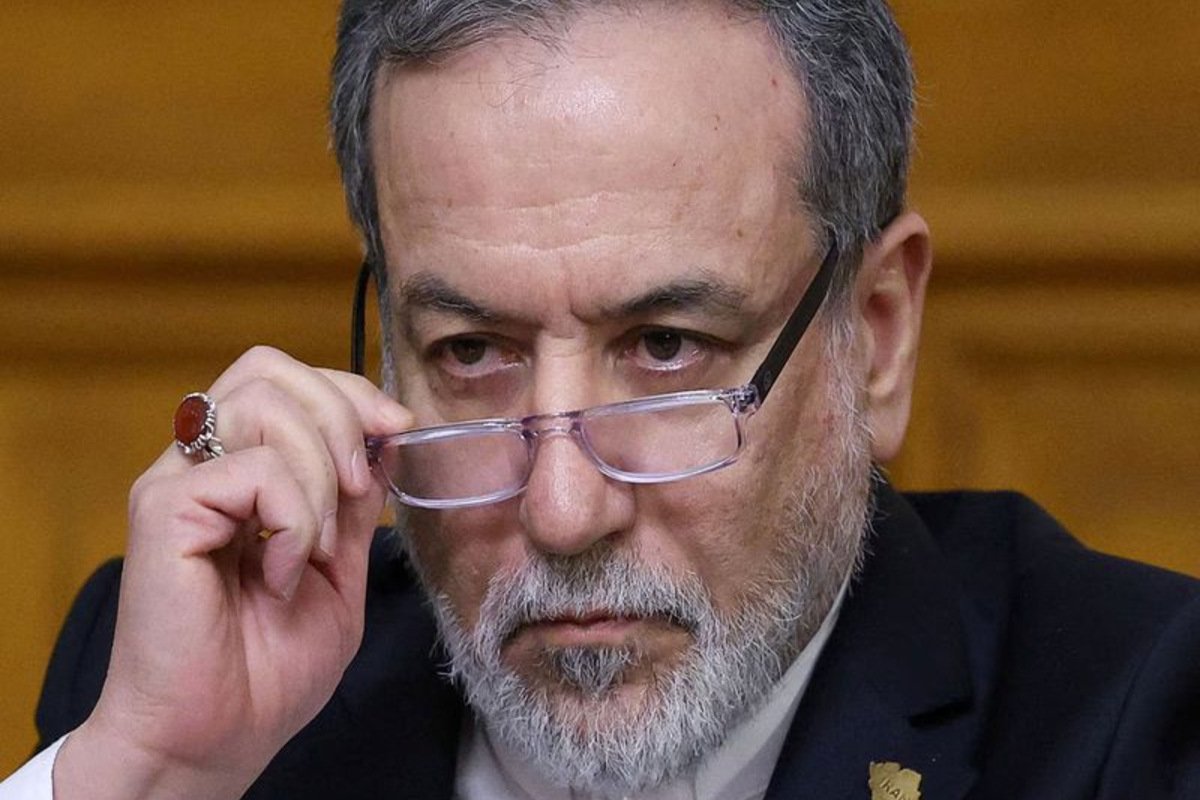
Iranian Foreign Minister Abbas Araghchi. Photo credit: AP.
Tehran wants guarantees against renewed fighting and says its enriched uranium must stay in Iran. Qatar and Pakistan continue to relay proposals between the two sides.
Key Highlights
- Iranian Foreign Minister Abbas Araghchi said Tehran remains open to a US agreement that would prevent another war.
- Iran has proposed reopening the Strait of Hormuz on the second day of a two-day plan, provided Washington fulfils its commitments on the first.
- US President Donald Trump said Iran wanted a deal but that the terms it was offering were unacceptable to him.
Tehran: Iranian Foreign Minister Abbas Araghchi said on Friday, 20 November, that Tehran was prepared to pursue a deal with Washington if it offered credible guarantees against renewed fighting. Araghchi said messages were still passing between the two governments through intermediaries. In Washington, President Donald Trump said Iran wanted an agreement, but he could not accept the terms on offer.
Speaking to the state-owned Iran newspaper, Araghchi said Tehran wanted “an agreement that would ensure there was no further war”. He said Iran had discussed confidence-building measures with mediators and wanted Washington to demonstrate that it was serious about negotiations before the process went further
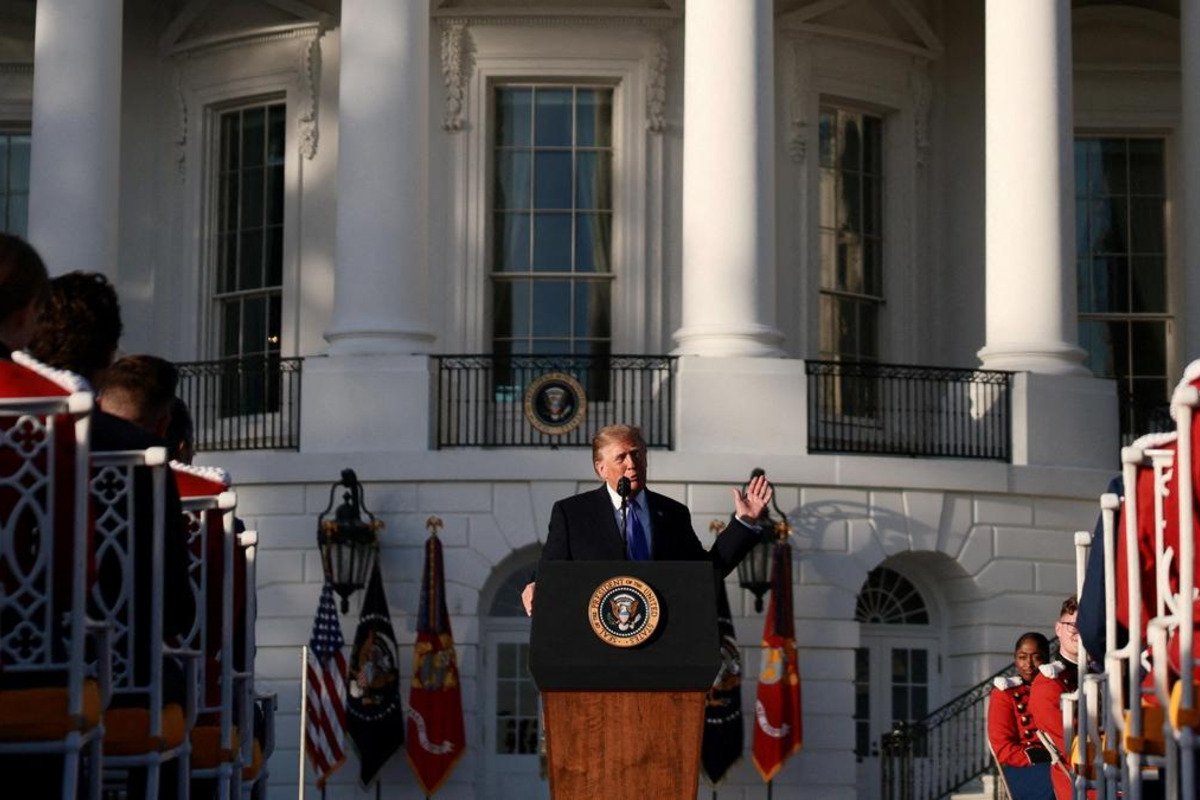
Trump gave his assessment at a White House press conference. “They want to make a deal, but they don’t want to make a deal that’s acceptable to me,” he said. His remarks left open which of Iran’s conditions Washington might be prepared to negotiate.
Tehran draws a line on enriched uranium
Araghchi said Iran’s stockpile of uranium enriched to 60 per cent would remain inside the country. He said there was scope for a mutually acceptable formula as part of a broader settlement, while ruling out transferring the material abroad. He added that Iran’s official nuclear doctrine remained unchanged.
That position leaves a substantive question for any nuclear negotiations. If the material stays in Iran, the two sides would still have to agree on how it would be handled and how any restrictions would be verified. Araghchi gave no public details of a formula that Washington had accepted. In Tehran, any proposed agreement would be reviewed by the negotiations committee of the Supreme National Security Council before going to the council for final approval, he said.
Hormuz proposal hinges on who moves first
Araghchi said Tehran had shortened an earlier seven-day proposal for reopening the Strait of Hormuz to two days. Under the revised sequence, Washington would fulfil its commitments on the first day. Iran would reopen the waterway on the second day, allowing negotiations on a wider settlement to begin. Araghchi said Tehran was willing to shorten the timetable further if its conditions were met. Those conditions include lifting newly imposed sanctions, he said.
The proposal puts the order of implementation at the centre of the dispute. Tehran is asking for action from Washington before restoring passage through the strait. Trump’s public response offered no indication that the United States had accepted that sequence. The two-day timetable remains an Iranian proposal, with no jointly announced date for reopening.
Araghchi also said the earlier Islamabad memorandum was “no longer on the table”. He blamed Washington for violating a provision of the understanding and said Tehran had carried US commitments from that memorandum into its subsequent Hormuz proposal.
Qatar and Pakistan keep diplomatic channels open
Araghchi identified Qatar and Pakistan as the intermediaries carrying messages and proposals between Tehran and Washington. Qatari and Iranian officials met earlier in the week, and a spokesman for Qatar’s foreign ministry said the discussions sought to narrow differences between the proposals under consideration. The exchanges give the two governments a way to test revised terms while they remain apart on the substance of a deal.
The diplomatic effort follows months of conflict that began on 28 February, when the United States and Israel attacked Iran. Tehran responded with strikes on Israel and Gulf states hosting US military bases. The war disrupted shipping and pushed up global energy prices, giving governments and businesses far beyond the region a stake in restoring reliable passage through the Gulf.
US Energy Information Administration data published on 19 November showed that oil shipments through Hormuz had recovered in the third quarter from the severe constraints of the second. The agency estimated that flows through the strait rose from about 5.1 million barrels a day to 9.1 million, still well below the roughly 21.6 million barrels a day recorded in the final quarter of 2025. That gap shows the scale of the disruption even after some traffic resumed.
For the mediators, the immediate task is to find a first step both governments will carry out. Tehran wants tangible US commitments before it reopens Hormuz and assurances that a wider agreement will hold. Trump has said the terms before him are unacceptable. With the uranium question also unresolved, those differences leave both the reopening plan and a lasting settlement in negotiatio