Kumar Bahukhandi
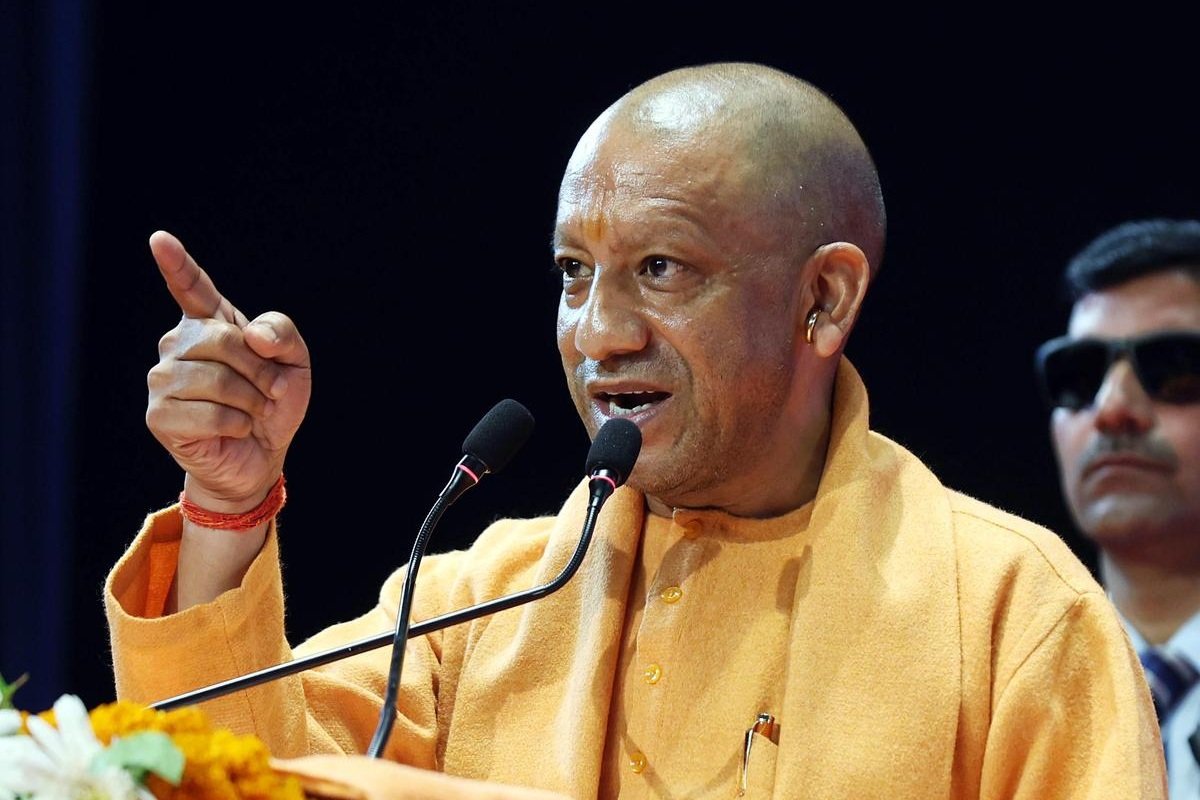
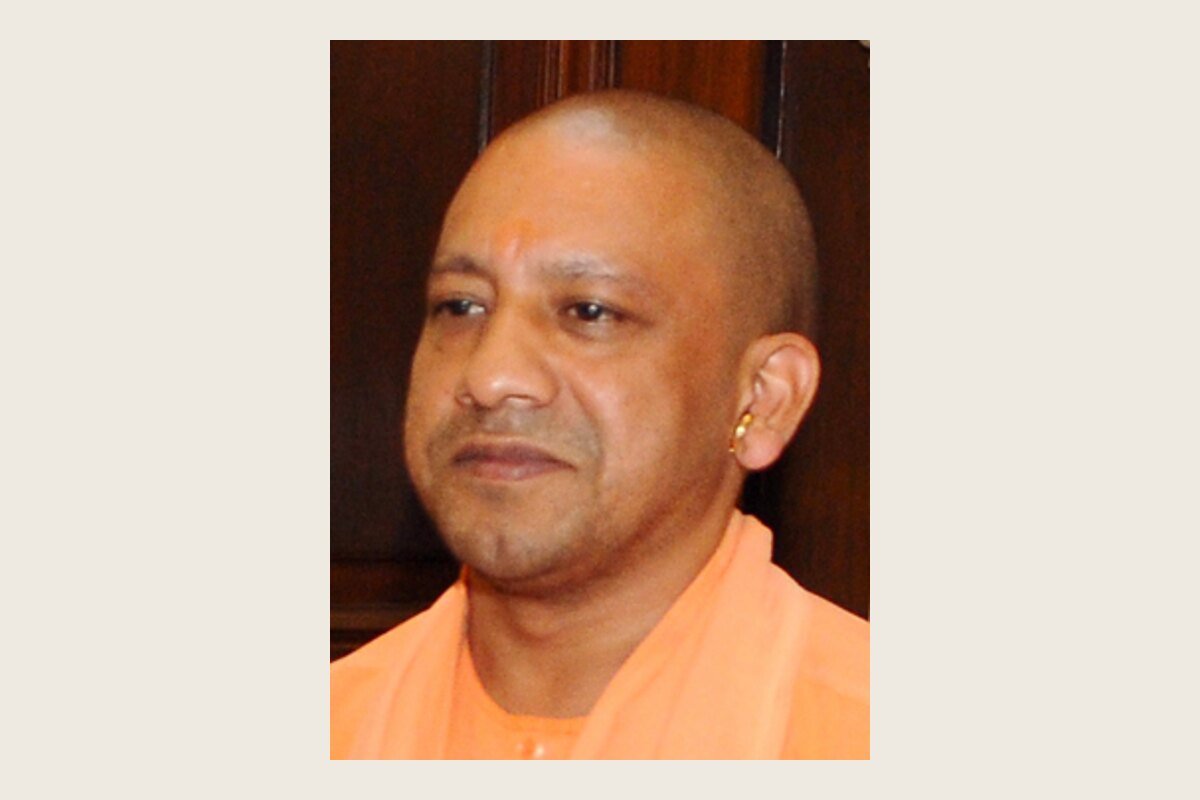
Uttar Pradesh Chief Minister Yogi Adityanath gestures while speaking at a lectern in this file photo. At an event in Varanasi on 28 November 2026, he claimed strong support for the BJP-led NDA and challenged the Samajwadi Party to explain how it would deliver on its promises to young jobseekers. Photo: ANI
As the Samajwadi Party and Congress remain at odds over seat-sharing for the 2027 Assembly elections, the Chief Minister questions how the SP would fund 25 lakh government jobs and a ₹5,000 monthly allowance for unemployed graduates
Key Highlights
- Yogi Adityanath claimed more than 80 per cent of people in Uttar Pradesh support the BJP-led NDA. He cited no opinion poll to support the figure.
- The Chief Minister accused the Samajwadi Party and Congress of trying to outdo one another as their seat-sharing talks remained unresolved.
- The SP has promised 25 lakh government jobs and a ₹5,000 monthly allowance for unemployed graduates until they find work.
- Yogi Adityanath claimed his government had provided more than twice as many jobs in nine and a half years as the SP and BSP had during their combined tenures.
- Asked about younger voters, he urged them to compare successive governments’ records on jobs, education, healthcare and public safety.
Varanasi: The promise of a government job and the uncertainty of waiting for one became a flashpoint in Uttar Pradesh’s election debate on Saturday, as Chief Minister Yogi Adityanath challenged the Samajwadi Party to explain how it would pay for its employment pledges. Speaking at an NDTV event in Varanasi on 28 November 2026, he also claimed that more than 80 per cent of people in the state backed the BJP-led National Democratic Alliance ahead of the 2027 Assembly elections.
SP and Congress remain at odds over seats
Yogi Adityanath described the seat-sharing talks between the Samajwadi Party and Congress as “a game of chess, a game of one-upmanship”. He alleged that the two INDIA bloc allies were preoccupied with which party could claim the bigger role in the alliance.
Congress was reportedly offered 26 seats and sought 105 more than that offer. SP chief Akhilesh Yadav said Congress had initially asked to contest 181 of the state’s 403 Assembly constituencies. The figures referred to different stages of negotiations, and the talks remained inconclusive.
Yogi Adityanath pointed to the SP’s decision to announce candidates while negotiations were under way. He portrayed the move as a sign of unease within the alliance and predicted that some of the announced candidates would eventually be replaced.
Jobs and the cost of the SP’s promises
The SP’s manifesto offers unemployed graduates ₹5,000 a month until they secure a job and promises 25 lakh government jobs. The allowance speaks to the immediate strain of looking for work, while the recruitment pledge raises a longer-term question about how many posts the state can create and fill. Yogi Adityanath challenged Akhilesh Yadav to explain how the SP would deliver both.
The Chief Minister recalled that the SP had also promised an unemployment allowance in 2012. He asked the party to account for how many people received assistance or found employment during its previous term. He also questioned its record on women’s safety.
Yogi Adityanath put the previous SP government’s annual budget at ₹3 lakh crore and estimated the cost of its current manifesto promises at ₹4 lakh crore. He asked where the party intended to find the money. Both figures were part of the Chief Minister’s argument against the manifesto.
Setting out the BJP’s approach, Yogi Adityanath said his government would focus on employment and help young people start businesses. “We want them to be job creators, not job seekers,” he said.
Yogi Adityanath cites recruitment and small businesses
Yogi Adityanath said the SP and the Bahujan Samaj Party had formed governments seven times between them. He claimed his administration had provided more than twice as many jobs in nine and a half years as the two parties had during their combined tenures. He pointed to appointment letters his government had handed to young recruits and cited employment generated by businesses.
The Chief Minister said Uttar Pradesh had 96 lakh micro, small and medium enterprises employing 3.15 crore people. He also cited 36 sectoral policies and pointed to defence manufacturing, including Kalashnikov rifles and BrahMos missiles, while arguing that the state’s industrial and security record had improved under his government.
An appeal to younger voters
Asked whether Gen Z and Gen Alpha could relate to criticism of governments they were too young to remember, Yogi Adityanath turned to the experiences of older family members. He said younger people could listen to what their families remembered and compare successive governments’ records on employment, education, healthcare and law and order.
He was also asked whether youth protests in the national capital could influence the Uttar Pradesh election. Yogi Adityanath dismissed the possibility, asserting that the state had seen no comparable youth, student or farmer agitation under his government. He argued that dissatisfaction with his policies would have brought people onto the streets.
The ‘80–20’ claim
Responding to a question about the 80–20 formulation and the batenge toh katenge slogan, Yogi Adityanath framed the election around development, security and respect for cultural heritage. He argued that people who shared those priorities would rally behind the BJP-led NDA and said the rest were free to back the SP, BSP, Congress or other opposition leaders