Kumar Bahukhandi
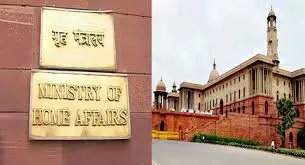
Amid growing concerns over rising instances of radicalisation in prisons, the Ministry of Home Affairs (MHA) has issued a comprehensive set of guidelines (Image credit: Social media)
MHA highlighted the urgent need for proactive measures to prevent vulnerable inmates from adopting extremist ideologies
New Delhi: Amid growing concerns over rising instances of radicalisation in prisons, the Ministry of Home Affairs (MHA) has issued a comprehensive set of guidelines to all states and Union Territories aimed at identifying, monitoring, and rehabilitating radicalised individuals within correctional facilities.
Recognising radicalisation in prisons as a critical and emerging threat to internal security, the MHA highlighted the urgent need for proactive measures to prevent vulnerable inmates from adopting extremist ideologies.
The MHA urged states and UTs to incorporate the guidance in their prison management practices to address radicalisation in a “structured, effective, and proactive manner.”
The Ministry noted that “prisons, due to their isolated and controlled environment, can serve as breeding grounds for extremist beliefs, particularly among inmates experiencing alienation, anti-social tendencies, or susceptibility to violence.”
“Radicalisation in prisons is becoming an increasingly critical challenge in the global context and is often found to be a precursor to several criminal activities. It is therefore crucial to counter radicalisation and undertake de-radicalisation efforts to preserve public order and ensure internal security,” the guidelines stated.
The MHA emphasised that closed environments like prisons, combined with social isolation, group dynamics, and limited oversight, can foster extreme views. Prisoners may be vulnerable to radical narratives due to feelings of alienation or violent tendencies.
“In some cases, radicalised inmates may engage in acts of violence or orchestrate attacks against prison staff, fellow inmates, or external targets. Addressing this issue is vital to reduce violent extremism, support rehabilitation, ensure national security, and promote successful reintegration into society,” the ministry said.
In light of these concerns, the MHA shared the guidelines with all states and UTs, requesting them to apply them in their jurisdictions.
Under “Identification and Risk Assessment,” the MHA advised the development of standardised screening tools to assess behavioural patterns, associations, and ideological indicators of inmates. Regular individual risk assessments should be conducted upon entry and at intervals during incarceration, in coordination with law enforcement and intelligence agencies.
High-risk inmates inclined toward spreading radical ideologies should be segregated from the general prison population to minimise indoctrination risks. States and UTs were encouraged to establish independent High Security Prison Complexes or, where not feasible, dedicated wings or blocks within existing prisons for such inmates.
The guidelines called for enhanced surveillance of these individuals through intelligence mechanisms to detect radical networks and threats. For rehabilitation, the MHA recommended targeted de-radicalisation programmes tailored to individual psychological and ideological needs.
These may include Cognitive Behavioural Therapy, counselling by mental health professionals, religious engagement, vocational training, formal education, and recreational programmes to promote a positive sense of identity and purpose.
The ministry also stressed training prison staff through workshops and simulation exercises to help identify early signs of radicalisation and respond effectively. Clear Standard Operating Procedures (SOPs) should guide the management of radicalised inmates.
Promoting continued contact between inmates and their families was also highlighted as a means of maintaining emotional stability and acting as a moderating influence.
States and UTs were asked to maintain a secure database on radicalised individuals for monitoring, policy-making, and evaluation. The MHA urged research and documentation of radicalisation trends, inmate profiles, and de-radicalisation outcomes to inform future strategies.
The MHA said that prisons play a vital role in India’s criminal justice system and reiterated its commitment to supporting states and UTs in improving prison and correctional administration. As part of this effort, the MHA earlier shared the ‘Model Prison Manual, 2016’ and the ‘Model Prisons and Correctional Services Act, 2023’ with all states and UTs.
These frameworks guide the classification and separation of high-risk prisoners and the establishment of special enclosures like High Security Prisons. The MHA had previously written to states on April 16, 2018, and January 9, 2023, urging segregation, surveillance, and counselling of radicalised inmates.
These new measures are expected to assist states and UTs in building robust institutional mechanisms to counter radicalisation in prisons, with the goal of rehabilitating prisoners and reducing extremist influences within correctional facilities.
(Source-ANI )