Kumar Bahukhandi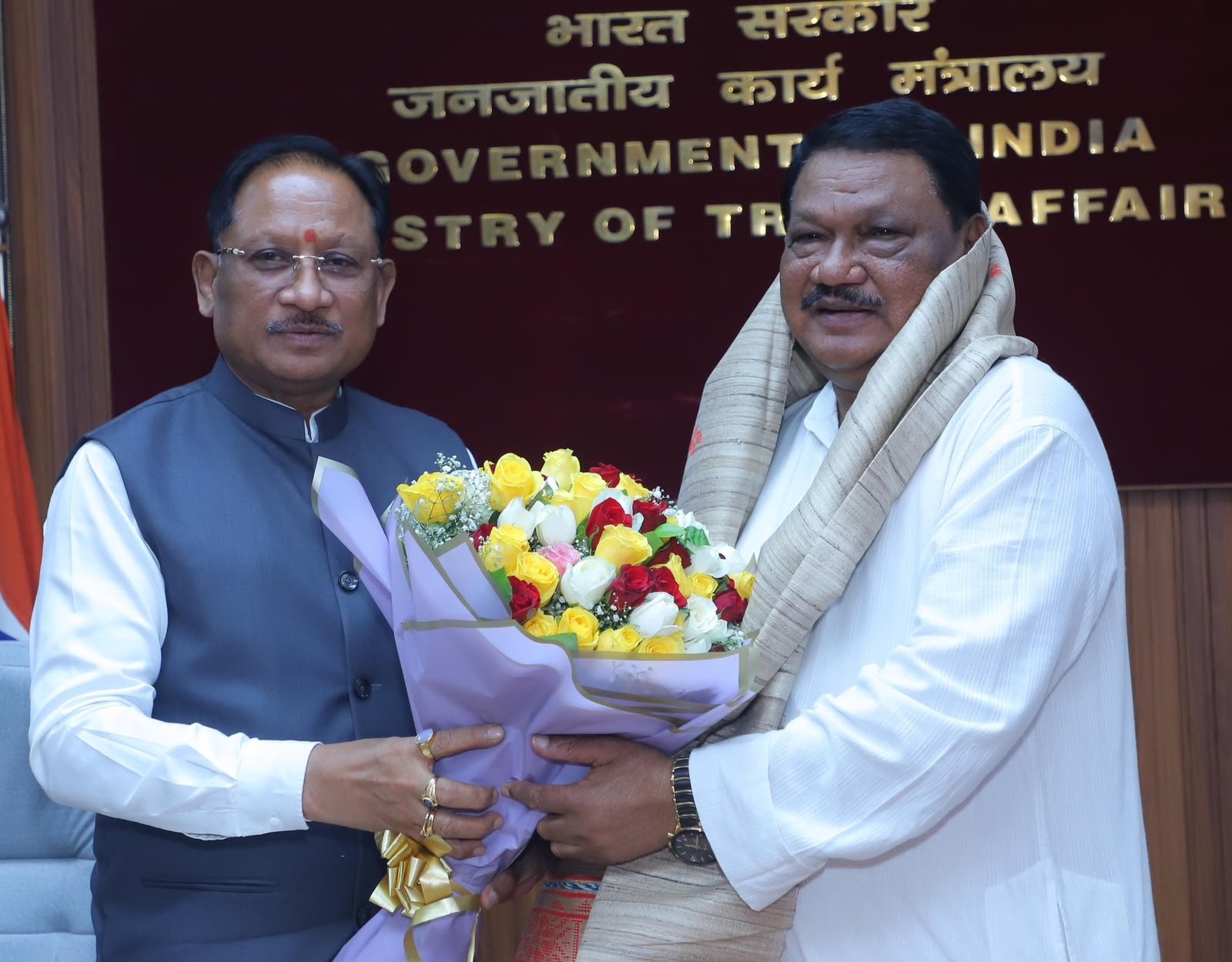
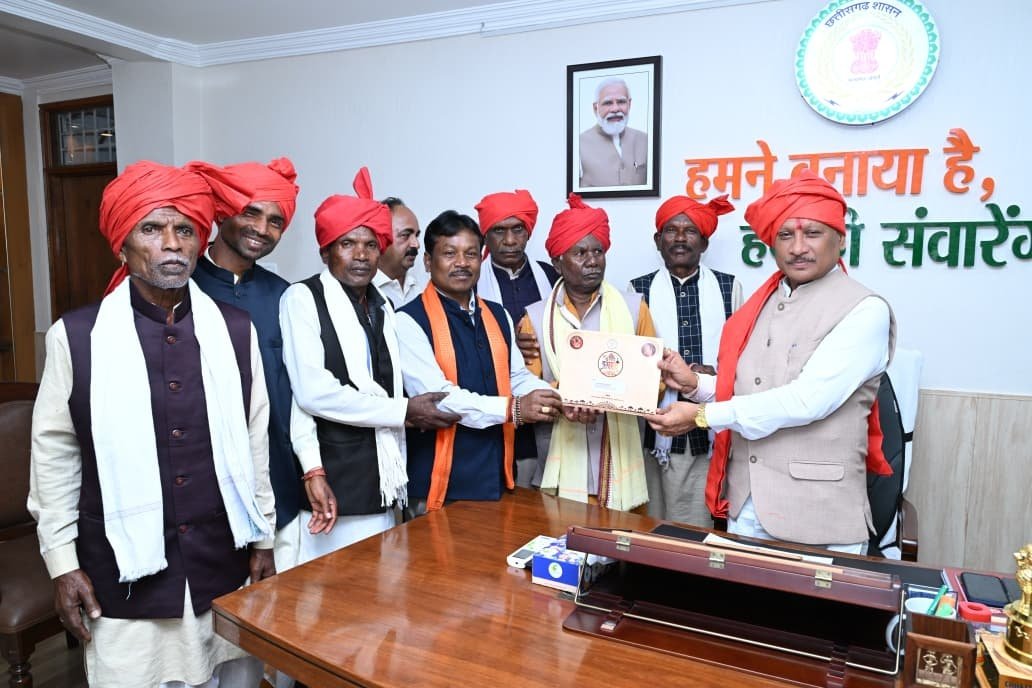
Chief Minister Vishnu Deo Sai meets Union Tribal Affairs Minister Jual Oram in New Delhi on Friday July31, 2026 and seeks ₹435 crore in Central assistance to extend grid electricity to 461 remote and former Maoist-affected villages in Bastar under the Dharti Aaba Gram Utkarsh Yojana-Photo Credit-channel24india.com via CG/PR
Key Factors
- Chhattisgarh seeks ₹435 crore in Central assistance to electrify 461 former Maoist-affected villages in Bastar.
- Chief Minister Vishnu Deo Sai met Union Tribal Affairs Minister Jual Oram in New Delhi.
- Total project cost estimated at ₹973 crore.
- Central assistance sought over three financial years:
- ₹85 crore (2026-27)
- ₹250 crore (2027-28)
- ₹100 crore (2028-29)
- Proposal submitted under the Dharti Aaba Gram Utkarsh Yojana.
- State requests approval under Article 275(1) of the Constitution.
- Union Minister assures speedy approval process and says funding will not be a constraint.
- Electrification expected to strengthen education, healthcare, livelihoods and rural development in Bastar.
Chief Minister Vishnu Deo Sai meets Union Tribal Affairs Minister Jual Oram; Centre assures speedy consideration under Dharti Aaba Gram Utkarsh Yojana
New Delhi/ Raipur: In a significant initiative aimed at accelerating development in Bastar’s remote tribal belt, Chhattisgarh Chief Minister Vishnu Deo Sai on Friday urged the Union Government to provide ₹435 crore in special financial assistance for extending grid electricity to 461 remote and former Maoist-affected villages across the seven districts of Bastar division.
During a meeting with Union Tribal Affairs Minister Jual Oram in New Delhi, Chief Minister Sai submitted a detailed proposal under the Dharti Aaba Gram Utkarsh Yojana, requesting the Centre’s support to implement one of the state’s most ambitious rural electrification projects.
The Chief Minister said reliable electricity is essential for ensuring inclusive development in areas that remained deprived of basic infrastructure for decades due to Left Wing Extremism.
“The villages where development could not reach for years because of Naxal violence must now receive basic facilities like electricity on priority,” Chief Minister Sai said during the meeting.
₹973-Crore Project to Transform Bastar’s Remote Villages
According to the proposal, the total cost of the electrification project is estimated at ₹973 crore.
The state government has sought ₹435 crore from the Centre over three financial years, including ₹85 crore in 2026-27, ₹250 crore in 2027-28, and ₹100 crore in 2028-29, while the remaining expenditure will be borne by the Chhattisgarh Government.
Chief Minister Sai requested that the proposal be approved as a special case under Article 275(1) of the Constitution, enabling faster implementation in the state’s remote tribal regions.
He said electrification would improve the quality of life for thousands of tribal families while strengthening access to education, healthcare, livelihood opportunities and rural entrepreneurship.
“Electricity will bring a transformational change to tribal communities by opening new opportunities in education, healthcare, employment and small-scale industries,” the Chief Minister said.
Centre Assures Full Support
Responding to the proposal, Union Tribal Affairs Minister Jual Oram assured the Chief Minister that the project would receive prompt attention.
He said the Ministry would initiate the approval process immediately after receiving the formal proposal under the Dharti Aaba Gram Utkarsh Yojana.
“There will be no shortage of funds for this important project. The Government of India is fully committed to supporting Bastar’s development,” Oram assured.
The assurance is expected to provide fresh momentum to the state’s efforts to bridge infrastructure gaps in tribal regions that have historically faced developmental challenges.
Development Gains Momentum in Bastar
Chief Minister Sai said Bastar is entering a new phase marked by peace, development and expanding opportunities.
He noted that alongside improvements in roads, healthcare, education and communication infrastructure, universal access to electricity remains a critical pillar of the government’s inclusive development strategy.
“Bastar today is emerging as a symbol of development, trust and new opportunities. Electrifying these 461 villages will be another milestone in that transformation,” the Chief Minister said.
Officials believe that improved power connectivity will also enhance the delivery of government welfare programmes, strengthen digital infrastructure and encourage economic activity in remote tribal settlements.