Kumar Bahukhandi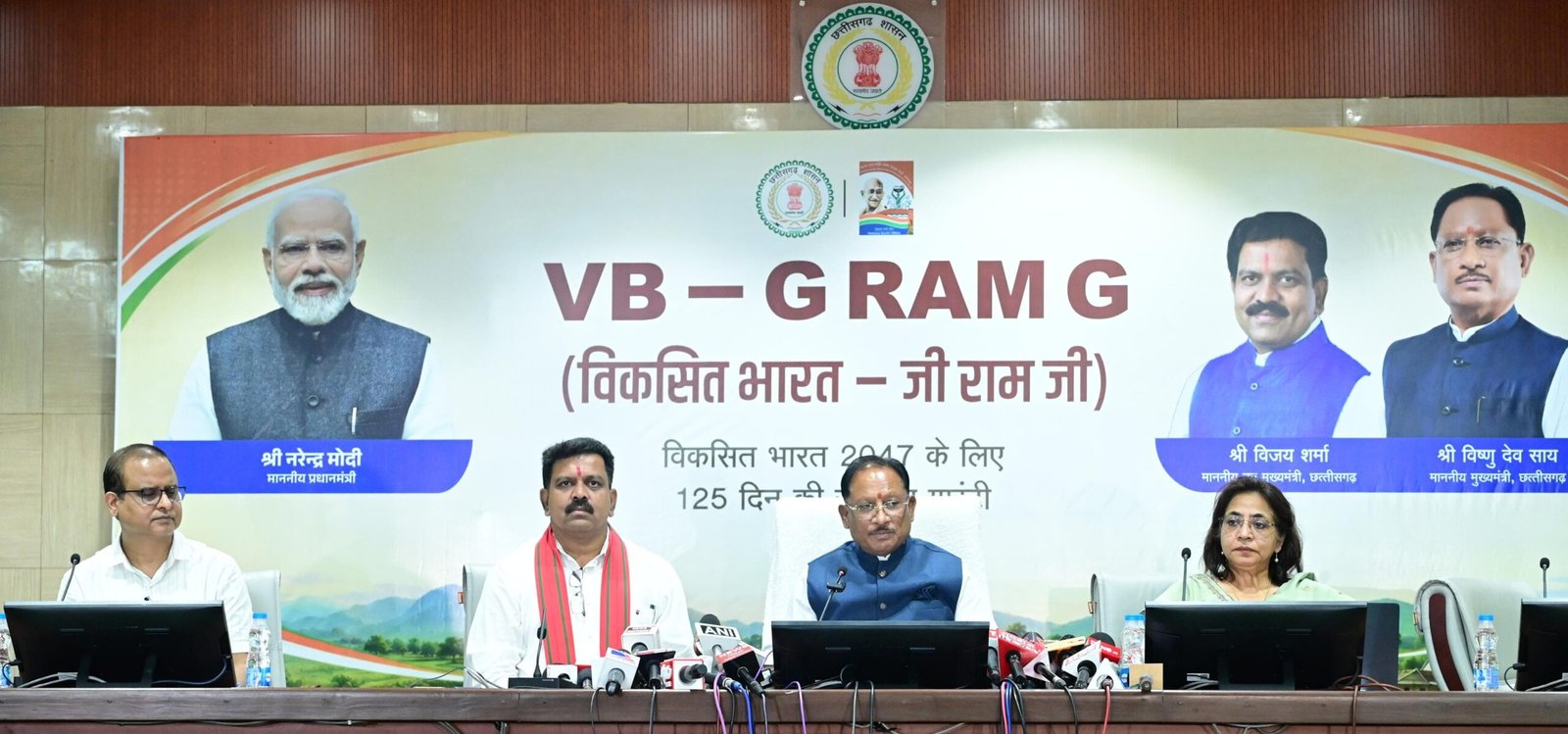
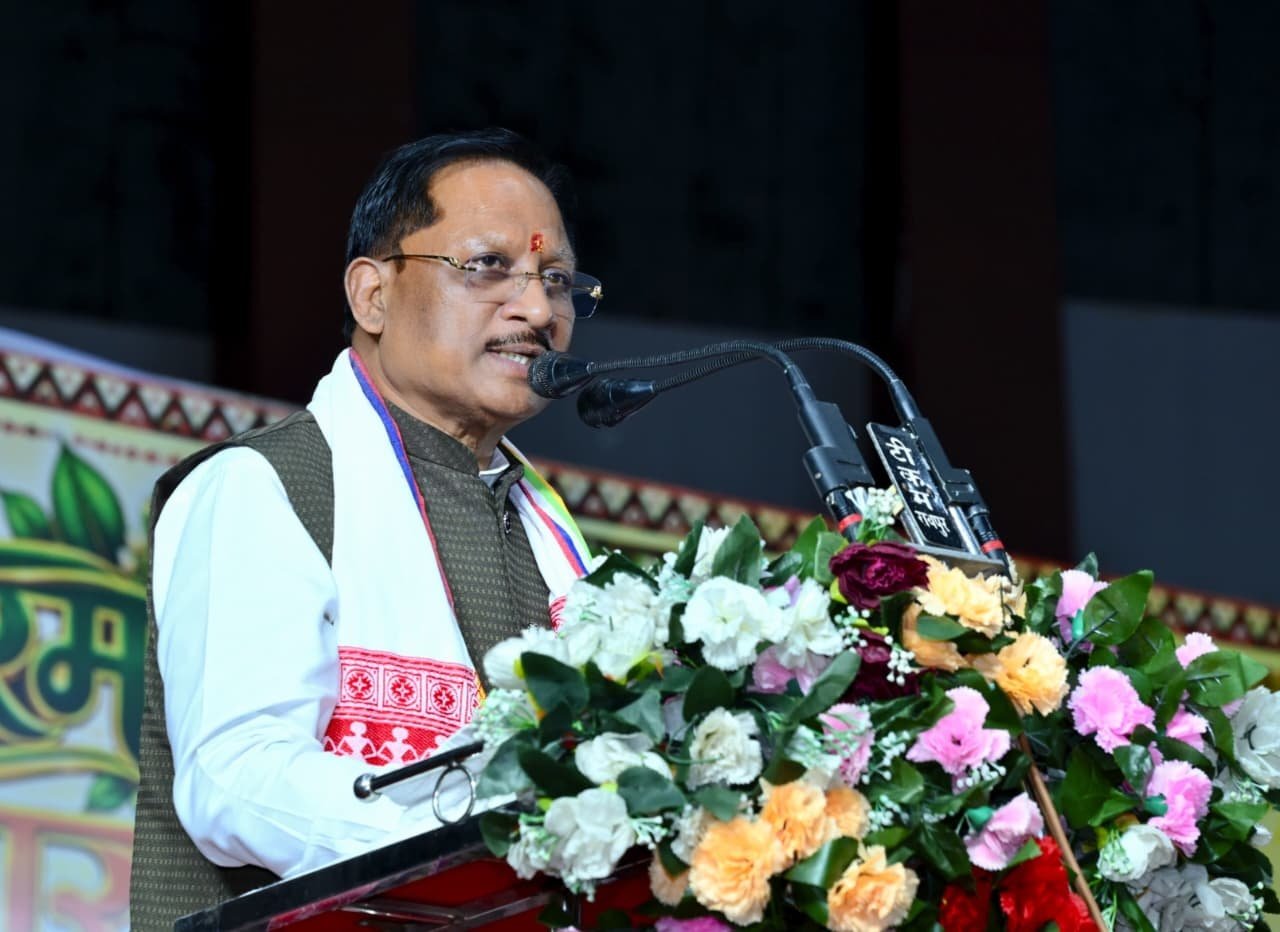
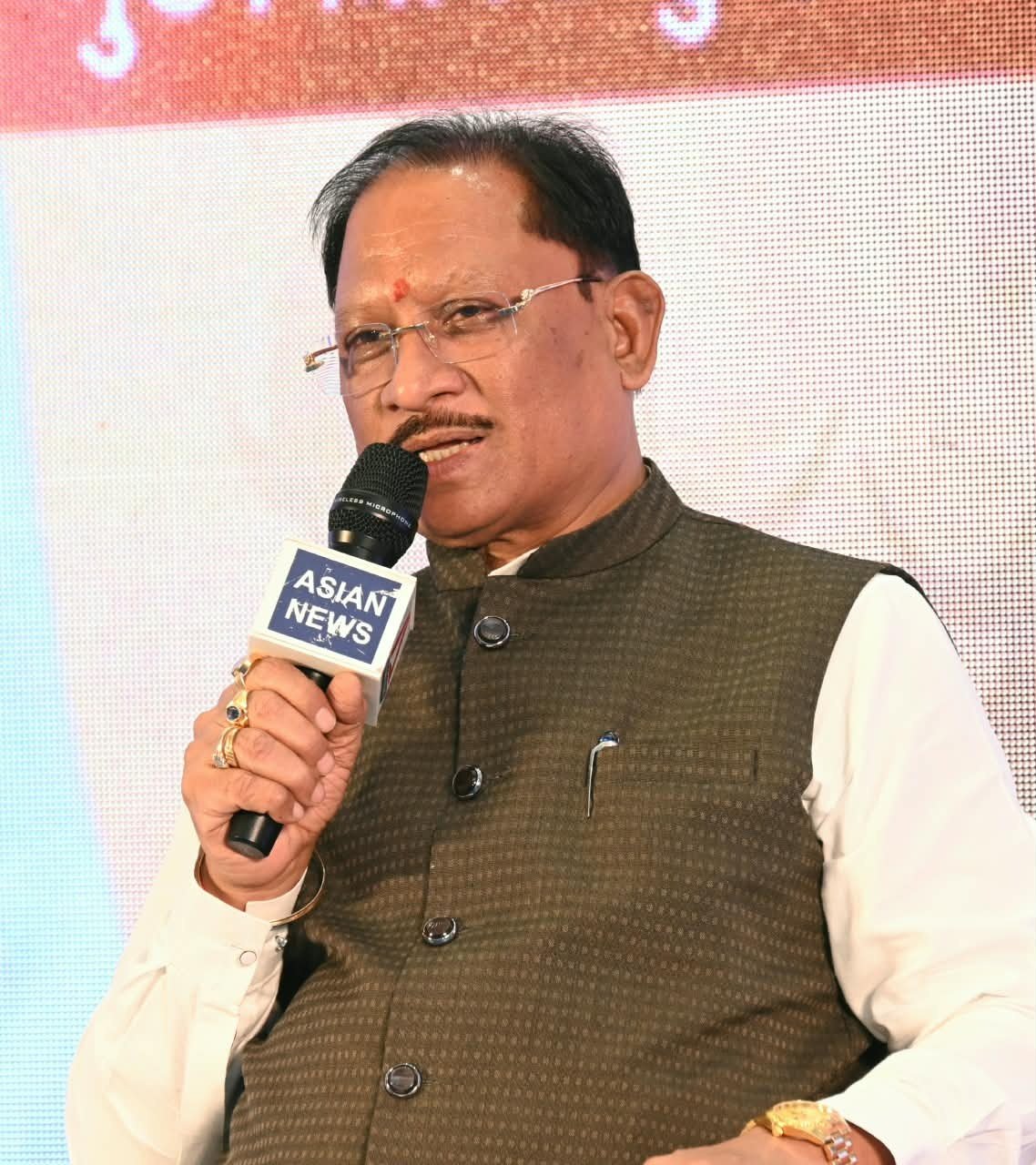
Chief Minister Vishnu Deo Sai launches the statewide ‘Meri Beti–Mera Abhiman’ campaign under the Viksit Bharat–Gramin Rozgar and Aajeevika Guarantee Mission (VB–GRAM G) at Mahanadi Bhawan, Atal Nagar (Nava Raipur), on Thursday, August 6, 2026. Deputy Chief Minister and Panchayat & Rural Development Minister Vijay Sharma, Additional Chief Secretary Richa Sharma and VB–GRAM G Commissioner Taran Prakash Sinha are also seen on the dais-Photo Credit: channel24india.com via CG/PR
Statewide campaign from August 15 to January 26 to provide toilets for girls in rural government schools, develop Muktidhams in every village and accelerate rural employment through the VB–GRAM G Mission
Key Factors
- Meri Beti–Mera Abhiman’ campaign to run from August 15, 2026, to January 26, 2027.
- 6,671 toilets to be built in government schools for girl students.
- 6,524 cremation grounds with waiting shelters to be developed across villages.
- 10,027 defunct borewells to be converted into groundwater recharge pits.
- ₹6,855 crore to be invested through the VB–GRAM G Mission for rural employment and infrastructure.
- All development works to be approved by Gram Sabhas and monitored digitally for transparency.
Raipur: Chhattisgarh Chief Minister Vishnu Deo Sai on Thursday August 6, 2026 launched the statewide ‘Meri Beti–Mera Abhiman’ campaign under the Viksit Bharat–Gramin Rozgar and Aajeevika Guarantee Mission (VB–GRAM G), announcing a series of initiatives aimed at improving rural infrastructure, promoting girls’ dignity and accelerating village development.
Addressing a press conference at Mahanadi Bhawan, the Chief Minister said the special campaign will be conducted from August 15, 2026, to January 26, 2027, during which every village in the state will be provided with a Muktidham (cremation ground) and waiting shelter, while toilets for girls will be constructed in all government schools in rural areas.
“This campaign is not merely about creating infrastructure; it is about ensuring dignity for our daughters, strengthening rural sanitation and building self-reliant villages. Every eligible village must benefit from these initiatives,” Chief Minister Vishnu Deo Sai said.
Focus on Girls’ Education and Rural Dignity
The Chief Minister announced that 6,671 toilets would be constructed in government schools at an estimated cost of ₹286.85 crore, with each unit costing ₹4.30 lakh.
The campaign also includes the construction of 6,524 Muktidhams with waiting shelters across the state at a cost of ₹391.44 crore, along with 549 additional cremation grounds worth ₹18.22 crore.
Sai said these projects would improve sanitation, social dignity and access to essential community infrastructure in rural areas.
Groundwater Recharge Through Defunct Borewells
To strengthen water conservation, the government will convert 10,027 defunct borewells into recharge structures fitted with sand filters at an estimated cost of ₹52.14 crore.
The Chief Minister said the initiative would improve groundwater recharge, enhance rainwater conservation and help address drinking water shortages in rural areas.
₹6,855 Crore for Rural Employment and Development
Describing VB–GRAM G as one of the state’s most significant rural development initiatives, Sai said Chhattisgarh is expected to receive nearly ₹6,855 crore during the current financial year through the scheme and MGNREGA, representing the state’s largest investment in rural employment and infrastructure.
He also informed that the Government of India has already released the first instalment of over ₹1,538 crore for implementation.
“The VB–GRAM G Mission will become a strong vehicle for realising the vision of a Developed India by 2047. It combines employment generation with sustainable rural development and community participation,” the Chief Minister said.
Gram Sabha Approval Mandatory
The Chief Minister emphasised that all development works under the mission would require Gram Sabha approval, ensuring transparency and local participation.
He added that wages under the scheme have been increased to ₹300 per day, while a provision has been made to suspend works for 60 days during the peak agricultural season to ensure adequate labour availability for farming activities.
318 Categories of Development Works
Officials informed the press conference that the mission covers 318 categories of development works, including:
- 107 water conservation projects
- 90 rural infrastructure works
- 86 livelihood enhancement activities
- 35 climate adaptation and disaster management initiatives
The programme will support the construction of roads, culverts, Panchayat buildings, Anganwadi centres, school infrastructure, rural libraries, laboratories, kitchen sheds, solid and liquid waste management systems, veterinary facilities, cold storage units, dairy and fisheries infrastructure.
State Leads in Digital Preparedness
The Chief Minister said Chhattisgarh has achieved significant milestones in preparing for the implementation of the mission.
The state has completed 98 per cent e-KYC of workers, ranking first nationally, while achieving 99 per cent geo-tagging of assets, placing it among the country’s leading states. Chhattisgarh has also emerged as a national leader in preparing GIS-based Gram Panchayat development plans through the Yuktadhara Portal.
Sai said digital monitoring, timely wage payments, quality control and social audits would ensure transparent and time-bound implementation of all projects.