Kumar Bahukhandi
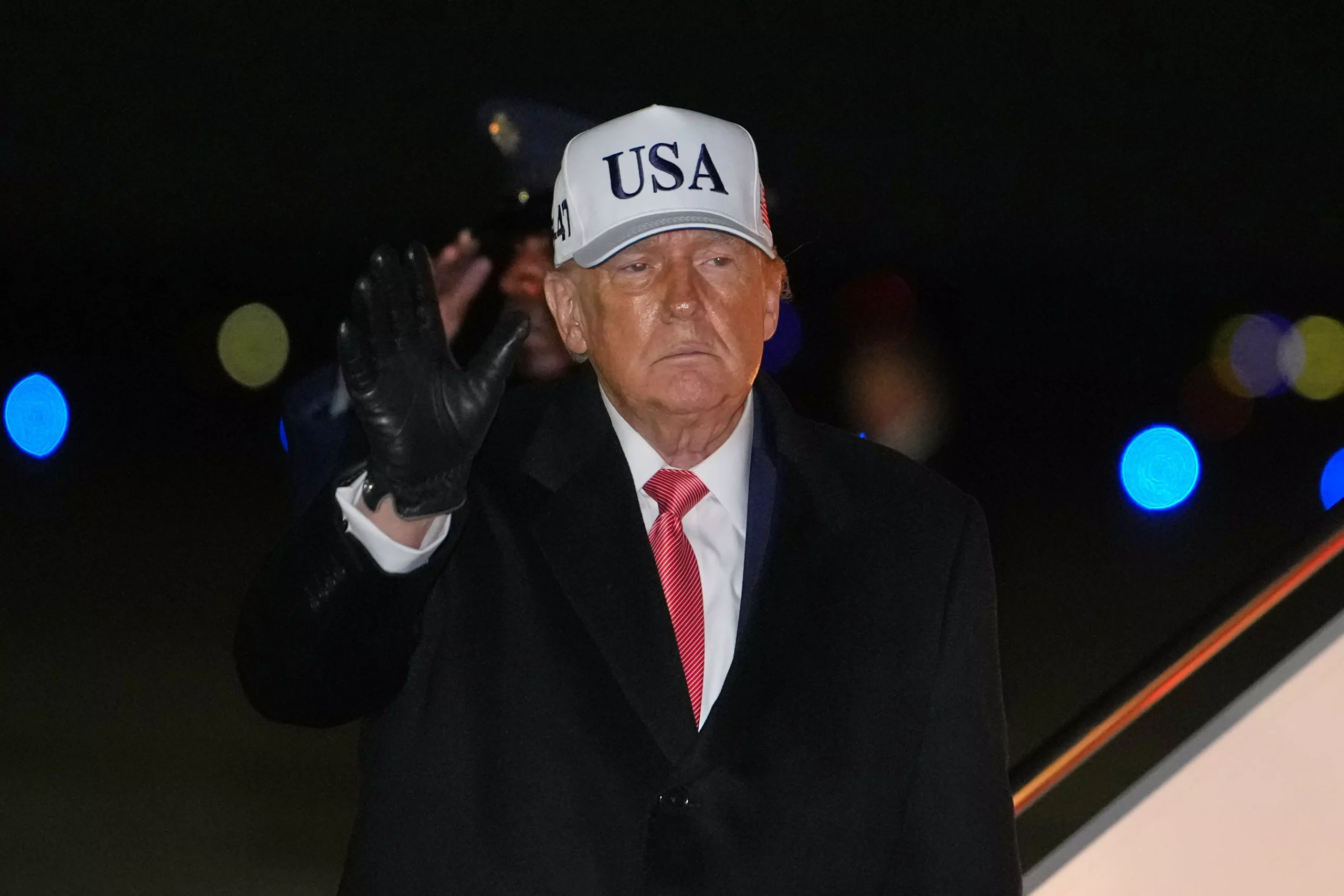
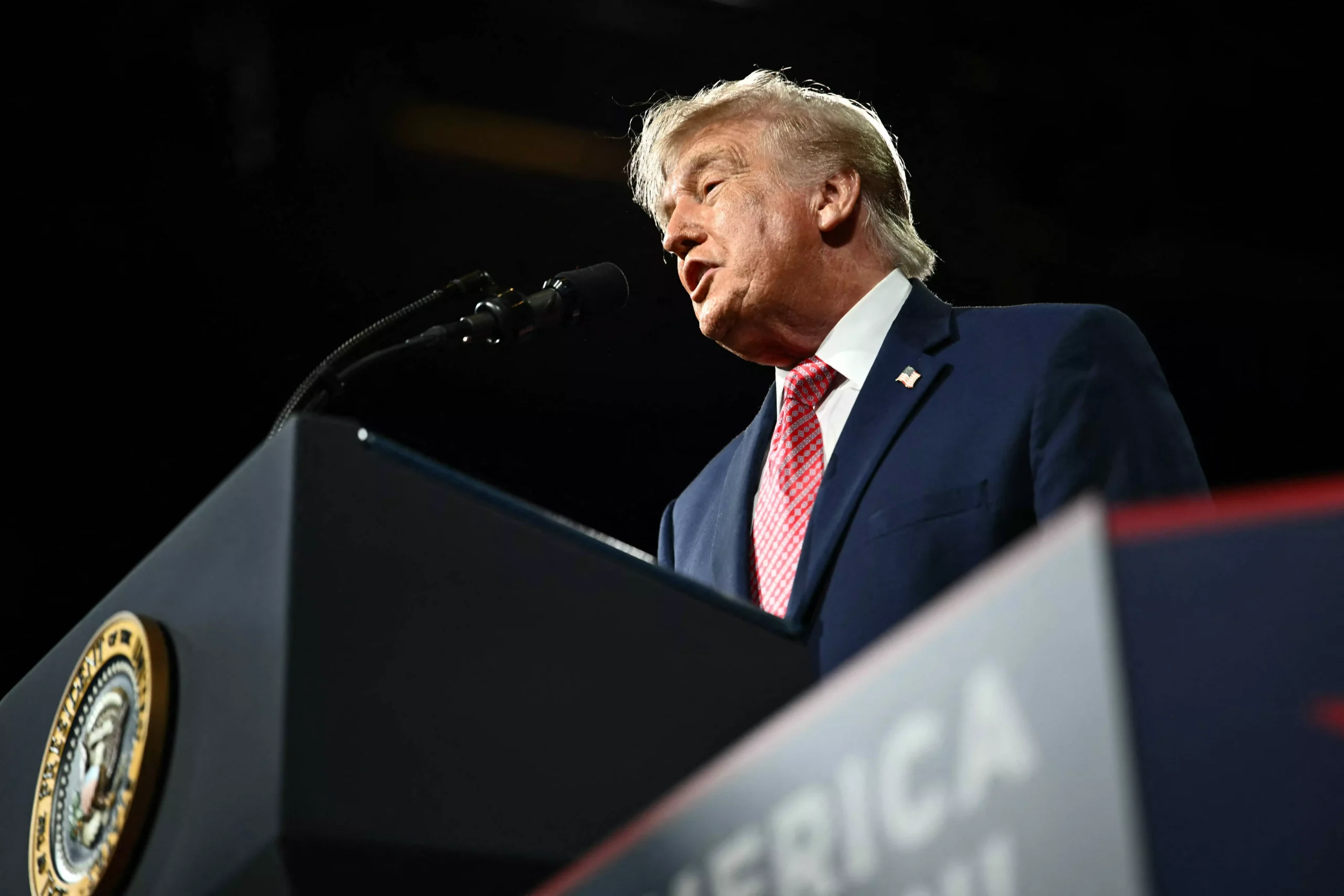
US President Donald Trump gestures to those present during an appearance in Washington, as he indicated on Tuesday, October 20, 2026, that India and the United States were close to finalising a bilateral trade agreement that would be substantially different from earlier arrangements, amid Secretary of State Marco Rubio’s visit to India. Photo: channel24india.com via AP/Alex Brandon
US President Donald Trump signals that Washington and New Delhi are close to concluding a new trade agreement as Secretary of State Marco Rubio’s India visit adds momentum to bilateral economic and strategic discussions.
Key Highlights
- US President Donald Trump says India and the United States are “pretty close” to finalising a trade agreement.
- Trump indicates that the proposed agreement will be significantly different from earlier trade arrangements.
- The remarks come during US Secretary of State Marco Rubio’s visit to India.
- Both countries are engaged in discussions aimed at strengthening bilateral economic and strategic relations.
- The proposed agreement could influence trade, investment and commercial cooperation between the two major economies.
- Details of the agreement, including tariff provisions and market-access commitments, have yet to be publicly disclosed.
Washington: US President Donald Trump has indicated that the United States and India are approaching a breakthrough in their bilateral trade negotiations, declaring that the two countries are “pretty close” to concluding an agreement that would be substantially different from previous trade arrangements. His remarks, made during an interaction with reporters at the White House on Tuesday, come at a significant moment in India-US relations, with Secretary of State Marco Rubio visiting India for discussions aimed at strengthening diplomatic, economic and strategic cooperation between the two countries.
Trump Signals Progress in Trade Negotiations
Speaking to reporters at the Oval Office, President Trump expressed confidence that Washington and New Delhi would soon reach an understanding on a new bilateral trade agreement.
Responding to a question about the progress of negotiations, Trump said:
“They want to make a deal. We’re going to make a deal. Pretty close, yeah.”
The US President further suggested that the agreement under discussion would depart from the structure and approach of earlier trade arrangements.
“It’s going to be a much different kind of deal than we’ve done,” Trump remarked.
Although Trump did not elaborate on the specific provisions or explain how the proposed agreement would differ from previous arrangements, his comments suggested that negotiations had reached an advanced stage.
Rubio’s India Visit Adds Diplomatic Momentum
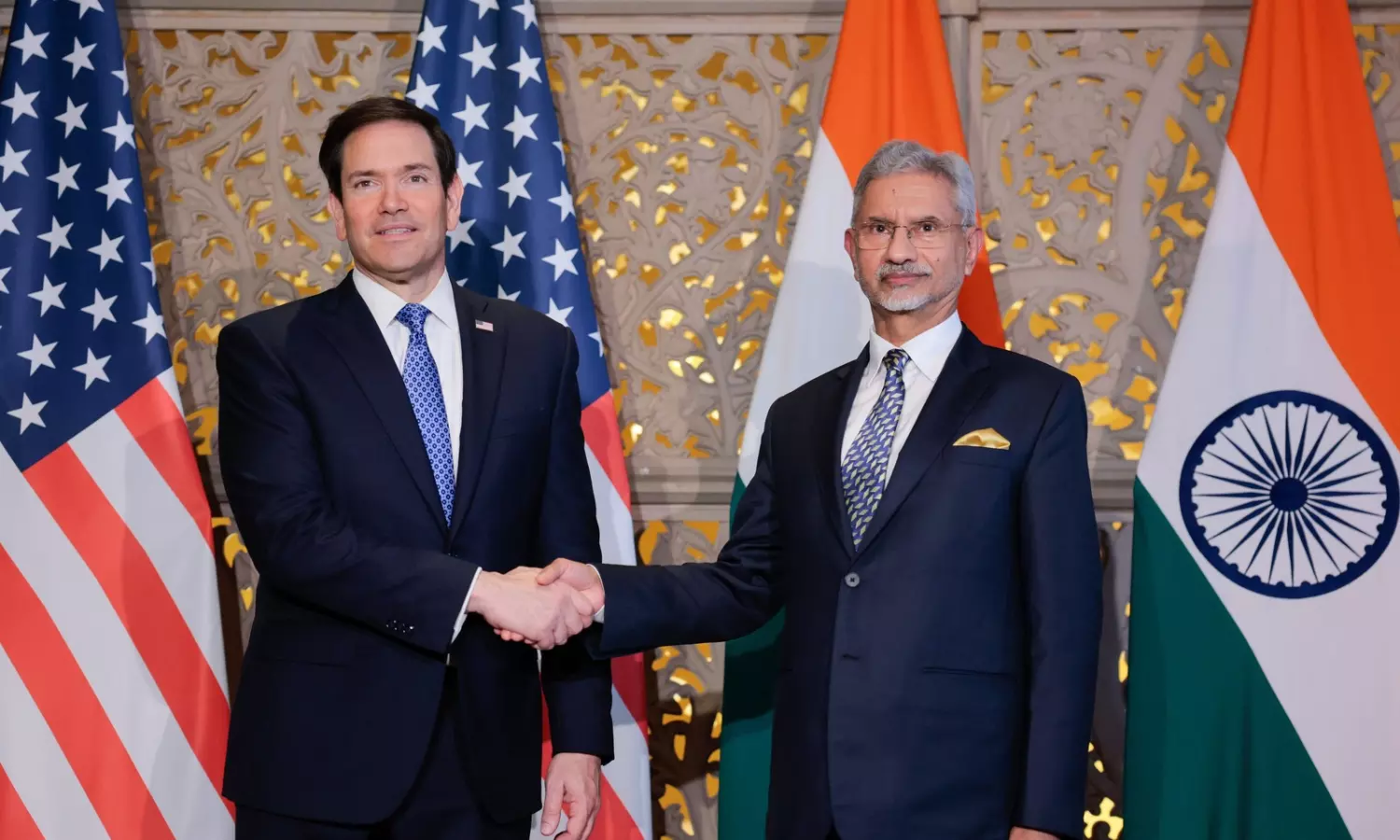
Trump’s remarks coincided with US Secretary of State Marco Rubio’s visit to India, where discussions have focused on further strengthening bilateral relations.
The timing of the President’s statement assumes significance because trade negotiations are taking place within a broader diplomatic framework involving economic cooperation, strategic interests and the long-term relationship between Washington and New Delhi.
Rubio’s visit provides an opportunity for both governments to review progress in their engagement and address issues that could influence the direction of bilateral cooperation.
However, no formal announcement confirming the conclusion of the proposed trade agreement has been made.
Trade Agreement Could Reshape Bilateral Economic Relations
India and the United States maintain an extensive economic relationship covering merchandise trade, services, technology, investment and industrial cooperation.
A new bilateral trade agreement could provide a framework for addressing longstanding commercial concerns while creating opportunities for businesses operating in both countries.
Trade negotiations between major economies generally involve complex questions relating to tariffs, market access, regulatory requirements and the treatment of domestic industries.
The final impact of any agreement would depend on the concessions negotiated, the sectors covered and the implementation mechanisms adopted by both governments.
Trump’s description of the proposed pact as a different kind of agreement has consequently attracted attention, although its precise implications remain unclear.
Tariffs and Market Access Remain Important Considerations
One of the central challenges in bilateral trade negotiations is balancing greater market access with the protection of sensitive domestic sectors.
For India, the outcome of negotiations could have implications for exporters, manufacturers, service providers and industries seeking greater access to the American market.
For the United States, a trade agreement could offer opportunities to expand commercial engagement with India and address market-access concerns raised by American businesses.
However, neither government has publicly disclosed the complete terms of the proposed agreement, making it premature to assess which sectors would benefit most or what obligations either side might undertake.
Strategic Partnership Extends Beyond Trade
The importance of a possible trade agreement extends beyond immediate commercial considerations.
India and the United States have developed a wide-ranging strategic relationship involving defence cooperation, technology, investment and engagement on regional and international issues.
Economic negotiations form an important component of this partnership, particularly as both countries seek to strengthen their positions in an increasingly competitive global economy.
A mutually acceptable trade agreement could reinforce commercial confidence and create additional opportunities for cooperation.
At the same time, differences over trade policy and domestic economic priorities would require careful negotiation to ensure that the final arrangement reflects the interests of both countries.
Attention Turns to Formal Announcement
Trump’s latest statement has raised expectations of a possible breakthrough, but the negotiations cannot be considered concluded until both governments formally announce an agreement.
The US President’s confidence that a deal is close, combined with the ongoing high-level diplomatic engagement, suggests that the two sides are continuing efforts to resolve outstanding issues.
For businesses, investors and policymakers, the immediate focus will be on whether the negotiations produce a formally agreed text and what commitments it contains.
Until those details become available, the proposed India-US trade agreement remains an important diplomatic and economic development rather than a completed pact.
The coming announcements from Washington and New Delhi will determine whether Trump’s optimism translates into a substantive new chapter in bilateral trade relations.