Kumar Bahukhandi
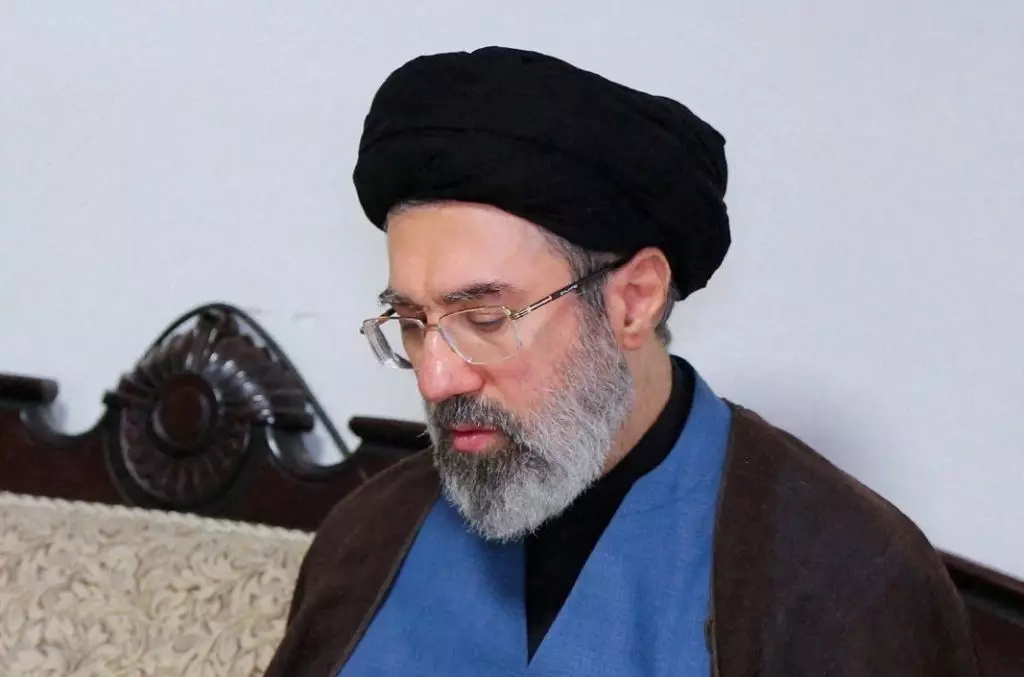
Iran’s Supreme Leader Ayatollah Mojtaba Khamenei in a file photograph. President Masoud Pezeshkian told a cabinet meeting in Tehran on Wednesday, October 28, 2026, that his government would pursue Khamenei’s directive to end the prevailing state of “neither war nor peace
President Masoud Pezeshkian pledges to pursue the directive while urging readiness against threats, sanctions and external pressure
Key Highlights
- Supreme Leader Mojtaba Khamenei has called for resolving the prevailing state of “neither war nor peace”.
- President Masoud Pezeshkian said his government would work towards implementing the directive.
- Ministers and executive departments have been instructed to remain prepared for changing circumstances.
- Foreign Minister Abbas Araghchi briefed the cabinet on diplomatic developments and regional consultations.
Tehran: Iranian President Masoud Pezeshkian has pledged his government’s full efforts to implement Supreme Leader Ayatollah Mojtaba Khamenei’s directive to end the prevailing state of “neither war nor peace”, according to Iran’s state news agency IRNA. Addressing a cabinet meeting on Wednesday, October 28, 2026, Pezeshkian described the instruction as significant for the country’s future direction.
The directive was addressed to the secretary of Iran’s Supreme National Security Council. Pezeshkian said his administration would pursue its implementation with determination, while continuing to manage domestic conditions and prepare for regional and international developments.
Pezeshkian said the government would devote its full capacity to carrying out the Supreme Leader’s directive and achieving the objectives outlined for moving beyond the current uncertainty.
During the meeting, the cabinet discussed national resilience, administrative preparedness and responses to external threats. Pezeshkian instructed ministers, heads of executive bodies and their deputies to maintain readiness for emerging circumstances.
He also emphasised the need to use available resources effectively, improve productivity and strengthen the country’s capacity to withstand pressure.
The President said Iran would remain firm in the face of threats and sanctions, stressing the importance of national unity.
“Enemies must not imagine that by increasing pressure and threats, they can weaken the will of the Iranian nation,” Pezeshkian said.
Foreign Minister Abbas Araghchi presented a report on diplomatic developments and regional consultations. His briefing included discussions associated with recent visits by a Qatari delegation and Pakistan’s Chief of Army Staff.
The remarks come amid reports of renewed diplomatic efforts between Washington and Tehran, alongside the possibility of further US military action. The Wall Street Journal reported that US Vice President JD Vance had sent a letter to Iranian security chief Mohsen Rezaei exploring a framework for restarting negotiations.
The Iranian statements outlined the leadership’s intention to resolve the standoff while maintaining preparedness. They did not announce a concluded peace agreement or a confirmed timetable for negotiations.