Kumar Bahukhandi
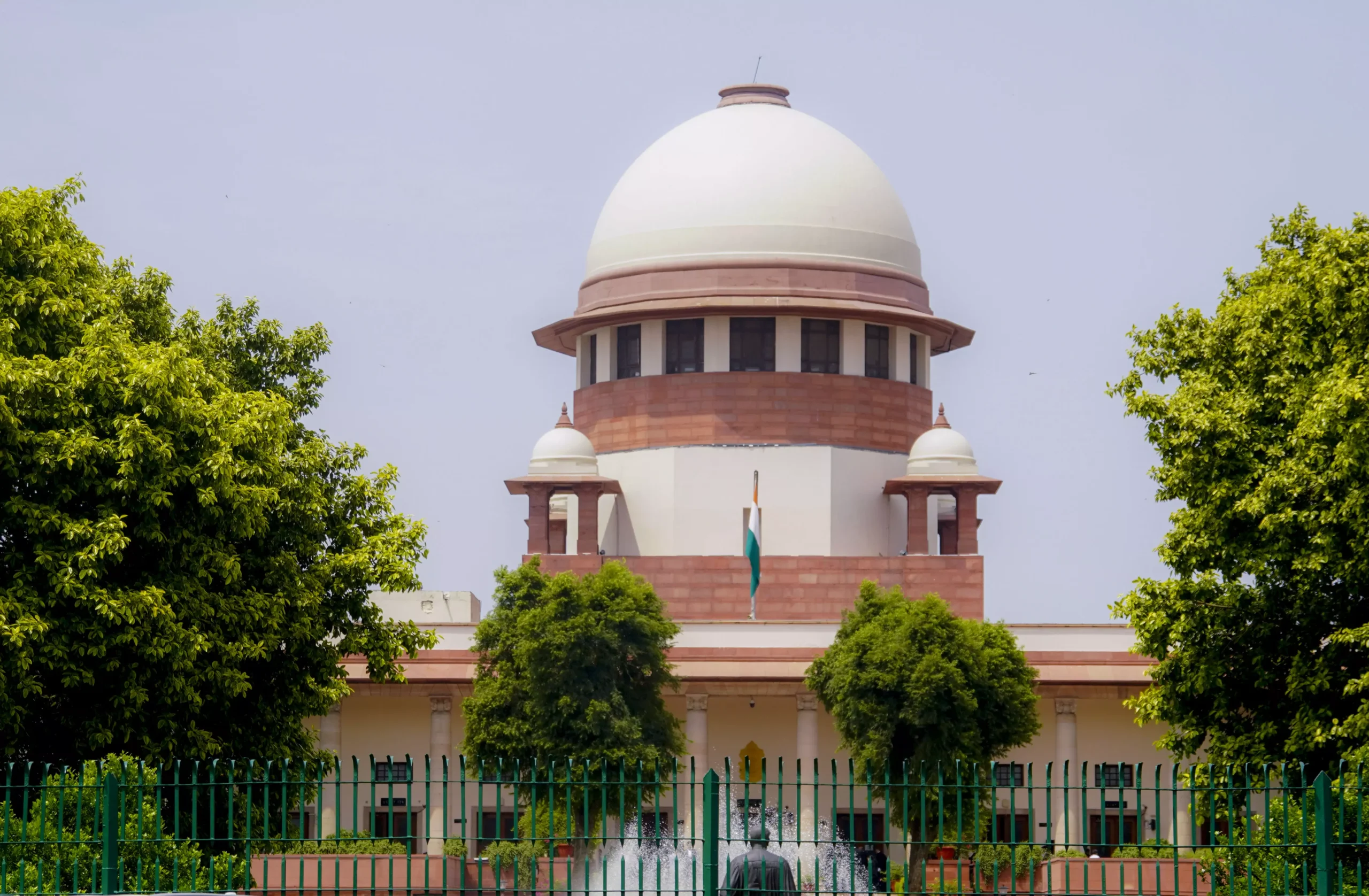
Supreme Courtof India (File Photo )
The apex court posted the matter for further consideration on March 13
NEW DELHI: In a significant move to resolve one of India’s oldest religious disputes, the Supreme Court on Wednesday January 28, 2026 appointed former apex court judge Sanjay Kishan Kaul as the principal mediator to settle the 120-year-old conflict between two Sri Vaishnava sects over the performance of rituals at the Sri Devarajaswami Temple in Kanchipuram, Tamil Nadu.
A two-judge Bench comprising Chief Justice of India Surya Kant and Justice Joymalya Bagchi passed the order while hearing an appeal filed by S. Narayanan against a Madras High Court verdict that had dismissed a plea seeking permission for the Vadakalai sect to recite prayers inside the sanctum sanctorum of the temple.
Recording that both sides had agreed to mediation, the CJI said senior counsel had “gracefully agreed” to explore an amicable solution so that daily rituals could be carried out without discord. Justice Kaul was requested to act as the principal mediator and was given liberty to associate two additional persons of his choice who are well-versed in Tamil and Sanskrit, temple rituals and the religious history of the shrine.
The apex court posted the matter for further consideration on March 13.
The dispute centres on ritual recitals within the temple, where the Thenkalai sect has traditionally performed prayers. The petitioners contended that members of the Vadakalai sect were being unlawfully denied the right to participate in rituals, despite being recognised as a religious denomination.
In December last year, a division bench of the Madras High Court upheld the exclusive Adhiapaka Mirasi (official ceremonial worship) rights of the Thenkalai community at the temple. It rejected challenges by Vadakalai members seeking to recite their own mantras and prabandhams during ceremonial worship, holding that such practices would violate settled judicial decrees and disturb public order.
Senior advocates C.S. Vaidyanathan, Satish Parasaran and Arvind P. Datar, appearing for the petitioners in the Supreme Court, argued that the High Court had relied heavily on pre-Constitution rulings recognising hereditary Adhiapaka Mirasi rights, which they said were inconsistent with Article 25 of the Constitution guaranteeing freedom of religion.
They also contended that the High Court failed to adequately consider the impact of the Tamil Nadu Hindu Religious and Charitable Endowments (Amendment) Act, 1971, which abolished hereditary religious services in temples, rendering earlier precedents obsolete.
Counsel for the respondents submitted that the Thenkalai ritual recitals date back more than 300 years and are deeply rooted in the temple’s established traditions. Datar, while underscoring the constitutional value of fraternity, suggested that a negotiated settlement would be preferable to prolonged litigation.
He also informed the court that during the Covid-19 pandemic, a temporary arrangement had allowed each sect to chant its respective mantras for 20 seconds, but this practice was later discontinued, with the temple administration directing that recitals be performed only by the Thenkalai sect. Taking note of the submissions and the parties’ willingness to seek a consensual solution, the apex court appointed Justice Kaul as the principal mediator.