Kumar Bahukhandi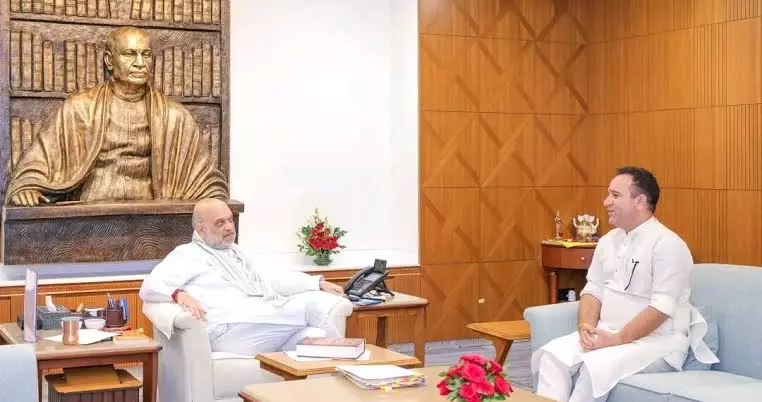
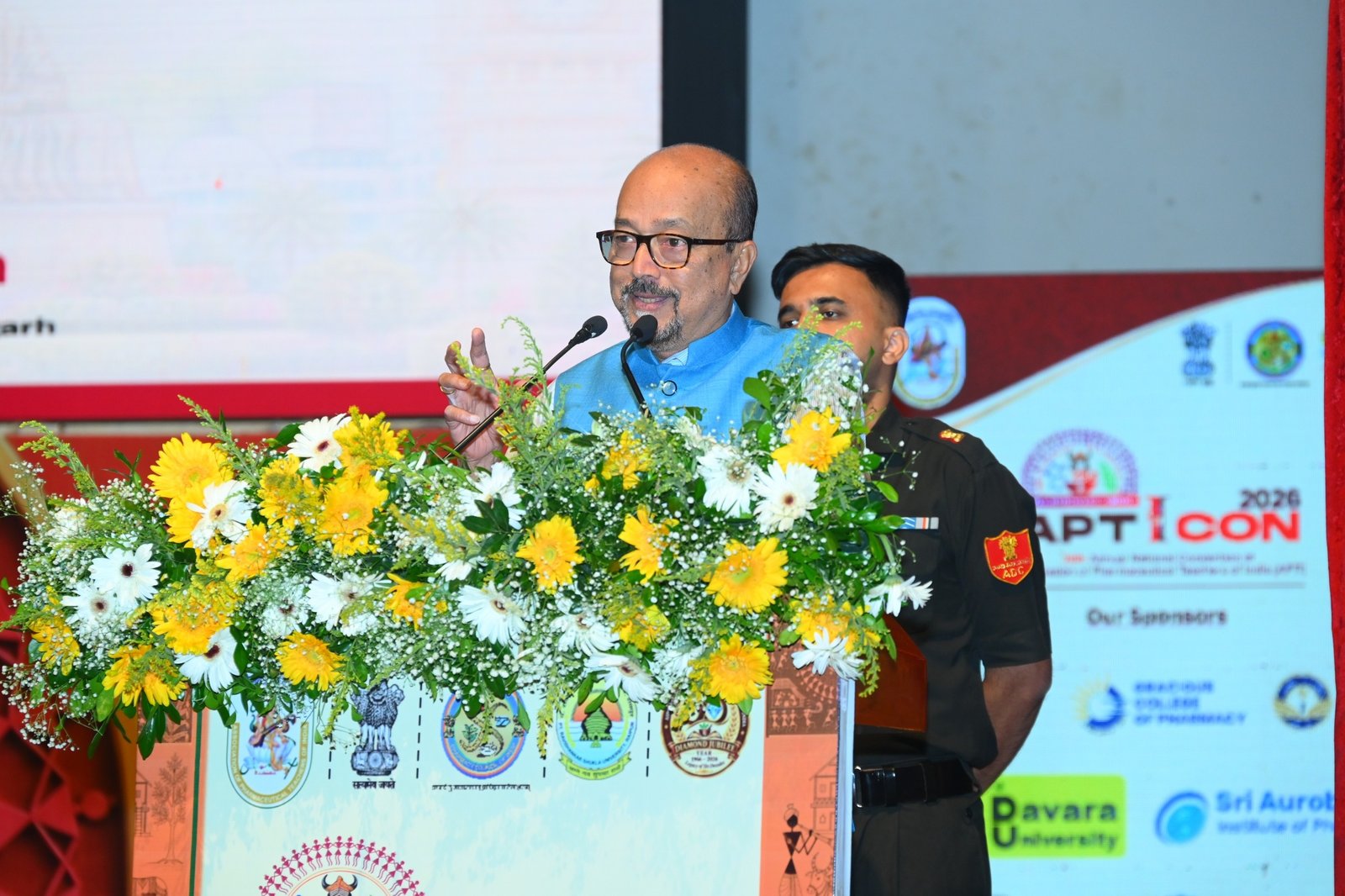
Leader of Opposition in the Jammu and Kashmir Legislative Assembly Sunil Sharma meets Union Home Minister Amit Shah in New Delhi, a day after the Assembly witnessed heated exchanges over Chief Minister Omar Abdullah’s statehood resolution. Photo: Internet
BJP–NC confrontation intensifies after Omar Abdullah’s resolution links statehood demand with earlier autonomy and special-status resolutions
Key Highlights
- Chief Minister Omar Abdullah has sought the “immediate and urgent” restoration of full statehood to Jammu and Kashmir.
- BJP’s objection centres on references to the 2000 autonomy resolution and the November 2024 special-status resolution, rather than the statehood demand alone.
- Leader of Opposition Sunil Sharma met Union Home Minister Amit Shah in New Delhi a day after the Assembly confrontation.
- Sharma says the BJP is prepared to debate statehood but opposes reopening questions concerning autonomy and Article 370.
- The Assembly is expected to take up the resolution for discussion on Monday.
Ne Delhi: The confrontation inside the Jammu and Kashmir Legislative Assembly over Chief Minister Omar Abdullah’s resolution seeking restoration of full statehood has brought into focus a wider disagreement between the ruling National Conference and the opposition Bharatiya Janata Party over how the constitutional debate should be framed.
Abdullah moved the resolution on Friday, calling upon the Government of India for the “immediate and urgent restoration of full statehood to Jammu and Kashmir”. The political flashpoint, however, was its reference to two earlier Assembly resolutions — the June 26, 2000 autonomy resolution and the November 6, 2024 resolution seeking dialogue on restoration of special status and constitutional guarantees.
BJP legislators, led by Leader of Opposition Sunil Sharma, protested against those references, entered the Well of the House and raised slogans. Sharma maintained that the BJP was prepared for a debate on restoration of statehood but would oppose attempts to bring autonomy or Article 370 into that discussion. The disruption eventually led to the House being adjourned.
Sharma Meets Shah After Assembly Uproar
The political significance of the confrontation increased a day later when Sharma met Union Home Minister Amit Shah in New Delhi.
According to accounts of the meeting, Sharma discussed the prevailing security and law-and-order situation, development initiatives, public concerns and matters connected with the ongoing Assembly session. He also raised the issue of enhancement of salaries for Special Police Officers. Shah reiterated the Union Government’s commitment to peace, development and prosperity in Jammu and Kashmir and assured continued support in addressing issues concerning the Union Territory.
The timing places the meeting squarely against the backdrop of the statehood confrontation, but the publicly disclosed account does not establish that Sharma was “summoned” by Shah or that the meeting was exclusively called to devise the BJP’s strategy on the resolution. For that reason, describing it as a “summons” or presenting a specific strategy as an established outcome would go beyond the confirmed information.
The political dividing line is nevertheless clear. The National Conference is seeking immediate restoration of full statehood while retaining references to earlier Assembly positions on autonomy and constitutional guarantees. The BJP says statehood can be debated separately but rejects reopening the questions of autonomy and Article 370.
Abdullah has argued that mentioning the earlier resolutions does not replace or subsume them and that the latest resolution specifically seeks full statehood. Sharma, meanwhile, has described the references to autonomy and special status as unacceptable to the BJP.
With the Assembly scheduled to discuss the resolution on Monday, the dispute is set to return to the floor of the House, keeping the question of Jammu and Kashmir’s constitutional status at the centre of the current political debate.