Kumar Bahukhandi
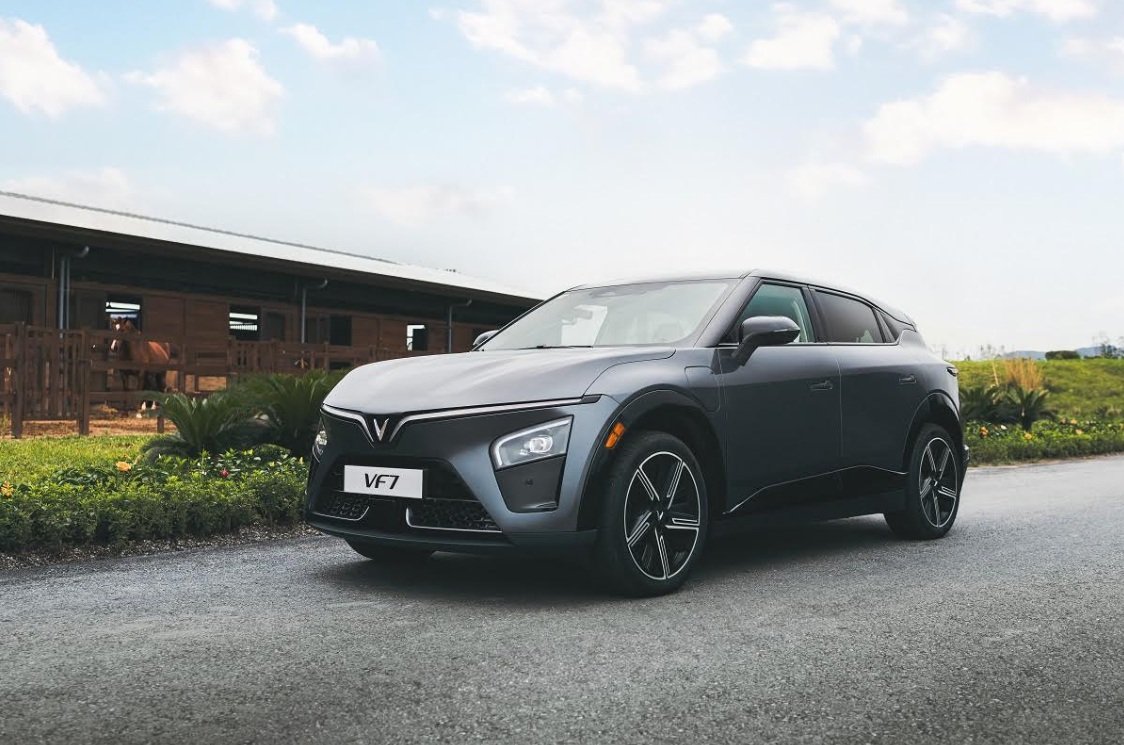
Electric vehicles are increasingly beating petrol and diesel cars on lifetime ownership costs, yet many buyers continue to judge them by sticker price. Research suggests the industry’s next challenge is not improving EV economics but making them easier for consumers to understand.
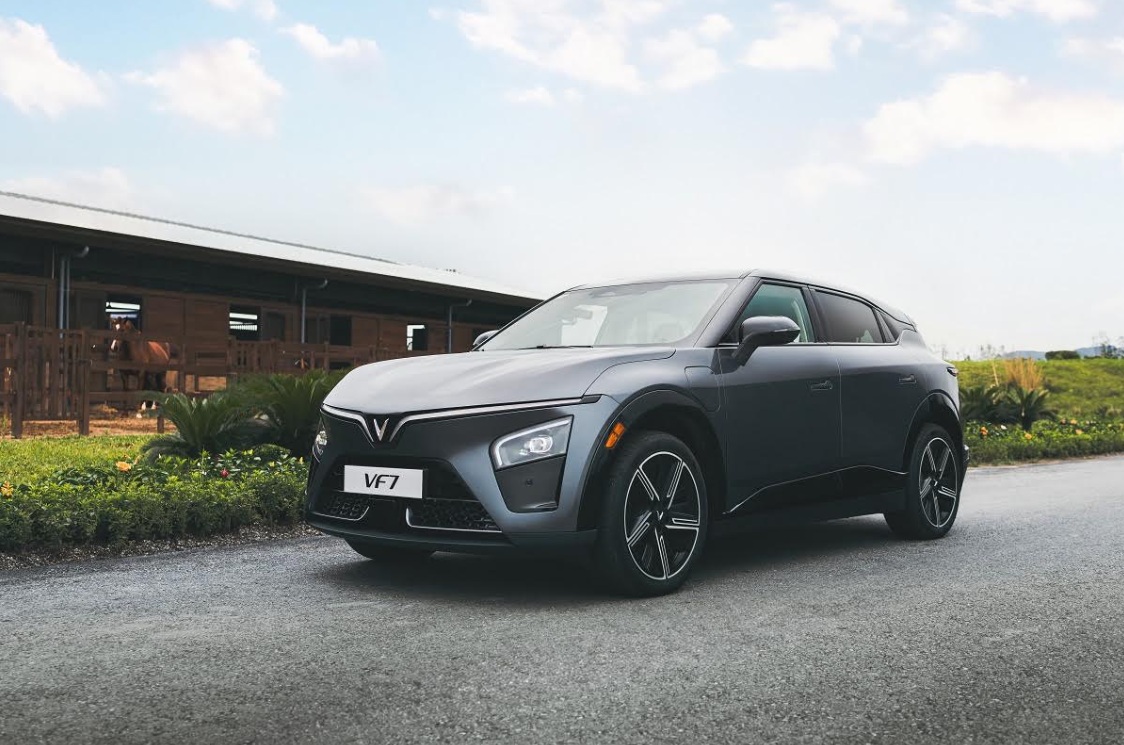 |
VinFast has introduced a web-based TCO calculator to help buyers compare the long-term ownership costs of EVs and ICE vehicles based on their driving patterns
For years, the biggest obstacle facing electric vehicles was simple: they cost more to buy.
That equation is becoming less clear-cut. Battery prices have fallen, model choices have expanded, charging networks are growing and, more importantly, the economics of ownership have shifted. Once fuel, maintenance and servicing are factored in, many EVs can cost less to own than comparable internal combustion engine (ICE) vehicles over several years.
Yet purchase decisions are still largely shaped by ex-showroom prices rather than lifetime ownership costs. As a result, one of the strongest arguments for switching to electric mobility remains underappreciated. The gap is increasingly one of communication.
A quietly changing ownership equation
While EVs still carry a higher upfront purchase price, that premium is increasingly offset by substantially lower energy and maintenance costs, making Total Cost of Ownership (TCO) a more meaningful measure of value than the sticker price alone.
That trend is already evident in more developed markets such as Europe. Battery electric vehicles are now the lowest-cost powertrain on a lifetime TCO basis for medium-sized cars in the European Union and are projected to reach that position across all passenger car segments by 2026. Much of the advantage comes from lower running costs, while maintenance expenses are estimated to be about 30% lower than those of comparable ICE vehicles because electric drivetrains have fewer moving and wear-prone components.(1) The economics become even more compelling for drivers covering higher annual mileages, as operating-cost savings accumulate more quickly.
Early calculations suggest a similar pattern may already be emerging in India. Consider a family MPV driven around 1,500 km a month, or 18,000 km annually. Assuming a comparable petrol model delivers around 19.5 km per litre and petrol costs approximately Rs 100 per litre, fuel expenses would total roughly Rs 2.46 lakh over 32 months. Over the same period, the all-electric seven-seat VinFast VF MPV 7 would consume about 5,580 kWh of electricity. Even at Delhi’s highest residential electricity tariff, home charging would cost only about Rs 44,700, roughly 82% less than the petrol bill.
For many buyers, the financial case for switching to an EV may already exist. The challenge is helping them recognise it before making a purchase.
Consumers don’t need bigger savings. They need clearer comparisons.
The disconnect between what buyers see on the price tag and what they ultimately pay has been studied before.
A paper published in the peer-reviewed scientific journal Transportation Research Part A: Policy and Practice examined whether presenting consumers with different forms of cost information influenced their vehicle preferences. The results were revealing: simply telling prospective buyers how much they could save on fuel over five years had little measurable impact on their vehicle rankings.
However, presenting TCO, combining purchase price, fuel and operating costs into a single ownership figure, significantly increased preference for hybrid, plug-in hybrid and battery electric vehicles among buyers of small and midsize cars.
The researchers argue that consumers often struggle to connect a higher upfront purchase price with lower lifetime operating costs, a phenomenon commonly described as the “energy-efficiency gap.” In other words, buyers may understand that EVs consume less energy but still fail to translate those savings into an overall financial advantage.
The implication is that the next competitive advantage for automakers may not come solely from building vehicles with lower running costs, but from making those savings visible in ways that simplify purchase decisions.
Making the economics visible
Some manufacturers have already begun shifting in that direction.
Vietnam-based VinFast, for example, has introduced a web-based Total Cost of Ownership calculator that allows prospective buyers to compare the long-term ownership costs of electric and internal combustion vehicles based on their expected driving patterns. Rather than asking consumers to estimate fuel, servicing and maintenance expenses themselves, the tool automatically turn those variables into a straightforward ownership-cost comparison.
The calculator is supported by a broader ownership proposition aimed at lowering costs throughout the vehicle lifecycle. Buyers receive complimentary charging at V-Green stations through March 2029, three years or 36,000 km of free maintenance, and transition incentives for customers switching from ICE vehicles.
As India’s EV market matures, battery range, charging speed and vehicle performance will remain important differentiators. But if ownership economics increasingly favour electric vehicles, helping buyers understand those economics may become just as critical for the industry as a whole.