Kumar Bahukhandi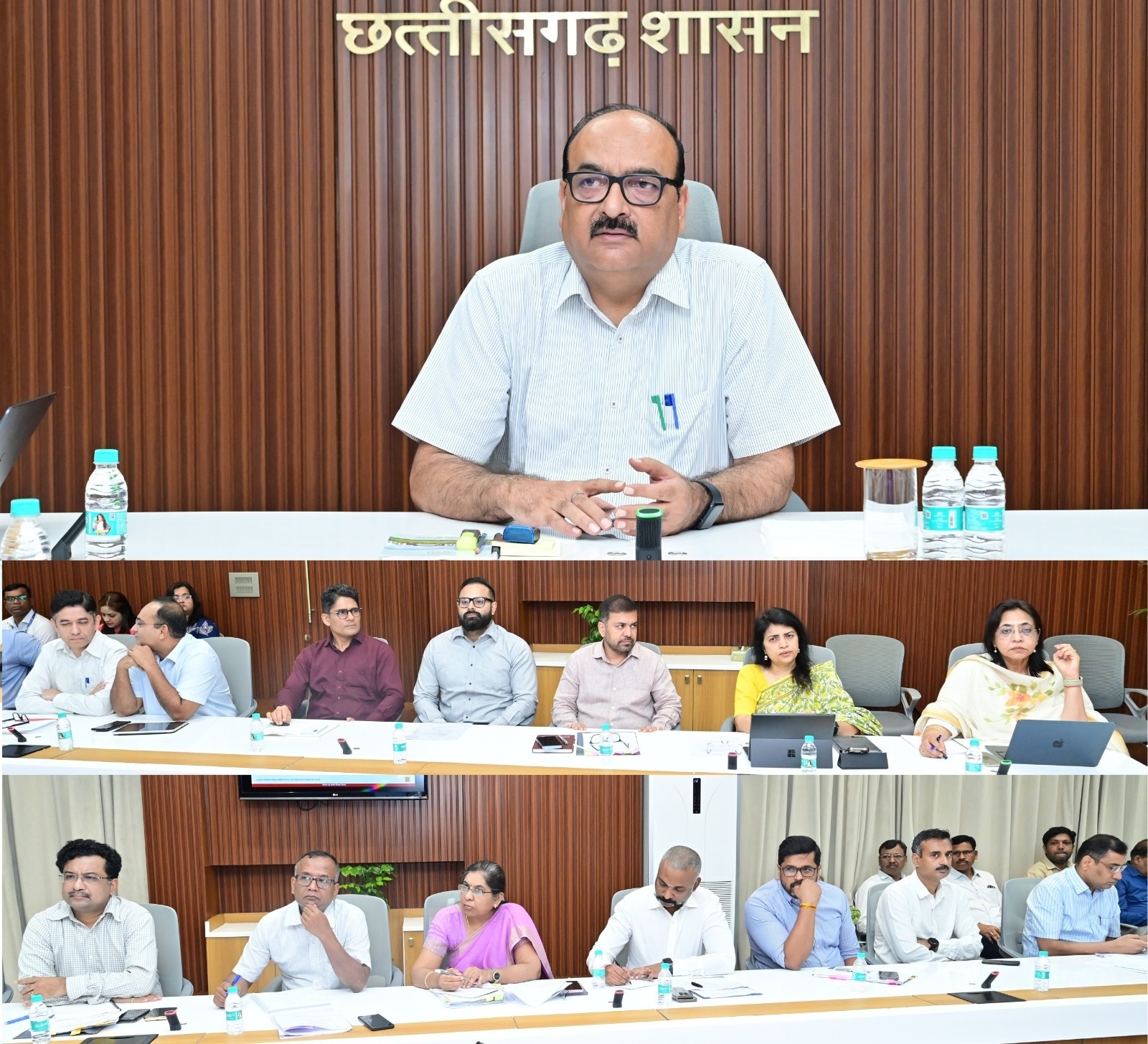
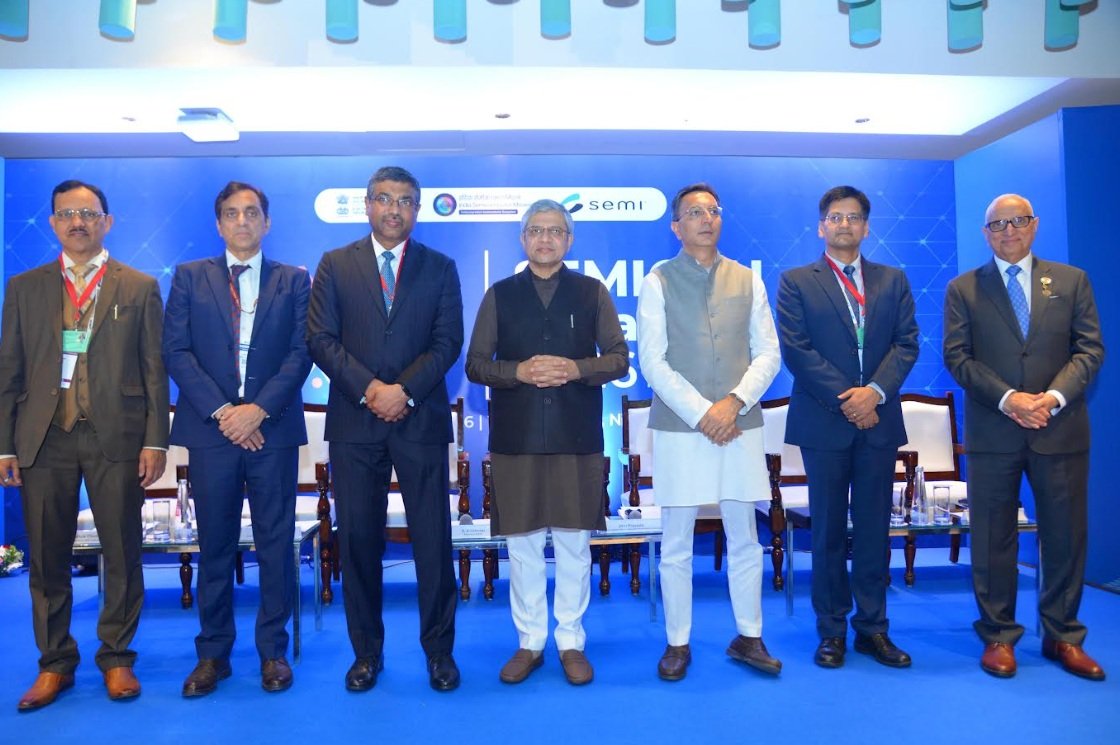
Chief Secretary Vikas Sheel Conducts Review meeting on Friday May 29, 2026 , at the Mantralaya (Mahanadi Bhawan), where strategies for ambitious schemes such as Niyad Nella Nar 2.0, ‘Bastar Munne’, and ‘Sughghar Chhattisgarh’ are being discussed in details-Photo Credit-CG/PR
Raipur: A comprehensive campaign is set to launch to integrate villagers residing in Maoist-affected and remote regions into the mainstream through the Chhattisgarh government’s ambitious ‘Niyad Nella Nar 2.0’ scheme. Under this new action plan, 100% coverage (saturation) of public welfare schemes will be ensured in areas that have been liberated from Left-Wing Extremism.
A high-level meeting, presided over by Chief Secretary Vikas Sheel held today here on Friday May 29, 2026 , at the Mantralaya (Mahanadi Bhawan), where strategies for ambitious schemes such as Niyad Nella Nar 2.0, ‘Bastar Munne’, and ‘Sughghar Chhattisgarh’ were discussed in detail.
The Next Step Following the Success of Niyad Nella Nar 1.0
During the meeting, it was highlighted that under the first phase of the scheme (1.0), 25 beneficiary-oriented and 14 community-based facilities were delivered to villages located in the vicinity of security camps across the districts of Bijapur, Sukma, Dantewada, Kanker, and Narayanpur. Now, expanding the scope of the second phase (Niyad Nella Nar 2.0), 31 individual beneficiary-oriented schemes, 14 community schemes, and 10 essential services will be delivered directly to the villagers.
These 31 Key Individual Schemes to Reach Every Village
Under this special campaign, data on every eligible villager will be compiled to directly link them with the relevant schemes. Villagers will be connected to initiatives such as MGNREGA Job Cards, Old Age Pensions, Widow Pensions, and Disability Pensions; the Pradhan Mantri Awas Yojana, Jal Jeevan Mission, Ration Cards and Free Ration Distribution Schemes, Ayushman Cards, Swachh Bharat Mission (Rural), Saksham Anganwadi and Poshan, Janani Suraksha Yojana, and Mission Indradhanush (Immunization); as well as the Department of Women and Child Development’s Pradhan Mantri Matru Vandana Yojana and Mahtari Vandana Yojana. Similarly, under schemes such as the PM Kisan Samman Nidhi, Kisan Credit Card (KCC), Soil Health Card, Pradhan Mantri Jan Dhan Yojana, the provision of free uniforms and textbooks to school children under Samagra Shiksha, and the Pradhan Mantri Kaushal Vikas Yojana, Aadhaar cards will be issued to all eligible beneficiaries. Furthermore, Labor Cards, Voter IDs, and Individual Forest Rights Certificates—along with Caste, Birth, Domicile, Death, and EWS (Economically Weaker Sections) certificates—will be issued.
Infrastructure to be Strengthened through 14 Community Facilities
To bolster infrastructure for the development of remote forest regions, these 14 community facilities will be established in villages. These include Anganwadi centers, healthcare facilities, Fair Price Shops (ration shops), road and mobile connectivity, post offices, Van Dhan Vikas Kendras, Common Service Centers, Panchayat buildings, banks, and the establishment of new colleges at the block level.
The meeting, convened to outline the framework for this intensive saturation drive, was attended by senior officials from various departments. These included Mrs. Richa Sharma (Additional Chief Secretary, Panchayat & Rural Development), . Niharika Barik Singh (Principal Secretary, Home & Jails), . Sonmoni Borah (Principal Secretary, Tribal Welfare), Dr. Kamalpreet Singh (Secretary, School Education), Dr. Rohit Yadav (Secretary, Finance), Avinash Champawat (Secretary, General Administration), Amit Kataria (Secretary, Public Health & Family Welfare), Rajat Kumar (Secretary, General Administration), Ankit Anand (Secretary, Housing & Environment), Dr. S. Bharathidasan (Secretary, Tourism & Culture), . Shammi Abidi (Secretary, Revenue & Disaster Management), Basavaraju S. (Secretary, Technical Education & Skill Development), and Himshikhar Gupta (Secretary, Labor).
At the conclusion of the meeting, the Chief Secretary issued strict directives to all departments to implement these schemes on the ground within the stipulated timeframe, ensuring mutual coordination among them.