Kumar Bahukhandi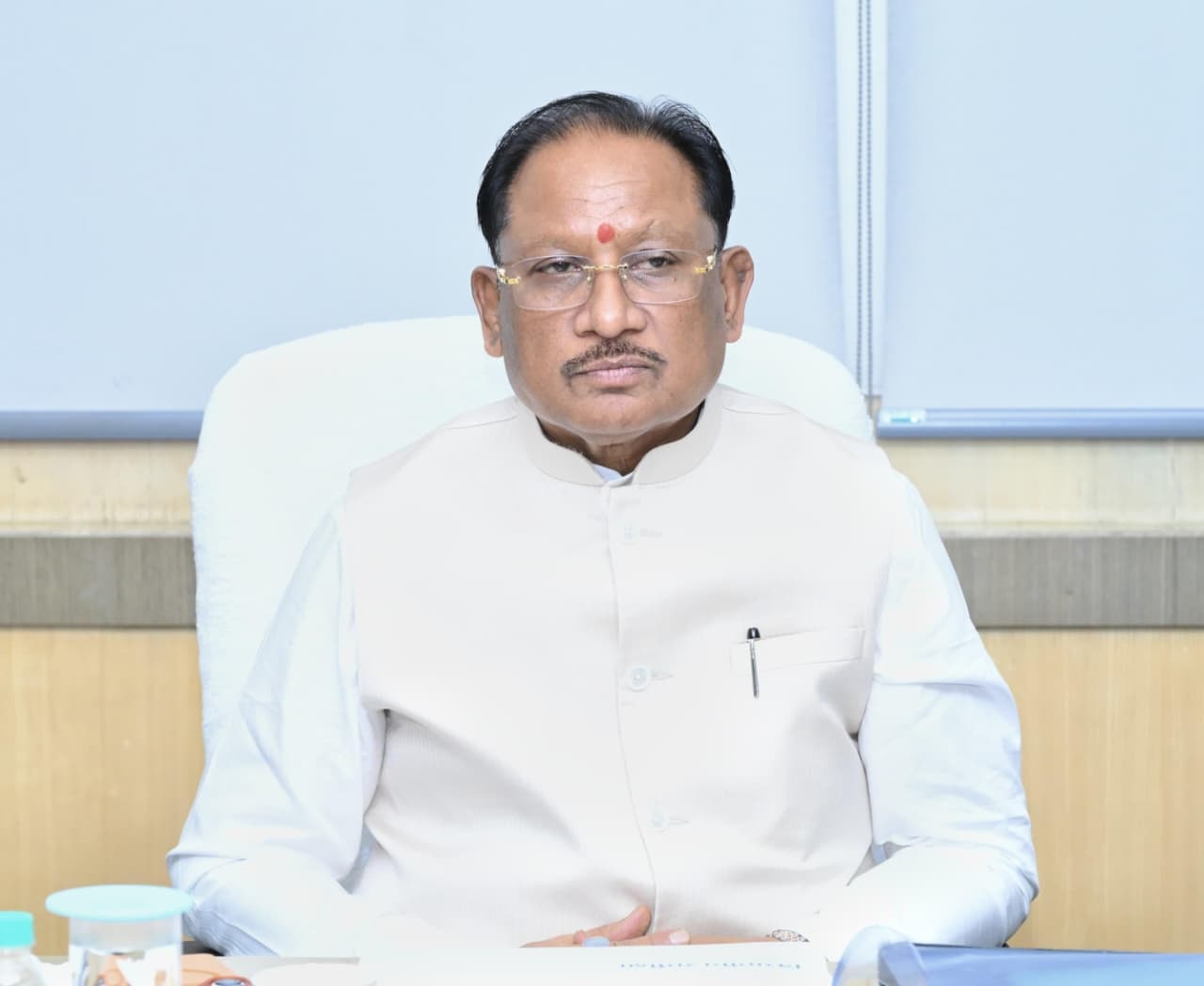
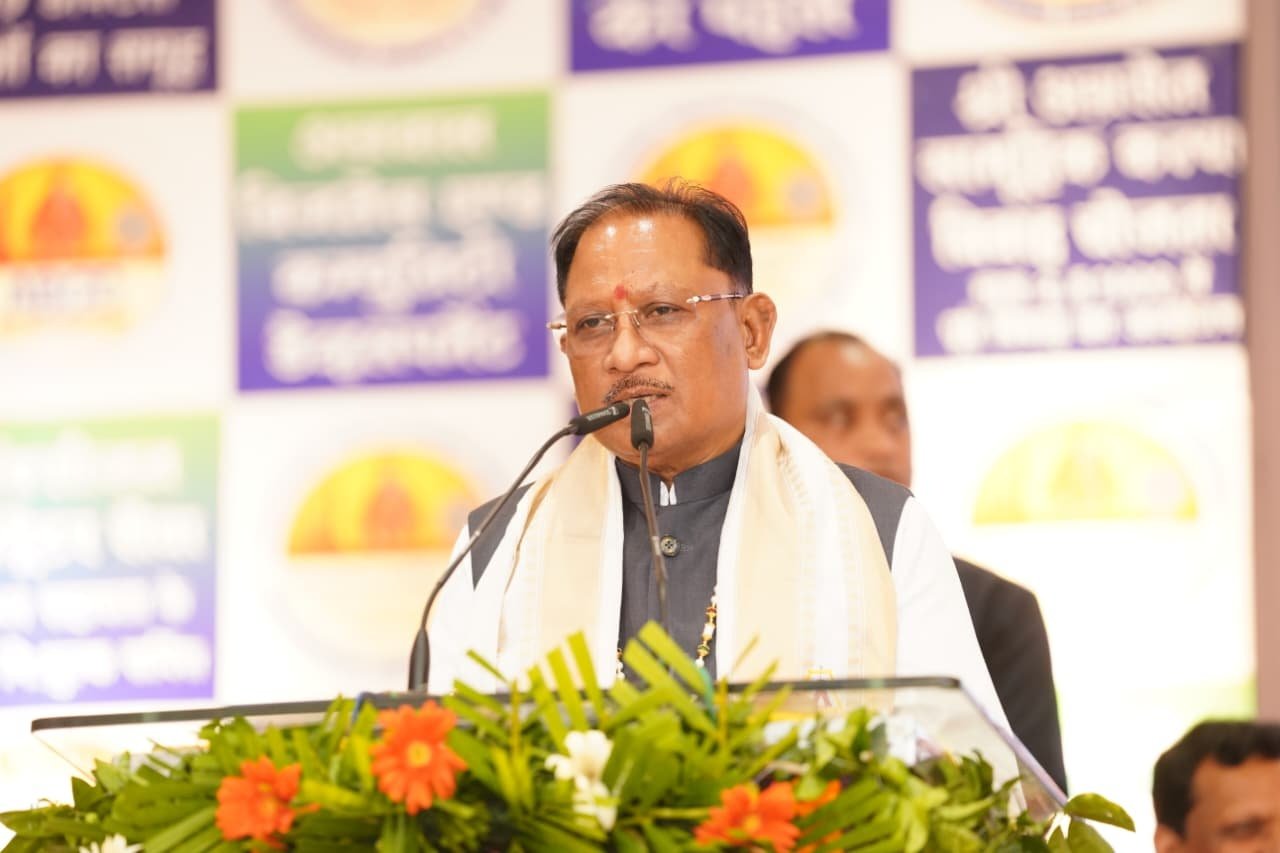
Chief Minister Vishnu Deo Sai reviews governance and administrative reform initiatives aimed at strengthening transparency, digital service delivery, and citizen-centric administration, reinforcing Chhattisgarh’s emergence as a leading model of good governance in India-Photo Credit-channel24india.com(File Photo)
Key Factors
- 435 administrative reforms implemented across governance sectors.
- Digital governance transforming public service delivery.
- CM Helpline 1076 connects citizens with 42 departments and nearly 8,000 officials.
- Seva Setu provides 520 government services through 16,726 service centres.
- Single Window System 2.0 simplifies industrial approvals.
- 0.60% property registration cess abolished, benefiting citizens.
- India’s first Smart Registration Office operational in Nava Raipur.
- ₹598 crore Central assistance awarded for land reforms and AgriStack achievements.
- Government aims to build a transparent, accountable, and citizen-centric governance model for a Developed Chhattisgarh.
435 Administrative Reforms, Digital Governance, Land Reforms and Citizen Services Position Chhattisgarh Among India’s Leading States in Good Governance
Raipur: Chhattisgarh is rapidly emerging as one of India’s leading examples of digital governance and administrative innovation under the leadership of Chief Minister Vishnu Deo Sai, who has reiterated that transparent, accountable, and citizen-centric governance is the cornerstone of building a Developed Chhattisgarh.
Highlighting the state’s governance reforms, the Chief Minister said the government has transformed good governance from a policy objective into a practical administrative culture, ensuring that technology-driven public services, simplified procedures, and time-bound decision-making directly benefit citizens.
435 Administrative Reforms Transform Governance
The state government has implemented 435 administrative reforms across multiple sectors, fundamentally changing the way public services are delivered. These reforms extend far beyond procedural simplification, improving transparency, accountability, and efficiency while making government services more accessible to citizens, farmers, entrepreneurs, investors, and youth.
According to the Chief Minister, the objective is to ensure that people no longer need to make repeated visits to government offices and instead receive services quickly through digital platforms backed by transparent administrative processes.
Digital Governance Driving Administrative Transformation
The government has strengthened digital governance through several technology-based initiatives.
The Department of Good Governance and Convergence has been established to improve coordination and monitoring across departments. The Atal Monitoring Portal, launched on Good Governance Day (December 25, 2023), enables online monitoring of flagship government schemes, improving implementation quality and accountability.
Digital platforms including e-Office, the Chief Minister’s Office Online Portal, and the Swagatam Portal have accelerated file movement, enhanced transparency, and improved inter-departmental coordination, replacing traditional administrative systems with modern digital workflows.
Chief Minister Helpline 1076 Strengthens Citizen Engagement
One of the state’s flagship governance initiatives is the Chief Minister Helpline 1076, which enables citizens to register complaints, provide feedback, and seek information from their homes.
The helpline currently connects nearly 8,000 government officials across 42 departments and handles complaints in 1,195 service categories. Every complaint receives a unique tracking ID, allowing applicants to monitor progress online. If a complainant is dissatisfied with the resolution, the matter is automatically escalated for review at higher administrative levels. Operating 24 hours a day, seven days a week, the helpline has become a key instrument of responsive governance.
Seva Setu Brings Government Services to Every Household
The state’s Seva Setu platform has become the single digital gateway for government services.
Currently, the portal integrates 520 services from 36 departments, including 111 hosted services and 409 redirected services. A network of 16,726 service centres serves both urban and rural populations.
Since April 1, 2025, more than 3.975 million applications have been received, with approximately 3.752 million successfully resolved, reflecting a disposal rate of around 94.3%. Features such as QR-based certificate verification, Aadhaar authentication, DigiLocker integration, e-Challan, Treasury integration, and Direct Benefit Transfer (DBT) have further strengthened service delivery.
Investor-Friendly Business Environment
To promote industrial growth, the government has introduced Single Window System 2.0, allowing investors to obtain approvals from multiple departments through one integrated digital platform.
An Ease of Doing Business Cell has also been established at the State Tax Headquarters in Raipur to guide entrepreneurs through GST registration and other regulatory procedures. Additionally, the government’s decision to permit shops to operate 24 hours a day, seven days a week, along with the creation of a dedicated MSME Department, is expected to boost investment, trade, and employment.
Historic Reforms in Property Registration
The property registration system has undergone significant modernization through online payments, digital document searches, certified digital copies, and the Sugam App.
From April 28, 2026, the state abolished the 0.60% cess on property registration, providing relief to citizens while foregoing approximately ₹150 crore in annual revenue.
Chhattisgarh has also established the country’s first Smart Registration Office in Nava Raipur Atal Nagar, where property registrations can now be completed within 12–15 minutes. Similar modernization is planned across all 117 registration offices within the next year.
Technology-Led Land Reforms Earn National Recognition
The government has accelerated digitisation of land records under the Digital India Land Records Modernisation Programme, including computerisation of land records, digitisation of revenue courts, establishment of modern record rooms, and geo-referenced mapping.
Urban mapping projects and drone-based SVAMITVA surveys in rural areas have enabled digital property cards, strengthening legal ownership while reducing land disputes.
Recognising Chhattisgarh’s performance in land reforms and AgriStack, the Government of India awarded the state ₹598 crore as special assistance during 2025–26.
Towards Developed India 2047
Chief Minister Vishnu Deo Sai said that efficient governance, digital administration, and innovation-driven public service are essential to achieving the vision of Developed India 2047.
He expressed confidence that continuous administrative reforms would further strengthen public trust, improve investment opportunities, and establish Chhattisgarh as one of India’s foremost models of transparent, technology-enabled governance.