Kumar Bahukhandi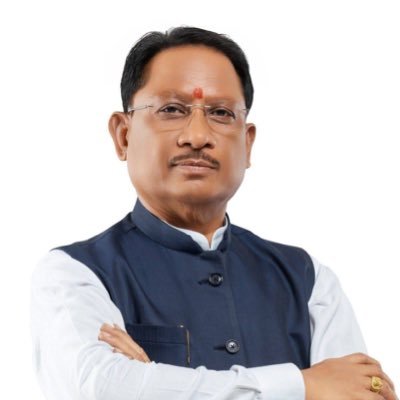
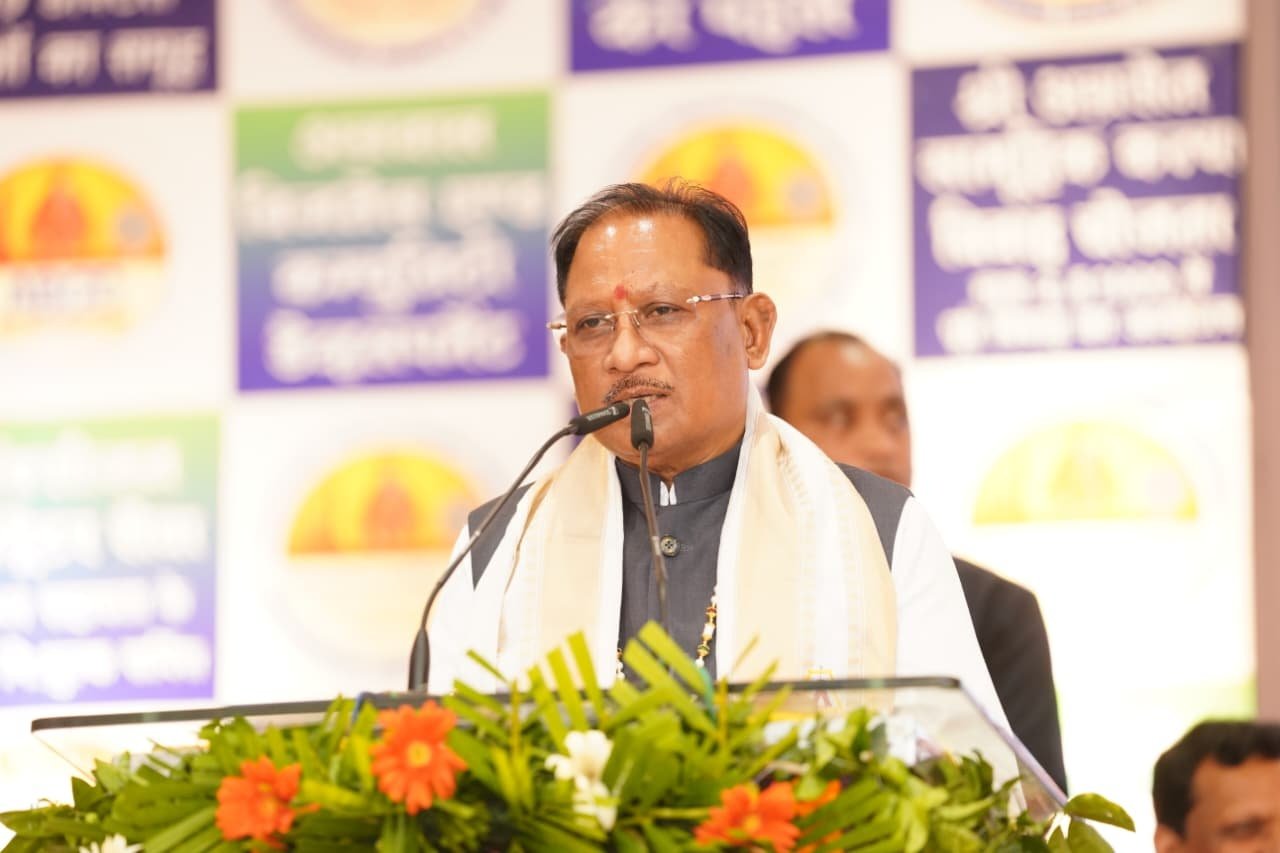
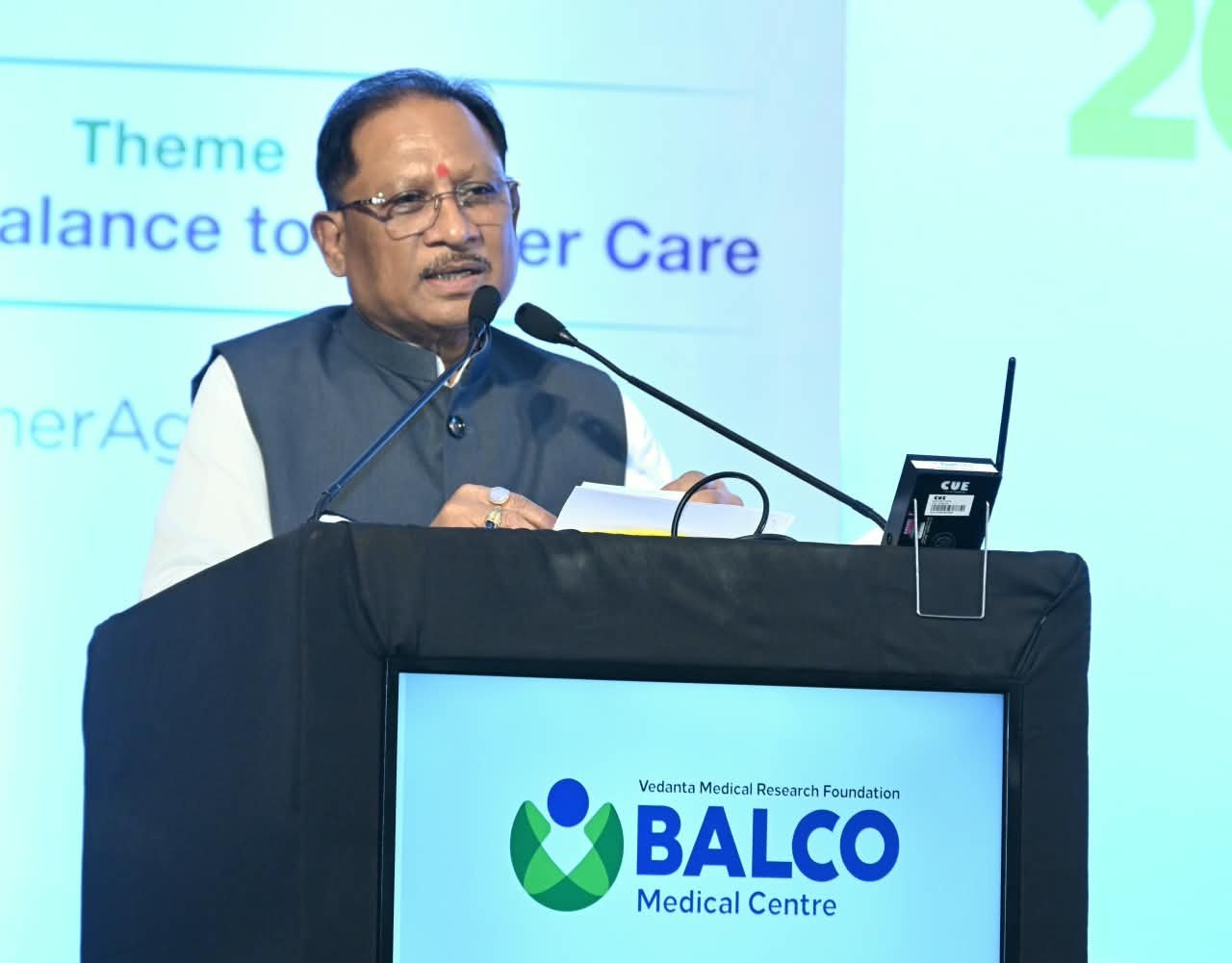
Chief Minister Vishnu Deo Sai addresses the Chhattisgarh Legislative Assembly during the discussion on the no-confidence motion on Friday July 17, 2026 , reaffirming his government’s commitment to good governance, inclusive development, transparency, and public welfare while expressing confidence in the people’s continued trust and mandate-Photo credit-channel24india.com (File Photo)
In Short
- CM Sai termed the no-confidence motion a challenge to the people’s mandate rather than the government.
- Highlighted achievements in agriculture, women’s empowerment, tribal welfare and housing.
- Investment proposals exceeding ₹8.23 lakh crore received under the new industrial policy.
- More than ₹18,800 crore transferred to nearly 70 lakh women under Mahtari Vandan Yojana.
- Over 10.40 lakh women have become Lakhpati Didis.
- Digital governance expanded through Seva Setu, offering 528 online public services.
- More than seven crore saplings planted under the ‘Ek Ped Maa Ke Naam’ campaign.
- Reaffirmed commitment to building a developed, secure and prosperous Chhattisgarh
CM Rejects No-Confidence Motion, Says People’s Mandate Reflects Confidence in Governance and Development
Raipur: Chief Minister Vishnu Deo Sai on Friday July 17, 2026 firmly rejected the no-confidence motion moved by the Opposition in the Chhattisgarh Legislative Assembly, describing it as a challenge not merely to the government but to the democratic mandate and confidence reposed by nearly three crore people of the state.
Replying to the debate, the Chief Minister said the people’s verdict in the 2023 Assembly elections, the Lok Sabha elections, and the urban local body polls had repeatedly endorsed the government’s commitment to development, good governance and the guarantees announced by Prime Minister Narendra Modi. He asserted that the state government had fulfilled a substantial portion of these commitments during its first two and a half years in office.
Welfare at the Centre of Governance
The Chief Minister said the government’s policies have focused on improving the lives of farmers, women, youth, tribal communities, poor families and every section of society.
Among the key welfare measures highlighted were procurement of paddy at ₹3,100 per quintal, payment of two years’ pending paddy bonus, implementation of the Mahtari Vandan Yojana, under which more than ₹18,800 crore has been transferred to nearly 70 lakh women, and accelerated implementation of the Pradhan Mantri Awas Yojana for economically weaker families.
Women’s Empowerment Gains Momentum
CM Sai said women have become central partners in the state’s development journey. Besides the Mahtari Vandan Yojana, more than 10.40 lakh women have become Lakhpati Didis, strengthening household incomes and financial independence.
To promote women’s property ownership, the government has reduced registration charges by 50 per cent and provided a one per cent concession in stamp duty. Self-help groups have also been provided renewed livelihood opportunities, further strengthening rural women’s economic participation.
Focus on Agriculture and Irrigation
The Chief Minister said the government has taken several measures to enhance agricultural productivity and farmers’ incomes, including the Krishak Unnati Yojana, interest-free crop loans, crop diversification initiatives, improved fertiliser availability and expansion of irrigation infrastructure.
He added that record administrative approvals have been granted for irrigation projects, resulting in significant growth in irrigation capacity across the state.
Priority for Tribal Development
Highlighting initiatives for tribal welfare, Sai said the government increased remuneration for tendu leaf collectors, revived the Charan Paduka Scheme, and introduced measures benefiting forest rights holders.
He noted that programmes such as the Dharti Aaba Janjatiya Gram Utkarsh Abhiyan and the Pradhan Mantri Janman Yojana are extending roads, electricity, drinking water, housing and healthcare facilities to remote tribal villages and Particularly Vulnerable Tribal Groups (PVTGs).
Additional initiatives include expansion of the Tribal Youth Hostel in Delhi, hosting the Khelo India Tribal Games, and developing institutions dedicated to preserving tribal heritage and honouring freedom fighter Shaheed Veer Narayan Singh
Security and Peace in Naxal-Affected Areas
The Chief Minister said the government has made significant progress in improving law and order and countering Left Wing Extremism through a strategy combining security operations, development initiatives and public participation.
He credited Prime Minister Narendra Modi and Union Home Minister Amit Shah for their guidance in strengthening anti-Naxal efforts. He also highlighted the implementation of the Police Commissionerate System in Raipur and the establishment of new cyber police stations to tackle emerging digital crimes.
Investment-Led Economic Growth
According to the Chief Minister, Chhattisgarh’s new industrial policy has strengthened investor confidence.
He said domestic and international investment summits have attracted proposals worth more than ₹8.23 lakh crore, expected to generate substantial employment opportunities. Investments are being encouraged in sectors including textiles, semiconductors, artificial intelligence, AI-SEZs, data centres and electronics manufacturing.
Energy Sector Expansion
The Chief Minister said the government has focused on expanding power generation, transmission, distribution and renewable energy.
Under the PM Surya Ghar Muft Bijli Yojana, solar installations have been completed in more than 76,000 households, while the Chief Minister Electricity Bill Resolution Scheme has benefited over 12 lakh consumers.
He added that large-scale energisation of agricultural pumps has been undertaken and that Chhattisgarh ranks first in the country in Plant Load Factor (PLF). Work is also progressing rapidly on thermal power, pumped storage and solar energy projects.
Transparent Mining and Digital Governance
The Chief Minister said the state has strengthened transparency in mineral resource management through Mineral Online 2.0 and the DMF Portal 2.0, while recording its highest-ever mineral revenue.
More than 82,000 development works have been completed using District Mineral Foundation funds. Transparent auction of mineral blocks, development of strategic minerals such as lithium, a new sand mining policy, strict action against illegal mining and large-scale plantation drives were also highlighted.
Digital Infrastructure, Education and Healthcare
Sai said 829 mobile towers have been installed in remote areas, while BharatNet Phase 3.0 is connecting thousands of gram panchayats with high-speed internet.
In education, rationalisation has addressed teacher shortages in schools, while the Ayushman Bharat programme has expanded health coverage to most families in the state.
Administrative Reforms Driving Good Governance
The Chief Minister highlighted governance reforms undertaken through digital platforms.
Under Seva Setu, 528 public services from 36 departments are now available online. Initiatives such as e-District, Auto Mutation, Smart Registration Offices, and the Chief Minister Helpline 1076 are improving service delivery with greater transparency and efficiency.
He said the government has implemented 435 administrative reforms, positioning Chhattisgarh as a model of good governance.
Environmental and Cultural Commitments
The Chief Minister said environmental conservation remains a major priority. More than seven crore saplings have been planted under the ‘Ek Ped Maa Ke Naam’ campaign.
He also highlighted the success of the Shri Ram Lalla Darshan Yojana, through which thousands of devotees have visited Ayodhya, strengthening the state’s cultural and spiritual connections.
Concluding his address, Chief Minister Vishnu Deo Sai expressed confidence that the people of Chhattisgarh continue to place their trust in the government and reaffirmed his administration’s commitment to achieving the vision of a developed, inclusive and prosperous Chhattisgarh, he added.