Kumar Bahukhandi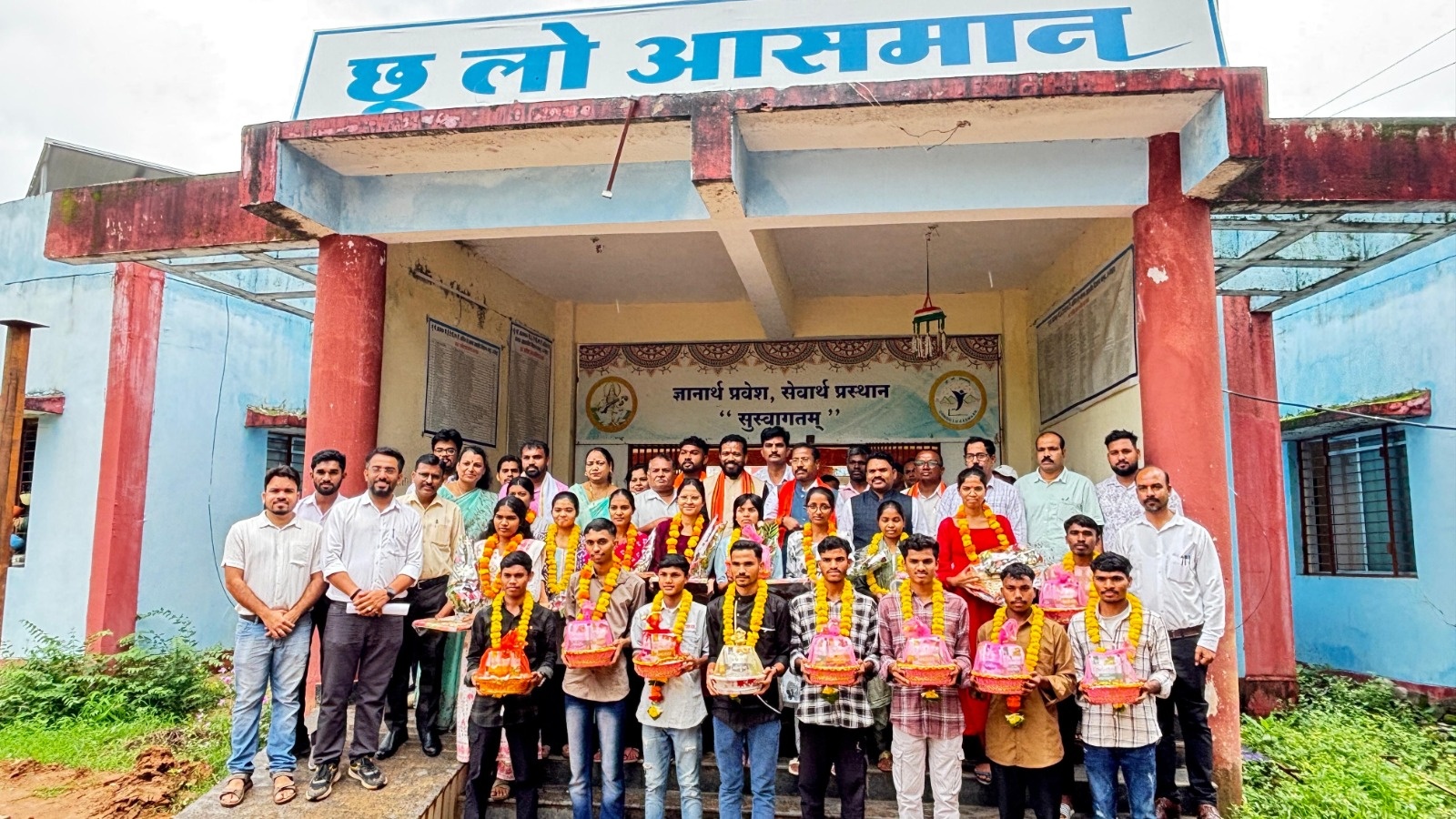
A moment of renewed hope in Bijapur’s Pidiya village as students, teachers and local residents gather at the school that has reopened after 21 years, symbolising the return of education, government outreach and development in a region once affected by Naxal violence-Photo Credit-channel24india.com via CG/PR
IN Short
- Pidiya village in Bijapur continues its transition from a Naxal-affected area to a development-focused village.
- Village school reopens after 21 years, restoring access to education.
- 84 children are now attending classes regularly.
- First-ever Aadhaar enrolment and update camp organised in the village.
- More than 80 villagers receive Aadhaar registration or updates.
- Improved road connectivity enables regular administrative outreach.
- Aadhaar access expected to improve delivery of ration, healthcare and welfare schemes.
- The transformation reflects growing public confidence, improved governance and expanding development in the region.
Bijapur village embraces education, identity and development as peace paves the way for a new beginning
Raipur: For more than two decades, the silence in Pidiya village of Bijapur district symbolised the impact of conflict. Today, that silence has been replaced by the voices of schoolchildren, the arrival of government services and a renewed sense of hope. Once affected by Naxal violence, Pidiya Gram Panchayat in Gangalur tehsil is steadily transforming into a symbol of peace-led development.
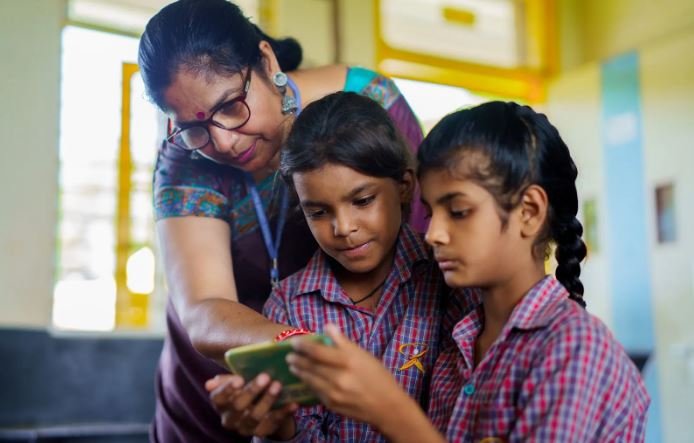
The most significant milestone in this transformation is the reopening of the village school after 21 years. The school, which had remained closed because of prolonged security concerns, has resumed classes, bringing education back to the village. At present, 84 children are attending school regularly, marking a new chapter for an entire generation that had been deprived of formal education within their own village.
Improved accessibility has also accelerated administrative outreach. With road connectivity improving, government officials are now able to reach Pidiya more frequently, enabling public services that were once unimaginable in the remote village.
In a first for the village, the district administration organised a special Aadhaar enrolment and update camp, ensuring that residents could obtain essential identity documents required to access government welfare schemes. Despite difficult terrain and limited network connectivity, villagers participated enthusiastically in the initiative. More than 80 residents, including women, senior citizens and children, successfully completed Aadhaar enrolment or updates.
For villagers, the Aadhaar camp represented far more than a documentation exercise. It marked easier access to food security programmes, healthcare benefits, pensions and other government welfare initiatives. Officials described the initiative as another step towards ensuring that governance reaches even the remotest settlements.
Residents say the atmosphere in the village has changed significantly. Where uncertainty once limited daily life and public services, they now see increasing administrative presence, educational opportunities and development activities gradually restoring confidence among local families.
The reopening of the school and the successful Aadhaar drive together reflect a broader transition—from isolation to inclusion, from fear to opportunity. As classrooms reopen and government services reach people’s doorsteps, Pidiya is steadily writing a new story of development in one of Chhattisgarh’s most challenging regions.