Kumar Bahukhandi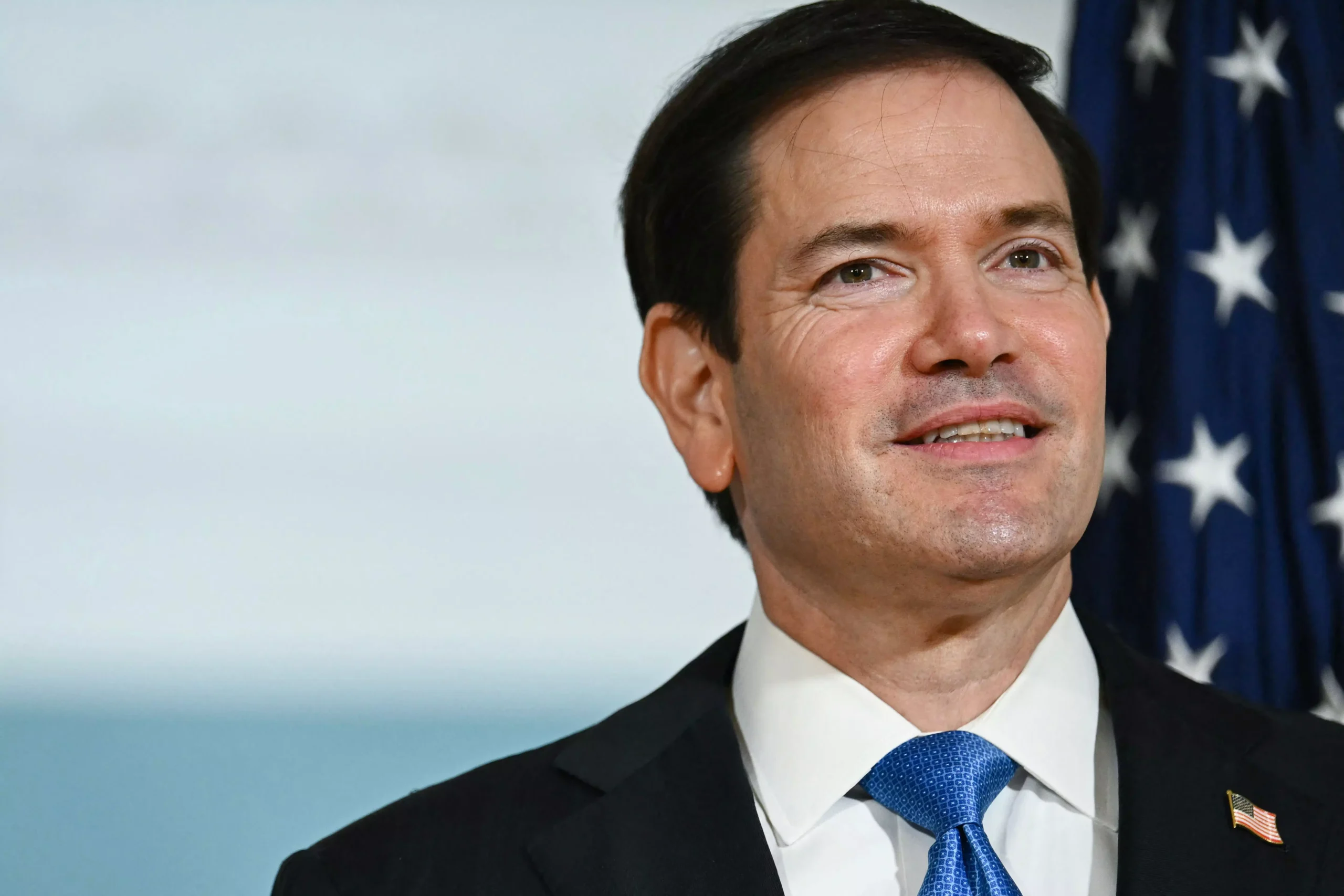
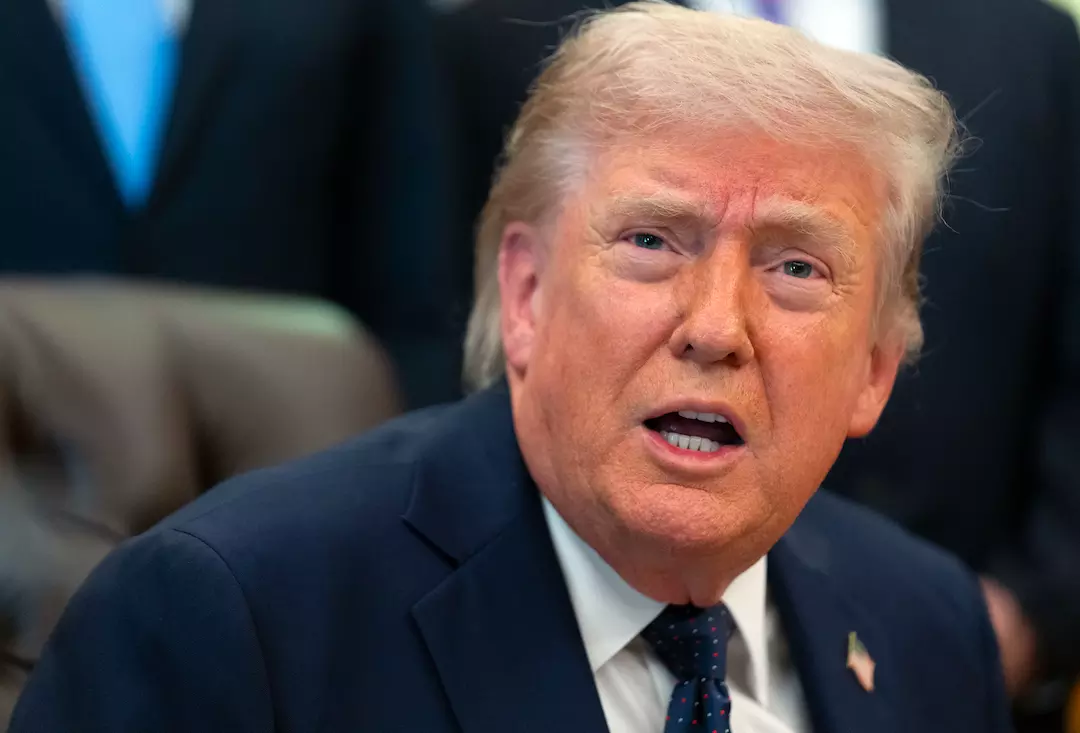
US Secretary of State Marco Rubio says he does not believe India and Iran are negotiating a trade deal, but warns that countries helping Tehran circumvent American sanctions could themselves face sanctions. (Photo: Kent Nishimura/AFP)
US Secretary of State responds to Modi-Pezeshkian meeting at SCO Summit as New Delhi seeks broader trade ties with Tehran while maintaining its call for dialogue and regional stability
Key Highlights
- Rubio says he does not believe India and Iran are negotiating a trade deal.
- US warns countries against helping Iran circumvent American sanctions.
- Modi and Pezeshkian discussed bilateral relations and developments in West Asia in Bishkek.
- India has expressed interest in expanding and diversifying trade with Iran.
- Modi reiterates India’s position that regional disputes should be addressed through dialogue and diplomacy.
- India stresses protection of commercial shipping, seafarers and freedom of navigation.
Washington: US Secretary of State Marco Rubio has said he does not believe India and Iran are negotiating a trade deal, while warning that countries helping Tehran circumvent American sanctions could themselves face punitive measures.
Rubio’s remarks came after Prime Minister Narendra Modi met Iranian President Masoud Pezeshkian on the sidelines of the 26th Shanghai Cooperation Organisation (SCO) Summit in Bishkek, Kyrgyzstan, where the two leaders discussed bilateral relations as well as developments in West Asia.
During an interview with Brian Kilmeade, Rubio was asked whether the Modi-Pezeshkian meeting indicated that India and Iran were preparing some form of trade arrangement.
“Well, I don’t think there’s a trade deal between India and Iran.” — Marco Rubio
Rubio acknowledged that countries formulate their own foreign policies and that governments around the world maintain contacts with Tehran. He, however, drew a distinction between diplomatic engagement with Iran and economic arrangements intended to bypass US sanctions.
The Secretary of State said Washington’s position was that countries should not help Iran establish mechanisms for circumventing sanctions and generating revenue. He warned that governments choosing to facilitate such arrangements could themselves face US sanctions.
India Looks to Broaden Ties with Iran
The US comments put renewed attention on India’s engagement with Iran at a time when New Delhi is balancing its long-standing relationship with Tehran against continuing geopolitical tensions in West Asia.
During their meeting in Bishkek, Modi and Pezeshkian reviewed bilateral ties and exchanged views on developments in the region. India reiterated its concern over escalating tensions and maintained that outstanding issues should be resolved through dialogue and diplomacy.
Modi also stressed the importance of safeguarding freedom of navigation and commerce, particularly amid instability affecting vital maritime routes. He underlined that civilians and civilian infrastructure, including commercial shipping and seafarers, must remain protected.
The Prime Minister has separately indicated India’s intention to broaden its economic engagement with Iran, saying New Delhi wants to expand and diversify the bilateral trade basket. That expression of intent, however, is different from the negotiation of a formal India-Iran trade agreement — the distinction at the centre of Rubio’s response.
India and Iran also discussed cooperation through multilateral organisations, including BRICS and the SCO. Modi conveyed that he looked forward to welcoming Pezeshkian to India for the forthcoming BRICS Summit.
Rubio’s remarks therefore highlight the increasingly delicate diplomatic space in which India is operating: maintaining engagement with an important regional partner and pursuing its economic interests while avoiding transactions that could run afoul of US sanctions.