Kumar Bahukhandi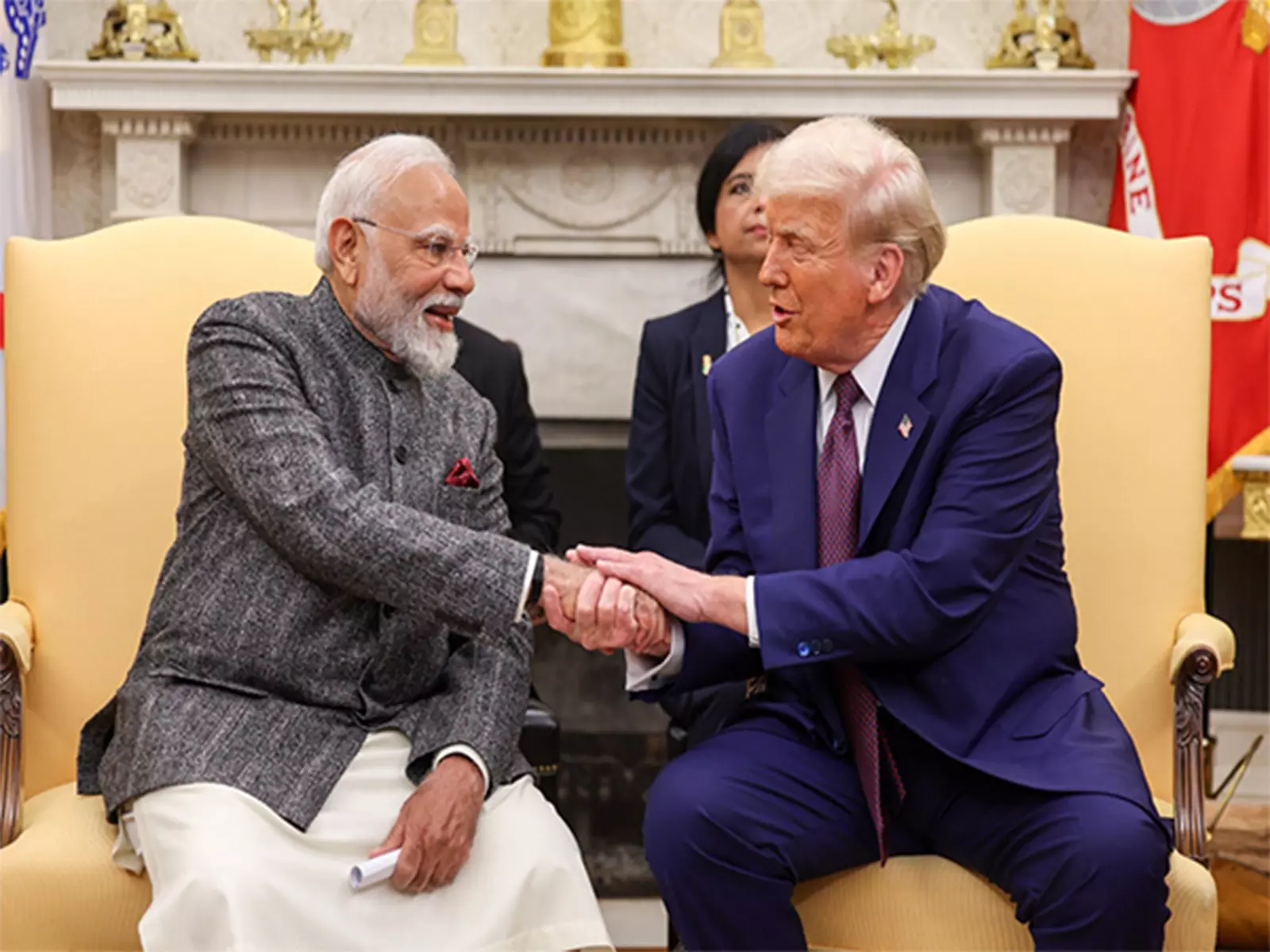
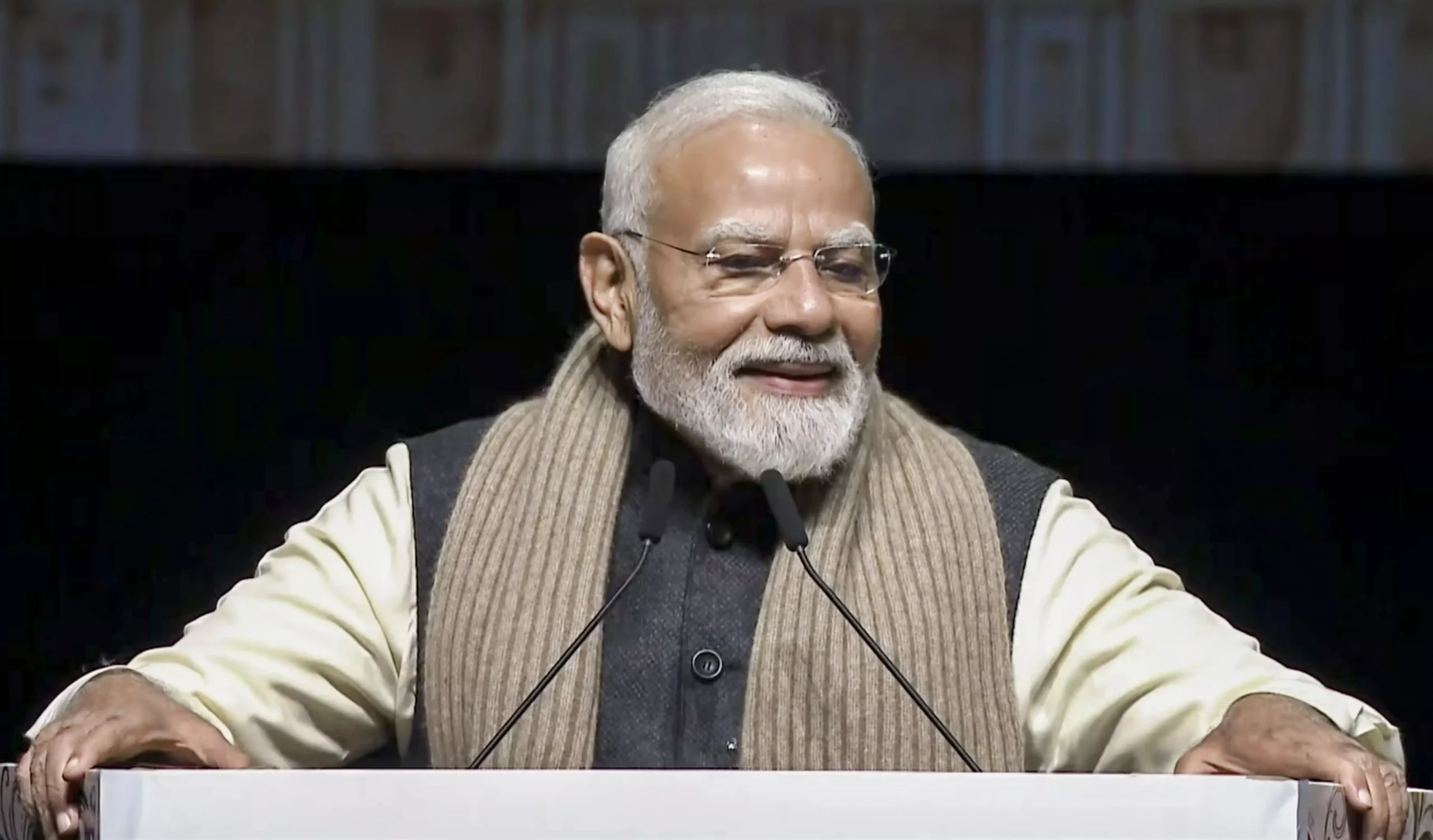
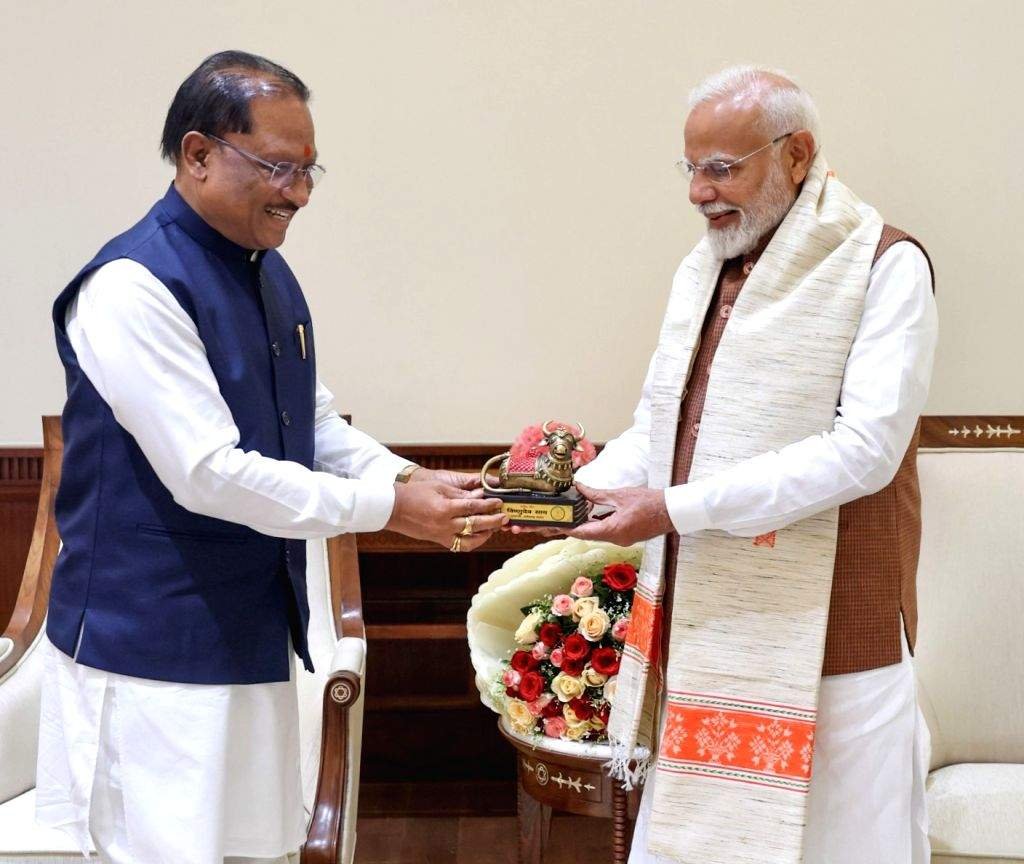
Counter-Narcotics Cooperation: Prime Minister Narendra Modi with US President Donald Trump. Trump has welcomed the Modi government’s efforts to curb illicit opium poppy cultivation and strengthen supply-chain integrity, even as India remains among 23 countries on the US list of major drug-producing or transit nations for fiscal year 2027. (File Photo)
Washington names India among 23 major illicit drug-producing or transit countries for 2027, but stresses that inclusion does not mean New Delhi has failed in its anti-narcotics efforts
Key Highlights
- The United States has included India among 23 major illicit drug-producing or drug-transit countries for fiscal year 2027.
- Trump specifically welcomed the Modi government’s efforts against illicit opium poppy cultivation and to strengthen supply-chain integrity.
- Washington says inclusion on the list does not automatically indicate failure by the country’s government to combat narcotics.
- India is not among the four countries — Afghanistan, Bolivia, Burma and Colombia — designated by the US as having “failed demonstrably” in meeting counter-narcotics obligations.
- Trump said Washington looks forward to continued cooperation with New Delhi through the United States-India Drug Policy Framework.
Washington (DD) : US President Donald Trump has praised Prime Minister Narendra Modi and the Indian government for efforts to curb illicit opium poppy cultivation, even as India remains on Washington’s list of major illicit drug-producing or drug-transit countries for fiscal year 2027 on Thursday , September 17, 2026 .
In a Presidential Determination submitted to the US Congress on September 15, the Trump administration identified 23 countries, including India, China and Pakistan, as major drug-transit or major illicit drug-producing countries. The White House made the designation public this week.
Trump, however, specifically acknowledged India’s counter-narcotics efforts.
“I welcome Prime Minister Modi and the Government of India’s efforts to address illicit opium poppy cultivation and bolster supply chain integrity,” Trump said in the determination.
He added that he looked forward to continued cooperation through the United States-India Drug Policy Framework.
Why India Remains on the List
India’s continued inclusion may appear contradictory to Trump’s praise, but the US designation carries an important qualification.
Washington says inclusion on the “Major’s List” does not necessarily indicate that a country’s government has failed in its counter-narcotics efforts. The determination takes into account geographical, commercial and economic factors that allow illicit drugs or precursor chemicals to be produced or transported through a country’s territory, including circumstances beyond a government’s control.
The 2027 list comprises Afghanistan, The Bahamas, Belize, Bolivia, Burma, China, Colombia, Costa Rica, the Dominican Republic, Ecuador, El Salvador, Guatemala, Haiti, Honduras, India, Jamaica, Laos, Mexico, Nicaragua, Pakistan, Panama, Peru and Venezuela.
A more serious US classification applies to countries determined to have “failed demonstrably” during the previous 12 months to make substantial efforts to meet their international counter-narcotics obligations.
For fiscal year 2027, the United States placed Afghanistan, Bolivia, Burma and Colombia in that category. India is not among them.
India-US Cooperation Against Narcotics
Trump’s reference to India’s action against illicit opium cultivation comes as Washington continues to make disruption of international narcotics networks a major element of its drug-control strategy.
The administration’s 2026 National Drug Control Strategy places emphasis on stopping illicit drugs and precursor chemicals from entering the United States and strengthening international and domestic enforcement mechanisms.
Against that background, Trump’s remarks indicate that Washington distinguishes India’s presence on the statutory list from its assessment of the Indian government’s current counter-narcotics cooperation.
The combination of the two messages is therefore significant: India continues to be identified by the United States as an important country in the international drug-production or transit landscape, while its government is simultaneously being credited by Washington for action against illicit opium cultivation and supply-chain vulnerabilities.