Kumar Bahukhandi
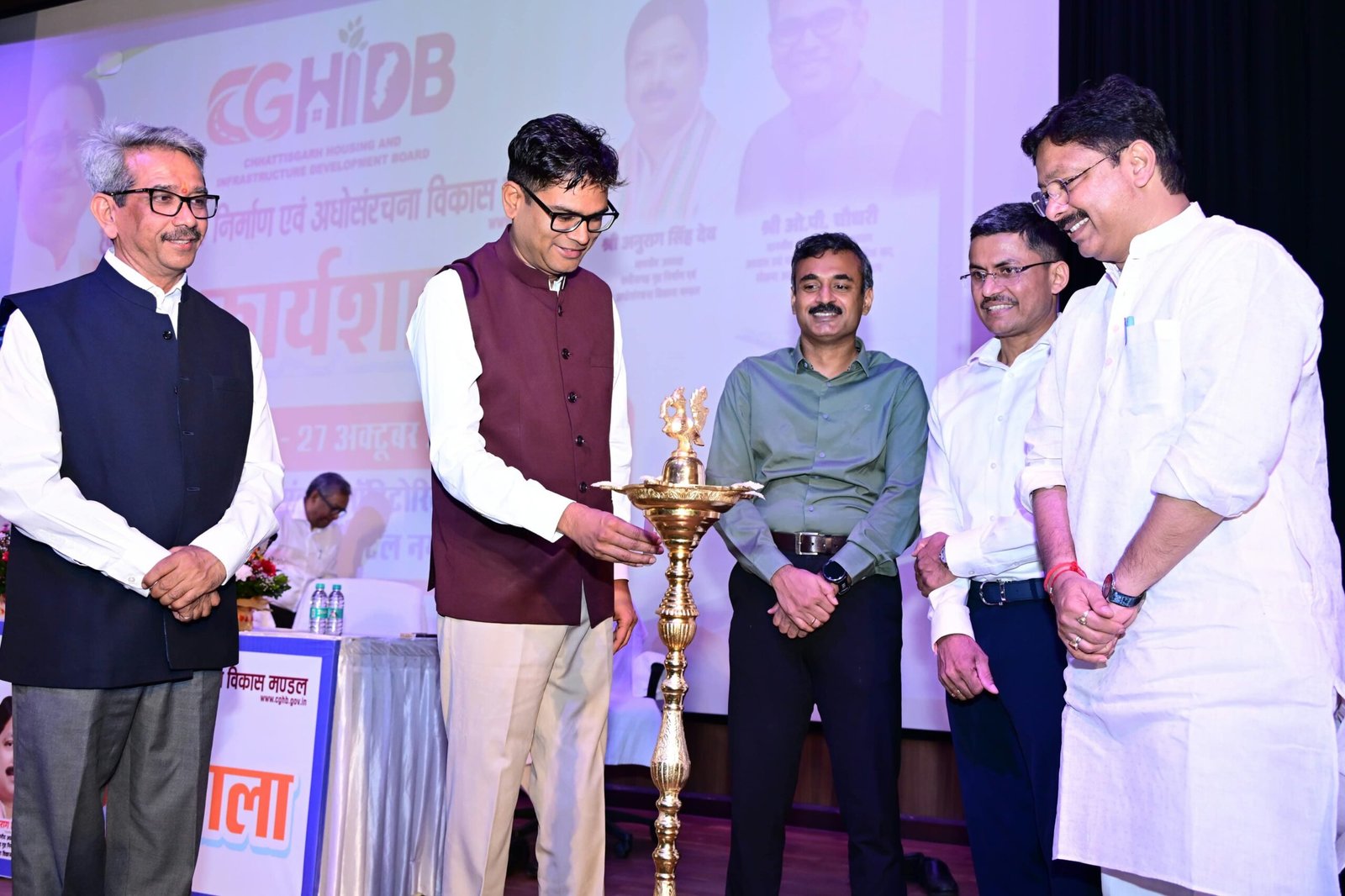
Finance, Housing and Environment Minister O.P. Choudhary lights the ceremonial lamp at the state-level technical training workshop of the Chhattisgarh Housing and Infrastructure Development Board in Nava Raipur on Tuesday, October 27, 2026. Other dignitaries are seen alongside him. (Photo: channel24india.com via CG/DPR)
Minister outlines wider role in roads, bridges, sports infrastructure and urban redevelopment; board reports progress in reducing debt and selling vacant properties
Key Highlights
- O.P. Choudhary called for the Housing Board to grow into a financially self-reliant, multi-purpose infrastructure development institution.
- The minister said approximately ₹700 crore in outstanding loan liabilities had been cleared.
- New housing projects will be linked to booking requirements intended to reflect demand and reduce financial risk.
- The board has been encouraged to develop expertise in roads, bridges, public buildings and sports infrastructure.
- Choudhary highlighted town planning schemes, public-private partnerships and redevelopment as ways to mobilise resources.
- Board Chairman Anurag Singh Deo said approximately 8,000 properties had been sold, generating ₹1,800 crore in revenue.
Raipur: Chhattisgarh’s Housing and Infrastructure Development Board will play a larger role in the state’s economic and infrastructure development, extending its work beyond housing to roads, bridges, sports facilities, public buildings and urban redevelopment, Finance, Housing and Environment Minister O.P. Choudhary said on Tuesday, October 27, 2026.
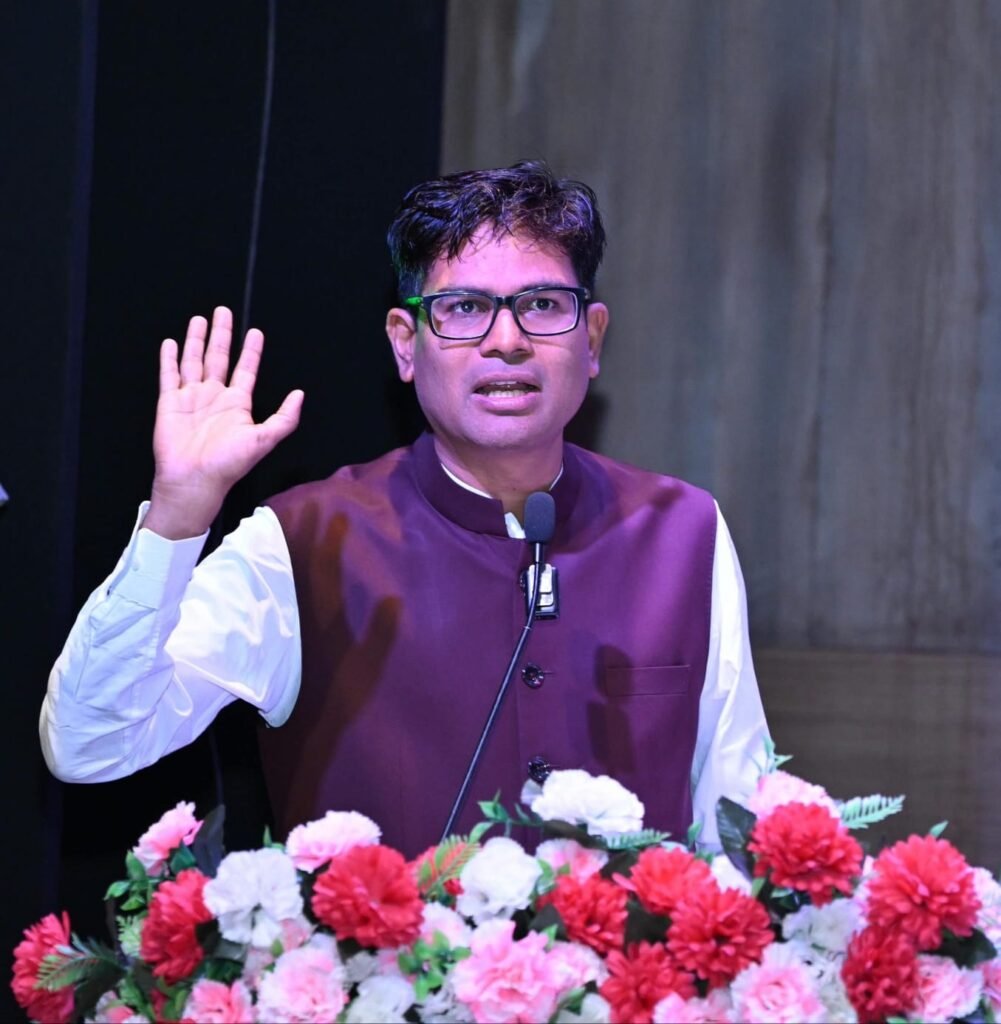
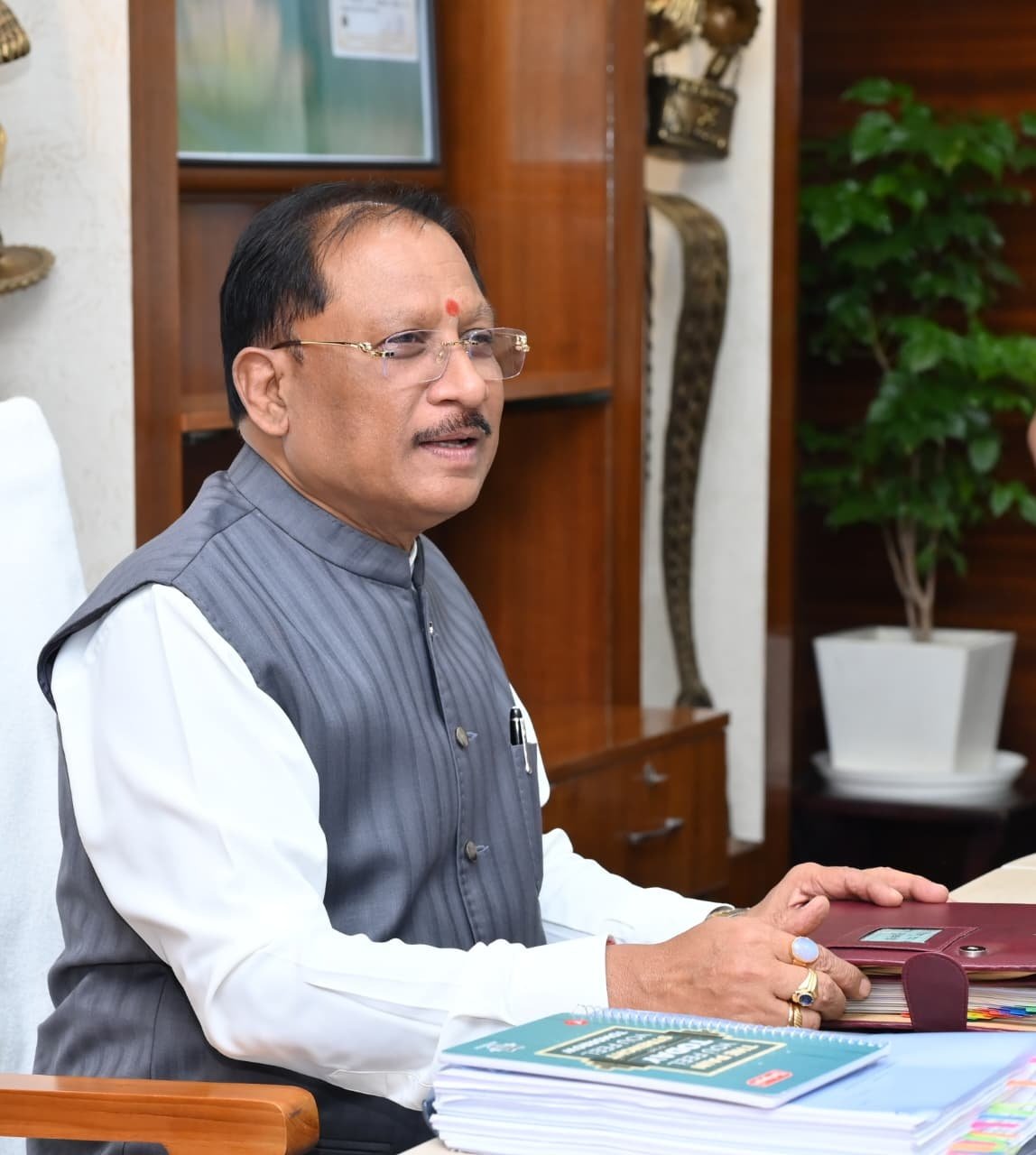
Minister O.P. Choudhary addresses the Housing and Infrastructure Development Board’s state-level technical training workshop in Nava Raipur on Tuesday, October 27, 2026. (Photo: channel24india.com via CG/DPR)
Addressing a state-level technical training workshop at the Chhattisgarh Samvad auditorium in Nava Raipur, Choudhary urged the board’s officers and employees to adopt modern technology, sound financial management, innovation and a results-oriented work culture to contribute to the vision of a developed Chhattisgarh by 2047.
The workshop was organised by the Chhattisgarh Housing and Infrastructure Development Board to strengthen the technical, administrative and financial capabilities of its personnel and familiarise them with new construction techniques and development models.
Choudhary’s statements below are translated and rendered from the Hindi press note supplied.
Board’s role to extend beyond housing
Choudhary said the board had experienced engineers, technical officers and employees whose expertise could be used across a wider range of projects.
He said the institution should build its capacity to undertake roads, bridges, sports complexes, stadiums and public buildings, and encouraged officials to develop the competitiveness needed to participate in tenders outside Chhattisgarh.
The minister suggested that the board work towards securing projects in other states over the next two years. Such work, he said, could strengthen its income and give its technical capabilities wider recognition.
₹700 crore in loan liabilities cleared
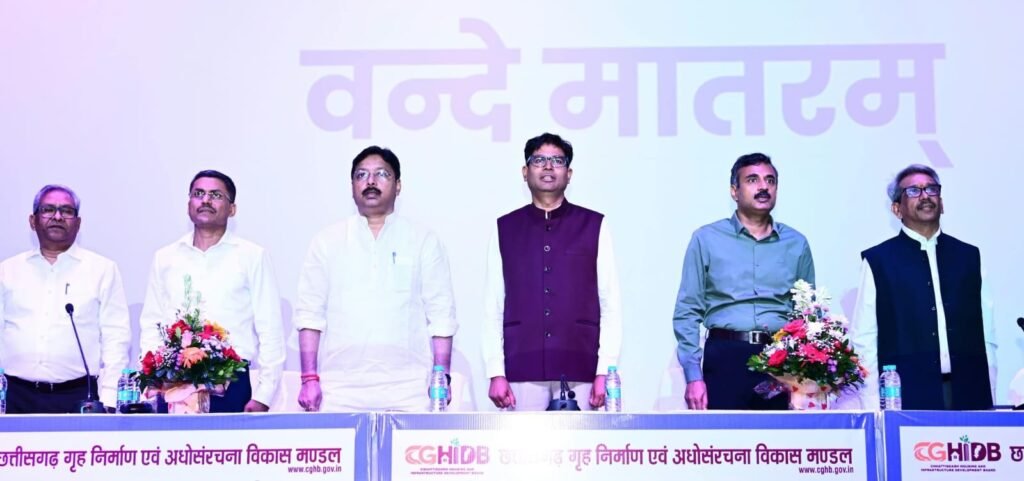
Minister O.P. Choudhary stands with dignitaries on the dais during the Housing Board’s state-level technical training workshop in Nava Raipur on Tuesday, October 27, 2026. (Photo: channel24india.com via CG/DPR)
Describing the board’s earlier financial difficulties, Choudhary said outstanding loans, a limited project portfolio and properties that remained vacant for long periods had placed pressure on its finances.
The minister said the state government, with support from the Finance Department, had taken a decision that cleared approximately ₹700 crore in outstanding loan liabilities. This, he said, had eased the burden on the institution and given it an opportunity to pursue new projects.
Choudhary stressed that the board was not a budget-based institution and would need to generate income through its projects, services and resources. He said its long-term strength would depend on financial self-reliance.
OTS scheme and demand-based housing
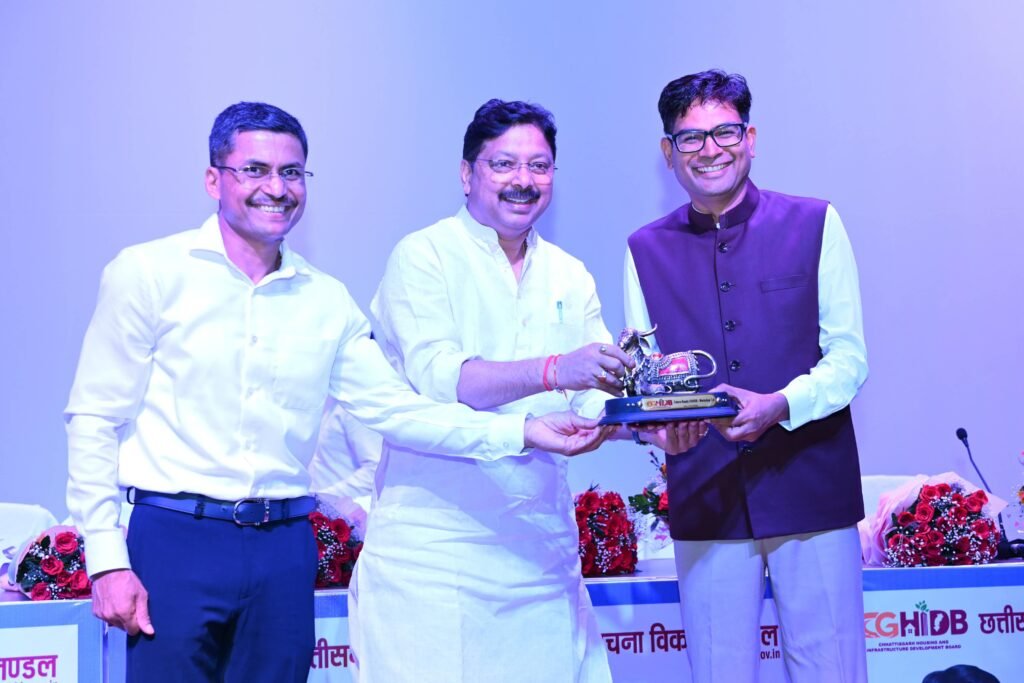
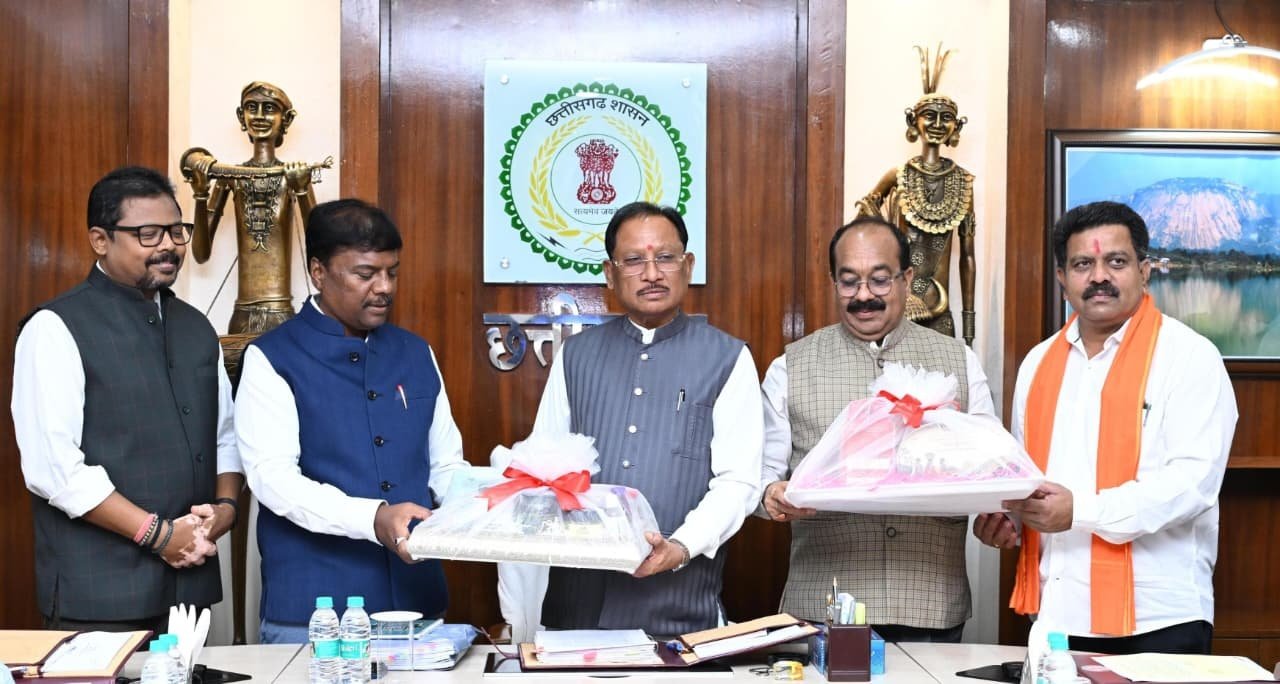
Minister O.P. Choudhary receives a memento from dignitaries at the Housing and Infrastructure Development Board’s workshop in Nava Raipur on Tuesday, October 27, 2026. (Photo:channel24india.com via CG/DPR)
The minister said a one-time settlement (OTS) scheme, combined with discounts, marketing and regular monitoring, had helped accelerate the sale of properties that had remained vacant for years.
He appreciated the efforts of Board Chairman Anurag Singh Deo, officers and employees in improving property sales and the use of available resources.
Choudhary said some housing projects had previously been launched without an adequate assessment of demand, leaving homes vacant and capital tied up. To reduce that risk, he said, the revised process links tendering to a requirement of 30 per cent booking within the initial three months or 60 per cent overall booking.
He urged officials to pay attention to location, construction quality, cost, amenities and marketing, and to develop housing that meets citizens’ needs and purchasing capacity.
PPP and town planning schemes
Choudhary said infrastructure development in a growing economy could not rely solely on government budgets. He called for the use of public-private partnerships (PPP), town planning schemes (TPS), redevelopment and other financial models.
Under a town planning scheme, he explained, privately owned land can be developed in a planned manner with roads, water supply and public amenities. After adjustments for development costs and land required for infrastructure, landowners receive developed plots.
The minister said the state had expanded opportunities for the Housing Board, the Chhattisgarh State Industrial Development Corporation and urban local bodies to undertake work under such schemes.
Serikhedi project cited as an example
Choudhary referred to a town planning project in the Serikhedi area, where infrastructure development was estimated to cost approximately ₹800 crore and was being advanced through a PPP model.
He said an initial calculation indicated that around 218 acres would be required to adjust for development costs. Following competitive tendering, the requirement was reduced to approximately 124 acres, making it possible to save around 94 acres, according to the minister.
He said such approaches could reduce direct pressure on the government budget while supporting infrastructure development.
Redevelopment and sports facilities
The minister also asked officials to identify opportunities to make better use of government land in urban areas. Resources generated from commercial use of part of a site could support public facilities such as collectorate buildings, government offices, libraries, parks, stadiums and indoor sports complexes, he said.
On sports infrastructure, Choudhary said construction must be accompanied by proper operation, maintenance and regular use. He referred to Raipur’s international cricket stadium and said major sporting events could also support hotels, transport, tourism, trade and other services.
He mentioned initiatives in Nava Raipur to develop training facilities for badminton, swimming, squash and cricket with the support of established players and specialist institutions.
Board chairman calls for a change in work culture
Board Chairman Anurag Singh Deo said the institution’s expansion into infrastructure development should bring a change in its outlook and responsibilities.
He said officers and employees would need to embrace innovation, technical competence and a results-oriented approach. Experts from institutions including IIM Raipur were contributing to the workshop’s sessions on management, artificial intelligence, technical infrastructure and financial management, he added.
Singh Deo said the board had sold approximately 8,000 properties and earned around ₹1,800 crore in revenue over roughly 18 months. He also referred to new projects worth more than ₹2,000 crore being taken forward.
He said the board’s ambition was to provide planned, modern townships with improved amenities across all 33 districts of Chhattisgarh. These could include parks, markets, community facilities, environmental measures and electric vehicle charging stations.
Training in technology and management
The workshop covered leadership, administration, marketing, good governance, town planning, financial risk management and the board’s institutional development.
Technical sessions also addressed artificial intelligence, online housing and property management, the Right to Information, handover processes for residents’ welfare associations, the strength of reinforced concrete structures and project marketing.
IIM Raipur Director Dr Sanjeev Parashar shared his experience at the workshop. Experts listed for the technical sessions included IIIT Nava Raipur Professor Dr Srinivas K.G. and NIT Raipur Professor Dr G.D. Ramteke.
Housing and Environment Secretary Ankit Anand, Board Commissioner Avnish Sharan, Additional Commissioner Harsh Kumar Joshi and other senior officials, engineers and employees were present