Kumar Bahukhandi
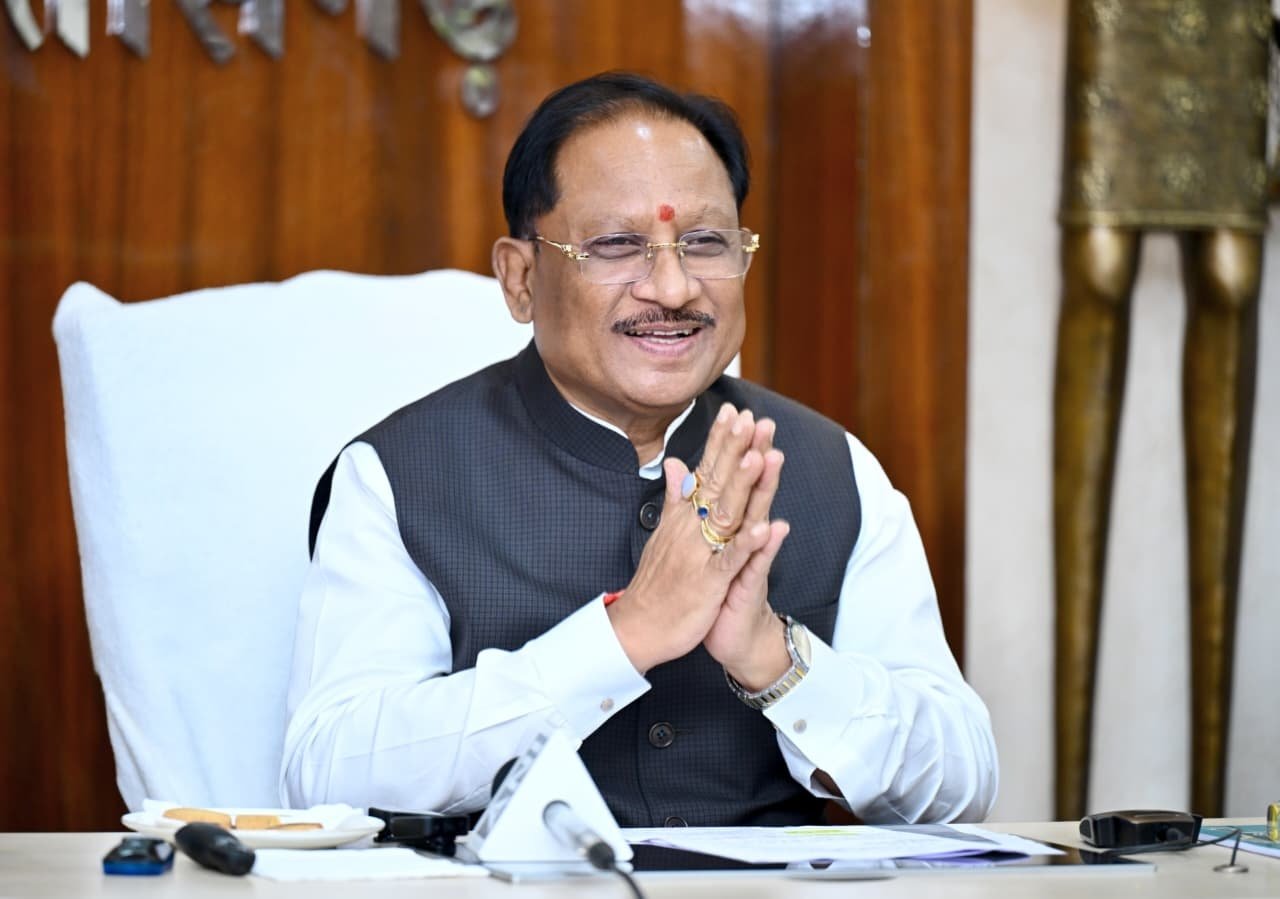
Chhattisgarh Chief Minister Vishnu Deo Sai greets attendees with folded hands at his residence office in Raipur on Wednesday, October 28, 2026. Photo: channel24india.com via CG/CMO
CSR-supported fish and prawn farming initiative projects an average profit of ₹50,000 per pond over six months; another 90 ponds under construction
Key Highlights
- 55 women have been linked to aquaculture through a CSR-supported initiative in Dhamtari district.
- 55 livelihood ponds have been developed, with 90 additional ponds under construction.
- Each pond has been stocked with 1,600 prawn juveniles and 320 Indian major carp seed.
- Estimated profit is ₹50,000 per pond over six months, depending on production, management and market conditions.
- The initiative combines rainwater conservation with fish farming and opportunities for additional household income.
Raipur: Small rainwater-harvesting ponds are being developed as income-generating assets for rural women in Chhattisgarh’s Dhamtari district, where a corporate social responsibility-supported initiative has connected 55 women with fish and prawn farming.
According to a government release issued on Wednesday, October 28, 2026, 55 livelihood ponds have been developed, while another 90 are under construction. The initiative aims to help women earn additional income within their villages while making productive use of local water resources.
Water Conservation Meets Income Generation
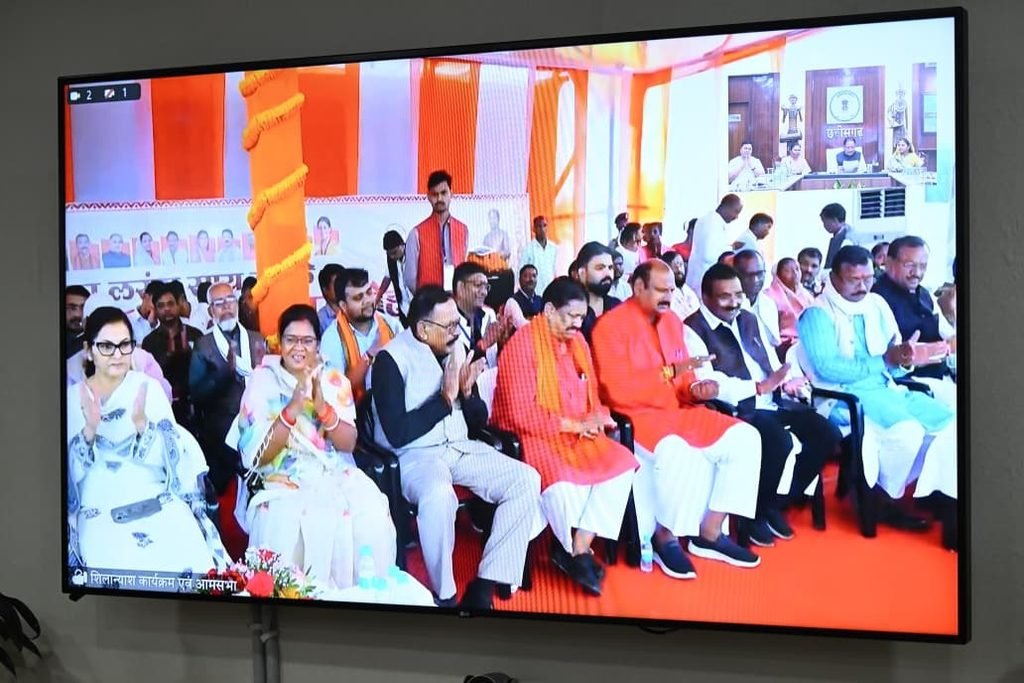
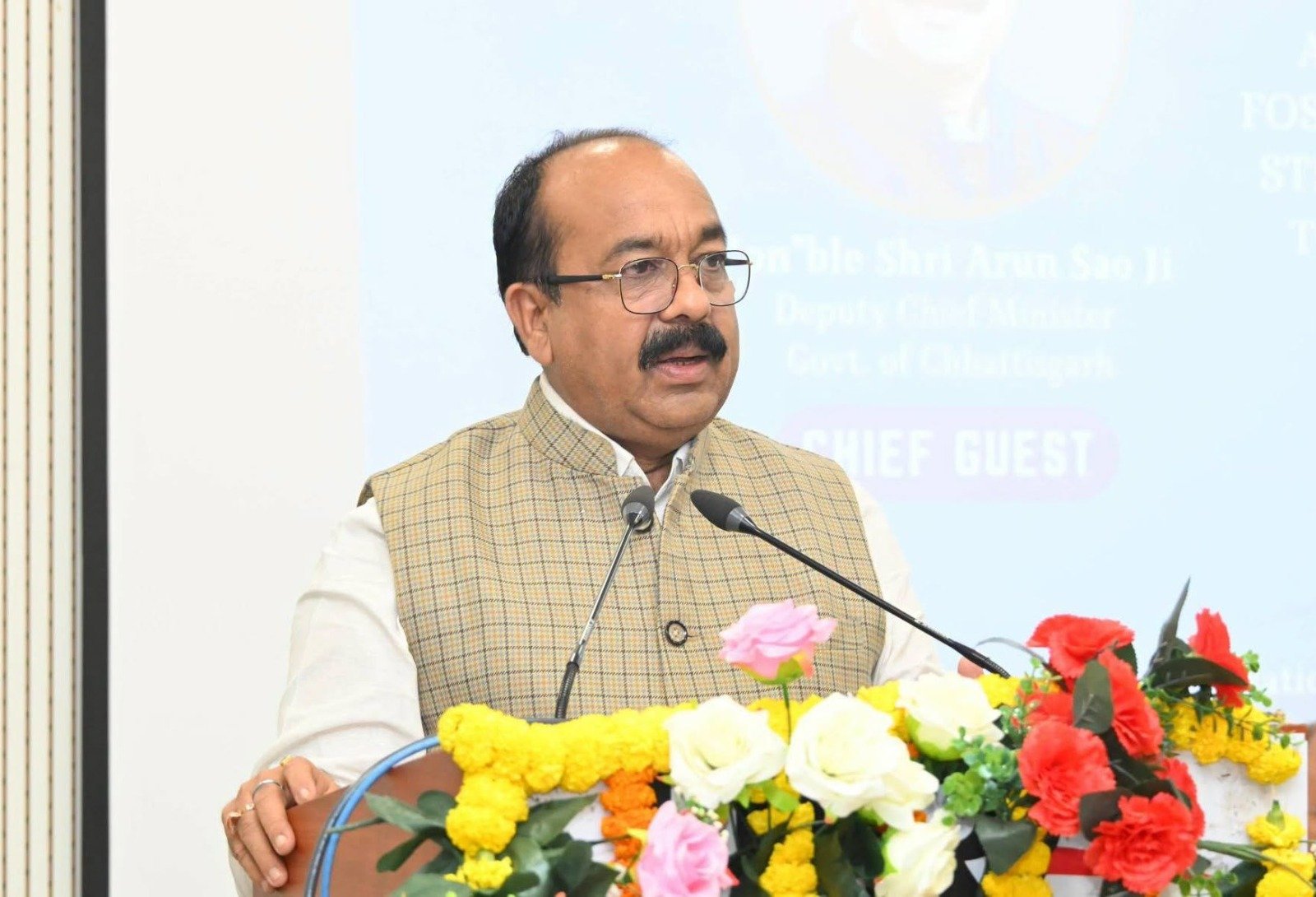
Dignitaries and public representatives attend a foundation-stone laying programme and public meeting, shown on a video-conference screen, with Chief Minister Vishnu Deo Sai visible in the inset, on Wednesday, October 28, 2026. Photo: channel24india.com via CG/CMO
Livelihood ponds collect rainwater that can support fish farming and, where water availability permits, vegetable cultivation and crop irrigation.
Rural families are diversifying their earnings by adding aquaculture to agriculture and livestock rearing. Fisheries cooperative members are undertaking fish farming collectively, while women’s self-help groups are participating through ponds and Amrit Sarovars.
Pond leases are also being provided to women’s groups, with the Fisheries Department supporting the activities.
These small water bodies serve a dual purpose: conserving rainwater and creating livelihood opportunities. Farmers can use the stored water for fish production as well as agricultural needs, depending on availability.
Expansion Across Dhamtari Villages
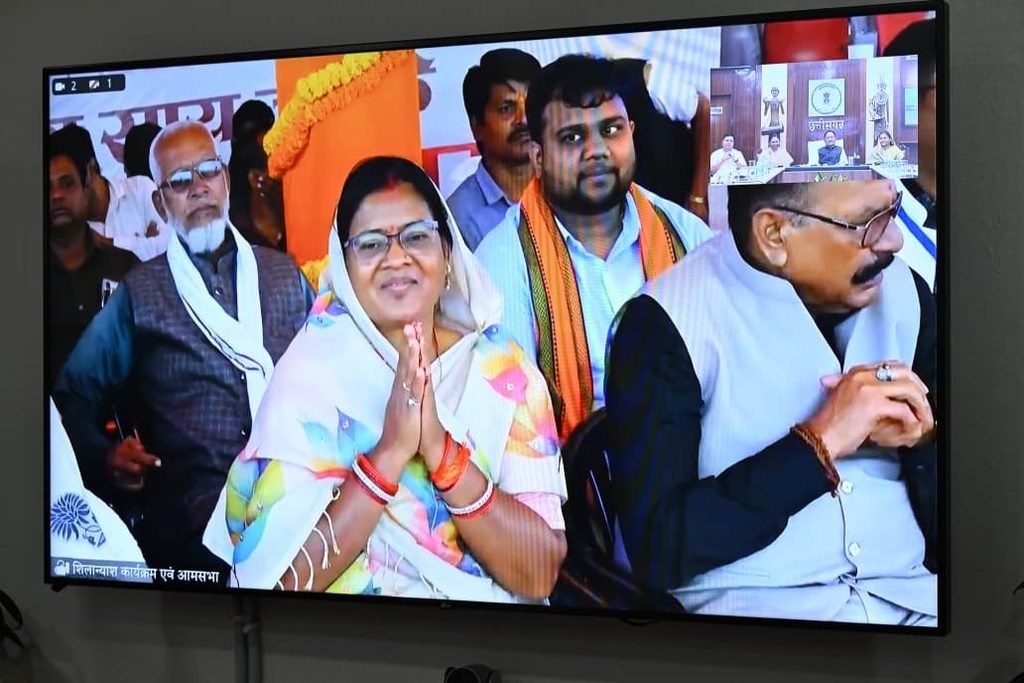
A woman participant greets Chief Minister Vishnu Deo Sai with folded hands during a video-conference interaction at a foundation-stone laying programme and public meeting on Wednesday, October 28, 2026. Photo: channel24india.com via CG/CMO
The initiative covers villages including Bhukhapara, Madamsilli, Bindrapali, Dabrinala, Chanagaon and Chhindauri.
Livelihood ponds are being developed to encourage local self-employment, strengthen household incomes and improve the productive use of natural resources.
CSR support has helped connect 55 women with aquaculture activities. The construction of another 90 ponds is intended to expand these opportunities and enable more rural households to benefit from locally available water resources.
Prawn and Carp Farming Together
Each pond has been stocked with 1,600 prawn juveniles and 320 Indian major carp seed, according to the release.
The combined activity is intended to support production and livelihood development through the planned use of water resources. The release also reports fish weights ranging from approximately 800 grams to one kilogram.
An average profit of ₹50,000 per pond over six months has been projected. Actual returns will depend on production, water quality, pond management, market prices and sales.
Opportunities Close to Home
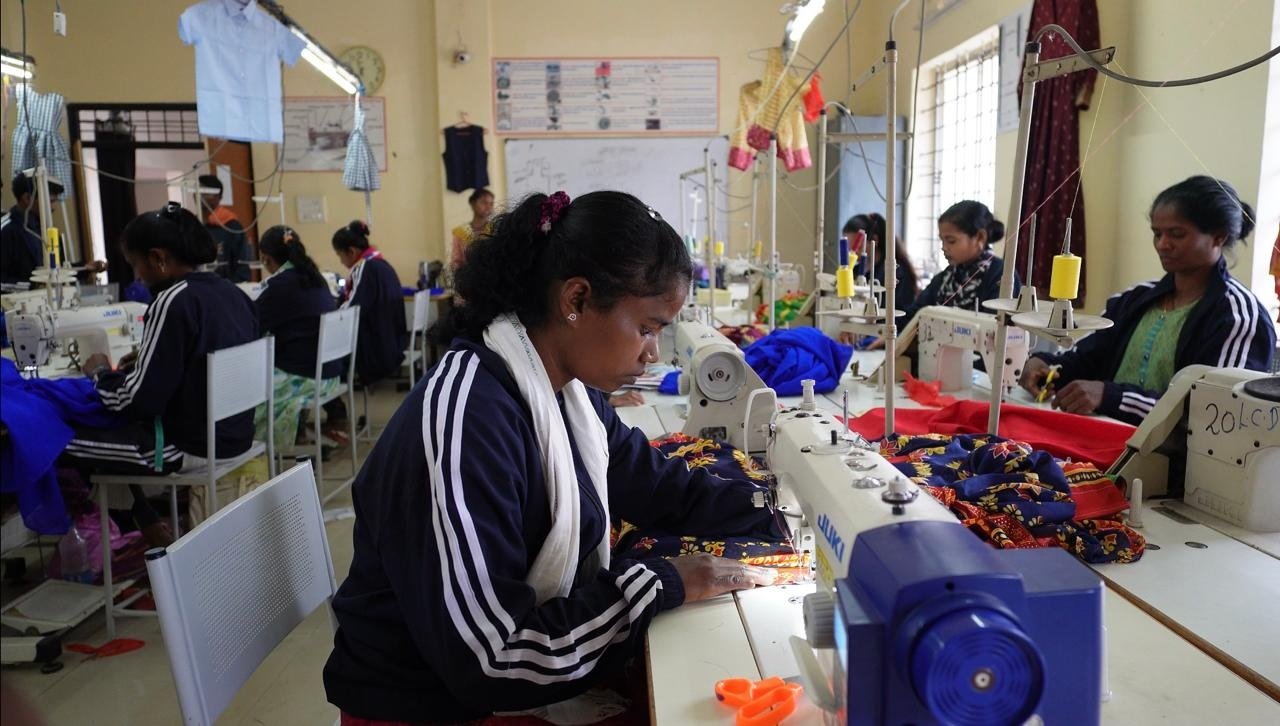
Aquaculture offers women an additional livelihood option alongside their existing activities. Local production enables them to participate in economic activities within their villages and contribute more to household needs.
The initiative is expected to strengthen women’s confidence in self-employment while supporting greater participation in the rural economy.
Its success will depend on appropriate stocking, regular care, feed management and access to buyers. Technical guidance, quality seed and reliable marketing arrangements will be important in making the activity sustainable.
Supporting women through each stage—from pond management to the sale of produce—can help turn an additional income opportunity into a lasting livelihood.
Collector Stresses Sustainable Livelihoods
Dhamtari Collector Abinash Mishra said the planned use of rural water resources could create sustainable income opportunities for women.
He described the involvement of 55 women through CSR support as an important step towards women’s empowerment and a stronger rural economy.
Mishra said technical guidance, regular monitoring and better marketing arrangements could help make the benefits of fish and prawn farming more sustainable.
He added that the initiative would give women an opportunity to earn within their villages by linking available water resources with productive activities.
Support from Production to Marketing
The Chief Executive Officer of Dhamtari Zila Panchayat said developing lasting livelihood opportunities was essential to improving rural incomes and strengthening women’s economic participation.
The officer said linking livelihood ponds with production activities would encourage better use of local water resources while creating additional earnings and new avenues for self-employment.
The Zila Panchayat CEO emphasised the need to support women throughout the process, from production to marketing, to strengthen their long-term income opportunities.
The initiative seeks to combine water conservation, local enterprise and women’s participation to build more sustainable livelihoods for rural families.