Kumar Bahukhandi
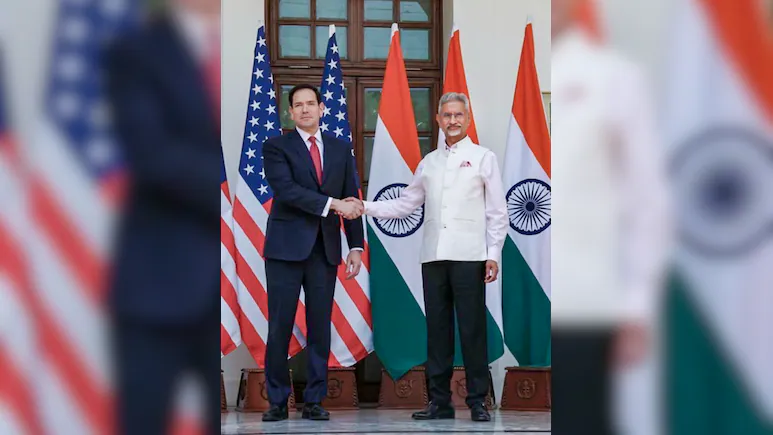
Rubio, who was last month in New Delhi, said, “India-US relations have not lost momentum India-US relations will come out much stronger in the coming years.”
Democratic control of Congress is unlikely to change the foundations of the India–US partnership. But a divided Washington could alter the choices New Delhi has on Russian oil, trade and its engagement in West Asia.
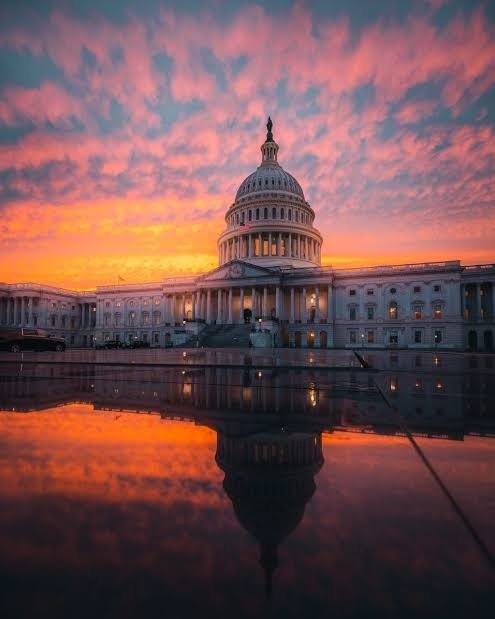
New Delhi: The Democrats’ capture of both chambers of the US Congress has changed the balance of power in Washington. For India, the consequences may be felt most clearly in its dealings with countries other than the United States. Defence and maritime cooperation give New Delhi and Washington reasons to sustain their partnership. But US decisions on Russian oil and the war with Iran can affect what India pays for energy, which suppliers it can use and how freely it can pursue its interests in West Asia.
Why the bilateral partnership can hold
The India–US relationship has an institutional base that extends beyond the White House. In February 2025, Prime Minister Narendra Modi and President Donald Trump announced an agenda spanning defence, commerce and technology. The two countries followed it with a new defence partnership framework that October, providing for deeper military cooperation and work with partners through the Quad. Both governments have an interest in maritime security in the Indo-Pacific and in expanding cooperation between their defence industries.
A change in congressional control can affect the pace of individual projects through budgets, legislation and oversight. The underlying reasons for working together are more durable. Washington values India’s role in the Indo-Pacific, while New Delhi sees scope to strengthen its defence capabilities and widen its access to advanced technology. Those interests can sustain cooperation even when trade or sanctions policy causes friction.
Russian oil shows where India is exposed
In October, the Trump administration waived key Russia-related sanctions and tariffs that were due to take effect, including penalties linked to purchases of Russian oil and gas. Reuters reported that the waiver eased India’s energy concerns and could improve prospects for a trade deal with Washington. A measure aimed at Moscow had put India’s oil purchases and its negotiations with the United States under pressure at the same time.
That episode gives strategic autonomy a concrete meaning. New Delhi can decide where it wants to buy crude, but refiners also need banks willing to finance the purchase, insurers willing to cover it and ships available to carry it. The terms of a US waiver can therefore determine whether a purchase remains commercially viable. A future decision in Washington could narrow those choices even as the two countries continue to work together on defence.
The Iran war poses a different test
The war with Iran and its effect on the cost of living figured prominently in reporting on the Republican defeat. When Democrats take control in January, they can intensify scrutiny of the administration’s conduct of the war and use Congress’s funding powers to influence policy. For India, any change in the course of the conflict has implications for energy prices, shipping security and the welfare of Indians living and working in the Gulf.
The executive branch retains considerable authority. On 4 November, the US Treasury imposed sanctions on individuals and entities based in India and Türkiye over alleged links to Iranian networks. The Treasury accused some of those targeted of helping vessels involved in transporting Iranian petroleum. The action showed how a US policy directed at Tehran can have immediate consequences for businesses operating in India.
What a divided Washington could mean for New Delhi
The new balance of power could pull in different directions. Congressional pressure for restraint in West Asia could ease risks to energy supplies and shipping. A harder line on Russian oil revenues could make it more difficult for Indian refiners to buy from Moscow. What matters for India is how those positions translate into legislation, funding decisions and the administration’s use of sanctions and waivers.
India’s latitude also depends on the relationships it builds elsewhere. In January 2026, India and the European Union announced the conclusion of free trade negotiations and signed a security and defence partnership. Wider access to markets and defence partners gives New Delhi more ways to pursue its interests when a dispute with Washington complicates one area of cooperation.
The first signs of what the midterms mean for India may come far from a summit. They may come when a refiner decides whether to sign a supply contract, a bank weighs whether to finance it, or New Delhi has to judge how far it can pursue an interest in Moscow or the Gulf without incurring costs in Washington.