Kumar Bahukhandi

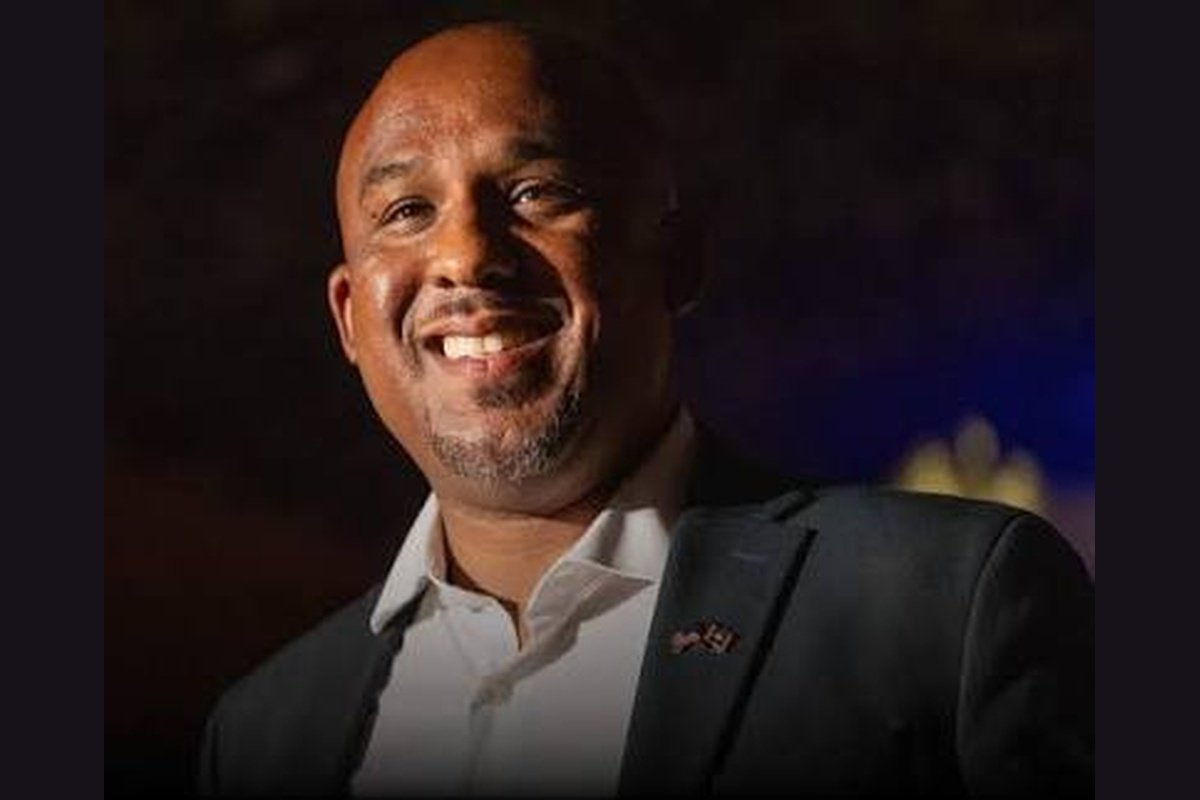
U.S. Secretary of Commerce Howard Lutnick. File | Photo Credit: Reuters
Howard Lutnick’s remarks came a few days after Donald Trump said that Modi knew he was unhappy with India’s purchases of Russian oil and that Washington could raise tariffs on New Delhi “very quickly”
U.S. Commerce Secretary Howard Lutnick has said the trade deal with India did not happen because Prime Minister Narendra Modi did not call U.S. President Donald Trump.
Lutnick, in a podcast on Thursday January 8, 2026, said he asked Modi to call the President to close the deal. However, he said India was “uncomfortable” doing it, “so Modi didn’t call”.
The Commerce Secretary said the U.S. did trade deals with Indonesia, the Philippines, and Vietnam, but he assumed the trade deal with India was going to be done before them.
“We did Indonesia, the Philippines, Vietnam, and we announced a whole bunch of deals. So we did this whole bunch of deals because we negotiated them and assumed India was going to be done before them. I have negotiated them at a higher rate. So now the problem is that the deals came out at a higher rate. And then India calls back and says, ‘Oh, okay, we are ready. I said, ready for what.”
Lutnick said that while he would negotiate the contracts with the countries and set the whole deal up, “But let’s be clear, it’s his (Trump) deal.
He is the closer. He does the deal. So I said You got to have Modi, it’s all set up, you have to have Modi call the President. They (India) were uncomfortable doing it, so Modi didn’t call. Lutnick said after that Friday, the US announced trade deals with Indonesia, the Philippines and Vietnam.
He added that Washington was negotiating with other countries and assumed India was going to be done before them. I have negotiated them at a higher rate.
So now the problem is the deals came out at a higher rate. And then India calls back and says, Oh, okay, we are ready’. I said, ‘ready for what, it was like three weeks later’, he said. I go, Are you ready for the train that left the station three weeks ago?’
So what happened is they just there’s sometimes there’s that seesaw, and people are just on the wrong side of the seesaw, the trade secretary said.
“So what happened is India just was on the wrong side of the seesaw, and it was just they couldn’t get it done, Lutnick said, imitating a seesaw with his hands.
And so what happened is all these other countries kept doing deals, and they’re (India) just further in the back of the line, he said. Lutnick said he wanted the trade deal with India to happen in between the UK and Vietnam because that’s what I negotiate.
And they remember, and I remember, and they say, but you agreed’. And I said, then, not now, then’. So that’s the problem.
India will work it out, but there’s a lot of countries and they each have their own deep internal politics, and to get something approved by their parliament these are deeply complex things, he added. Lutnick’s remarks came a few days after Trump said that Modi knew he was unhappy with India’s purchases of Russian oil and that Washington could raise tariffs on New Delhi “very quickly”.
The threat by the US president came at a time when the two countries were negotiating a bilateral trade agreement. So far, six rounds of negotiations have been held for that. The pact includes a framework deal to resolve the 50 per cent tariffs on Indian goods entering the US.