Kumar Bahukhandi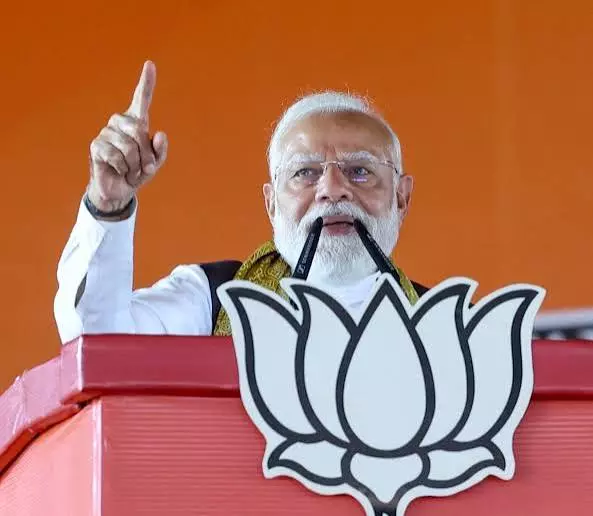
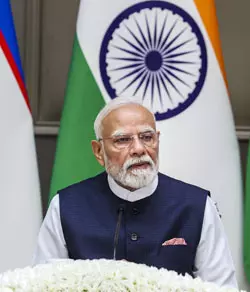
India’s Semiconductor Pitch: Prime Minister Narendra Modi addresses a gathering. At SEMICON India 2026 in New Delhi on Thursday, September 17, Modi said India was taking steps to emerge as a preferred and trusted destination for global semiconductor manufacturing as the country expands its chip ecosystem under Semicon 2.0.
PM says India is positioning itself as a preferred semiconductor destination as Semicon 2.0 expands support for chip design, fabrication, packaging, research and talent
Key Highlights
- PM Narendra Modi inaugurated SEMICON India 2026 at Yashobhoomi, New Delhi, on September 17.
- Semicon 2.0 has an approved outlay of ₹1,27,500 crore, equivalent to roughly $13.5 billion in Modi’s speech.
- 12 semiconductor manufacturing projects have been approved across six states.
- Semicon 2.0 covers design, equipment and materials, fabs, advanced packaging, R&D and talent development.
- Modi said India was preparing to meet global demand for new and trusted manufacturing destinations.
New Delhi: Prime Minister Narendra Modi on Thursday, September 17, 2026 positioned India as an emerging trusted destination for global semiconductor manufacturing, telling industry leaders that the country was building the policy, infrastructure, talent and supply-chain ecosystem needed to compete in one of the world’s most strategically important technology sectors.
Inaugurating SEMICON India 2026 at Yashobhoomi in New Delhi, Modi said the global search for dependable manufacturing locations was creating an opportunity for India. The fifth edition of the conference runs from September 17 to 19 under the theme “Silicon to Systems: Building the Ecosystem.”
“The world is looking for new and trusted manufacturing destinations; India is steadily preparing itself to meet this need,” Modi said.
The Prime Minister said India had already moved beyond the stage of merely framing semiconductor policies, with manufacturing projects beginning commercial production and the second phase of the semiconductor programme now intended to deepen the domestic ecosystem.
From Semicon 1.0 to a Bigger Second Phase
Modi said the first phase of India’s semiconductor mission had an outlay of about $8 billion, while the second phase had been expanded to about $13.5 billion. The Cabinet-approved outlay for Semicon 2.0 is ₹1,27,500 crore.
Semicon 2.0 broadens the focus to six areas: chip design, semiconductor machinery and materials, new fabrication facilities, advanced packaging, research and development, and talent development.
“The Government of India is taking every step needed for the success of your projects,” Modi told representatives of the semiconductor industry.
India has so far approved 12 semiconductor manufacturing projects across six states, covering silicon and compound semiconductor fabrication, display-related manufacturing and advanced packaging. Official data released around SEMICON India says commercial production has already begun at several facilities.
AI Is Changing the Chip Industry
Modi drew particular attention to the transformation being driven by artificial intelligence. He said the semiconductor industry was moving beyond a narrow focus on reducing transistor size, with system-level questions such as memory placement, heat management and integration becoming increasingly important.
The shift creates opportunities not only for fabrication plants but also for companies specialising in equipment, materials, design, packaging and related technologies.
Modi urged companies across the semiconductor value chain to look at India as part of their future expansion plans.
“India is taking every step that makes us a preferred destination for the semiconductor industry,” he said.
The government’s stated objective is to build a complete domestic semiconductor ecosystem rather than concentrating only on the final stages of chip production.
Talent Could Become India’s Competitive Edge
Human resources formed another major part of Modi’s pitch to global industry.
The government has been expanding access to advanced chip-design tools for universities, startups and engineering institutions. Official figures released this week say more than one lakh engineers from around 500 organisations, including roughly 400 academic institutions and 100 startups, have been provided access to advanced design tools.
Modi called upon young researchers working both in India and overseas to participate in the development of advanced technologies in the country, while urging industry leaders to strengthen research and development.
The Prime Minister told semiconductor executives that India’s expanding talent base should be viewed as an important asset for companies building their operations in the country.
Building More Than Chip Fabs
India’s semiconductor strategy now extends beyond fabrication to chip design, equipment and materials, advanced packaging, intellectual property, research and skilled manpower.
The government is also pursuing semiconductor partnerships with countries and blocs including the United States, Japan, the European Union, Singapore and the Netherlands, according to official data.
For Modi, the objective is to ensure that these different components develop together rather than creating isolated manufacturing facilities.
The Prime Minister’s message at SEMICON India 2026 was therefore directed as much at the broader global supply chain as at chipmakers themselves: India wants to move from being a major electronics market and design-talent base towards becoming an important location for semiconductor manufacturing, research and the technologies surrounding it.