Kumar Bahukhandi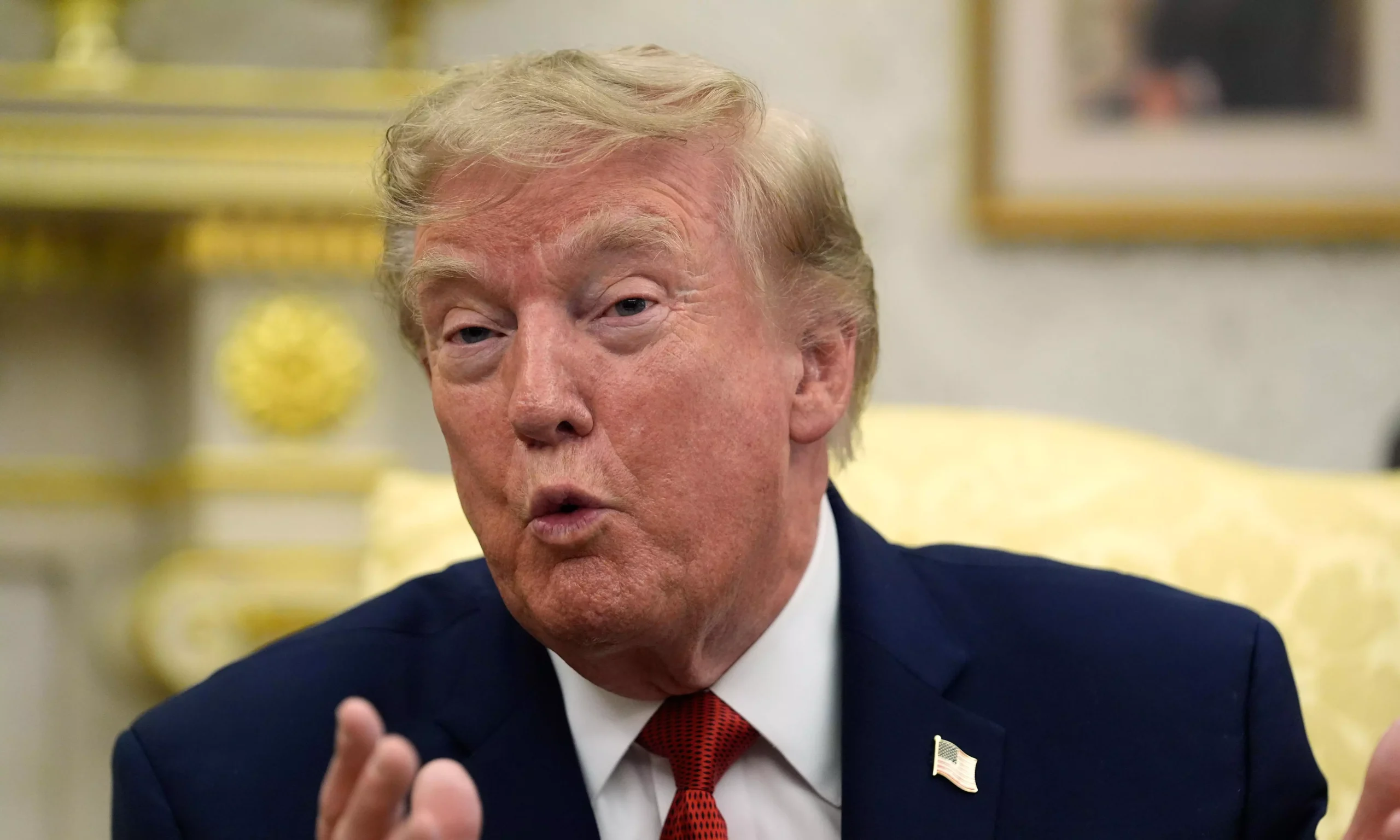
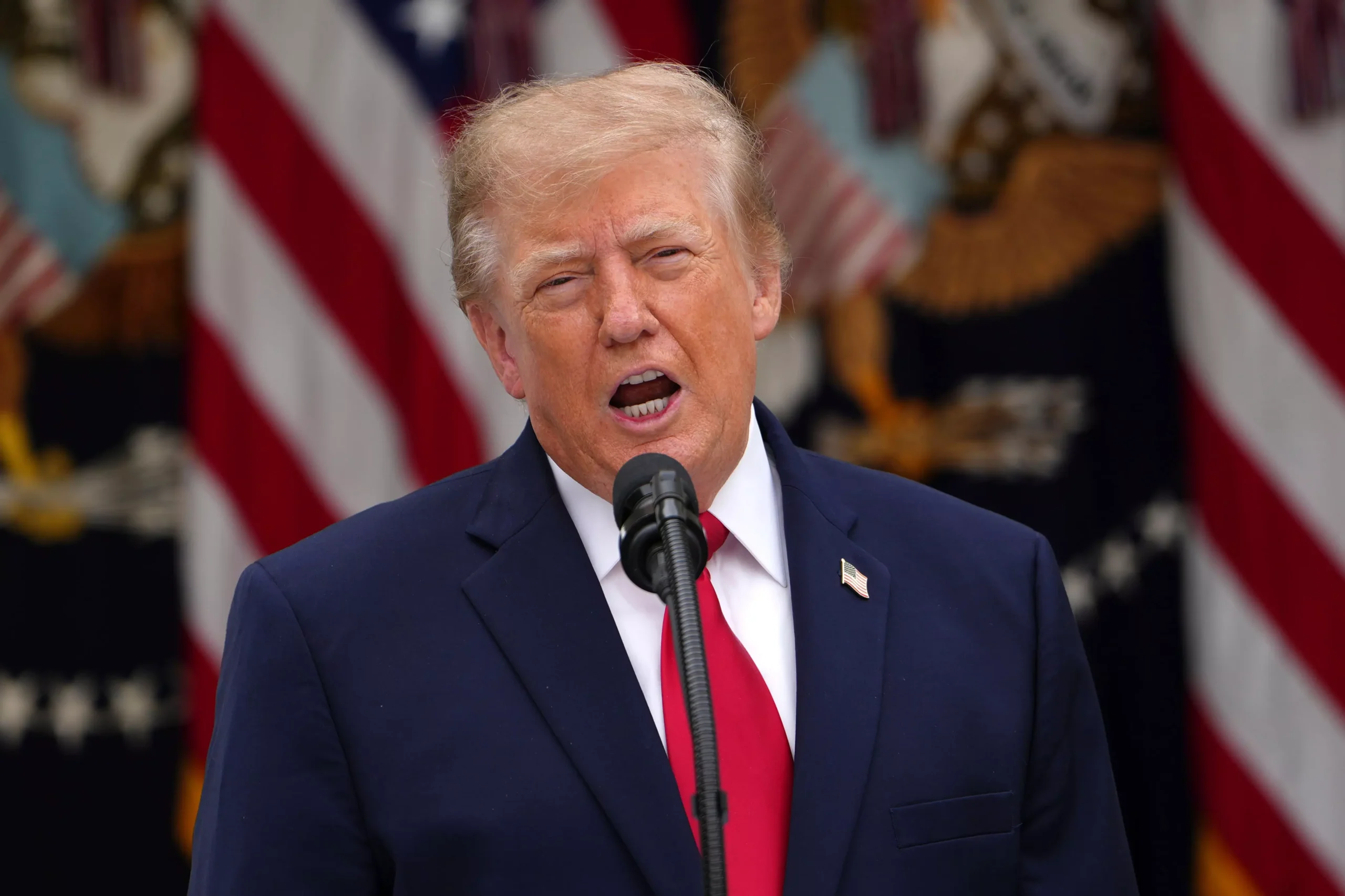
US President Donald Trump speaks during a meeting with lifeguard Ryder Williams in the Oval Office of the White House in Washington on Monday, August 17, 2026. A day later, Trump said no talks with Iran were taking place or scheduled and claimed that the Strait of Hormuz was open and operating. (Photo: AP/Manuel Balce Ceneta)
US President says naval blockade of Iranian ports remains in force and all sea mines have been removed, even as shipping traffic remains limited and Tehran disputes Washington’s account
Key Factors
- Trump says no negotiations with Iran are taking place or scheduled
- US naval blockade of Iranian ports to remain “in full force and effect”
- President claims the Strait of Hormuz is open and all sea mines have been removed or destroyed
- Iran insists the strategic waterway will remain restricted until Washington meets conditions under the interim agreement
- A commercial vessel was damaged by an unidentified projectile while exiting the strait
- The 60-day negotiating period has ended without a wider peace agreement
US President Donald Trump said in Washington on Tuesday, August 18, 2026, that no talks with Iran were taking place or scheduled, while insisting that the Strait of Hormuz was “open and operating” despite sharply reduced maritime traffic and continuing security threats in the strategic waterway.
In a social media post, Trump said the United States’ naval blockade of Iranian ports remained “in full force and effect”. He also claimed that all sea mines placed in the waters had either been removed or detonated and that commercial vessels not travelling to or from Iran were free to use the strait.
The President’s declaration came as a 60-day period intended to produce a broader agreement between Washington and Tehran ended without any visible breakthrough or clear path towards ending the conflict.
Trump’s assertion that the strait was operating normally was immediately complicated by shipping data and a reported attack on a vessel leaving the waterway.
A commercial ship was struck by an unidentified projectile near Oman while sailing out of the Strait of Hormuz early on Tuesday, according to the United Kingdom Maritime Trade Operations centre. The projectile reportedly damaged the vessel’s engine room and caused a crew casualty, although authorities did not immediately clarify whether the crew member had been killed or injured.
The identity of the ship, its cargo and the party responsible for the attack were not immediately disclosed. The Omani Coast Guard was assisting the remaining crew, while an investigation into the incident was under way.
No environmental damage was reported.
Washington and Tehran Offer Conflicting Accounts
Trump’s statement presented the Strait of Hormuz as secure and accessible, but actual vessel movement through the waterway remained considerably below normal levels.
Confirmed crossings reportedly fell by nearly 20 per cent during the preceding week. Only a small number of commercial vessels passed through the strait on some days, with most using routes designated by Iran rather than the regular Omani channels.
The continued decline in traffic indicates that shipping companies and insurers remain cautious despite Washington’s assertion that sea mines have been cleared and the passage reopened. Shipowners require credible security guarantees before risking crews, vessels and cargoes in waters where attacks and military confrontations continue to be reported.
Iran has rejected the US description of the situation. Tehran’s chief negotiator, Mohammad Baqer Qalibaf, said Iran would continue restricting the Strait of Hormuz until Washington fulfilled the terms of an interim understanding reached in June.
Iran’s demands reportedly include the lifting of the US blockade on Iranian ports, removal of oil sanctions, release of frozen Iranian assets and an end to military threats and operations against the country.
Washington has not accepted those conditions and has indicated that it does not intend to extend the negotiating arrangement in its existing form.
The conflicting positions leave the legal and operational status of the strait disputed. The United States maintains that international commercial traffic can pass through the waterway while its blockade remains limited to vessels entering or leaving Iranian ports. Iran, meanwhile, asserts its authority to regulate and restrict passage until the US meets its demands.
The Strait of Hormuz is one of the world’s most important maritime energy corridors. Before the conflict, roughly one-fifth of globally traded oil and liquefied natural gas passed through the narrow waterway linking the Persian Gulf with the Gulf of Oman and the Arabian Sea.
Any prolonged restriction on shipping through the strait can increase freight and insurance costs, disrupt energy supplies and place upward pressure on global oil and gas prices.
Oman, which has traditionally acted as an intermediary between Washington and Tehran, has continued discussions with Iran over arrangements intended to restore safer and more regular shipping. Reports suggest that the proposals include joint management of an exit route and voluntary payments by vessels towards maritime security, rescue services and environmental protection.
The Trump administration has reportedly objected to parts of the proposed arrangement, particularly provisions that could be interpreted as recognising an Iranian role in controlling or charging for passage through the international waterway.
Although Trump said no formal talks with Iran were under way or planned, diplomatic activity involving Oman and other regional governments has continued. Egypt has expressed hope that an Iranian-Omani understanding could eventually help bring Washington and Tehran back to negotiations for a broader and more lasting settlement.
For the moment, however, the end of the 60-day negotiating period has left the two countries further apart. Trump has maintained the American naval blockade while declaring the strait open; Iran continues to dispute that account and insists that normal passage will not resume until its conditions are met.
The attack on the commercial vessel on Tuesday further demonstrated the gap between official declarations and the conditions confronting ships in the waterway. Even if mines have been cleared, the risk posed by projectiles, drones, naval confrontations and uncertainty over competing transit rules continues to discourage normal commercial movement.