Kumar Bahukhandi
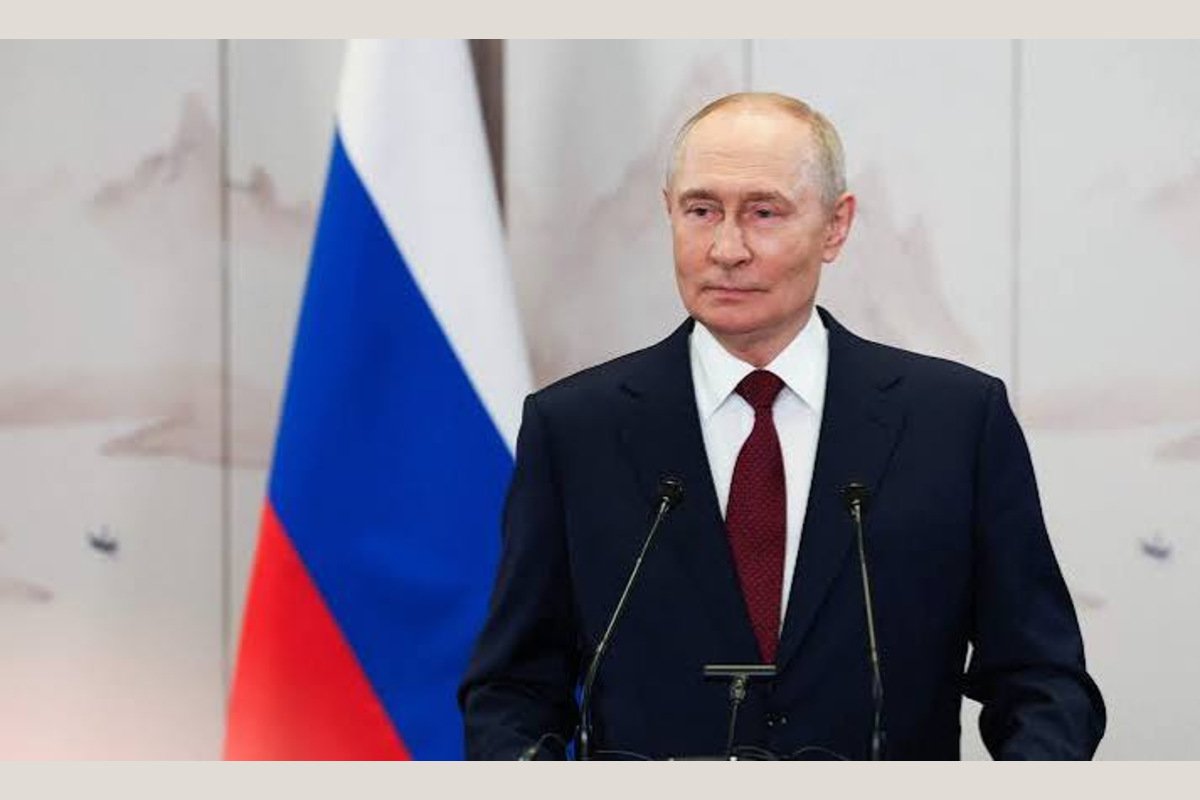
Russian President Vladimir Putin at a lectern in a file photograph. Russia has rejected reports citing Western intelligence assessments that it could launch a nuclear-armed satellite by the end of 2026.
Credit: ANI
German media cite assessments that a Russian satellite designed to carry a nuclear warhead could launch as early as December. Moscow rejects the allegation, while Berlin says it is taking the reports seriously.
Berlin: Russia could launch a satellite carrying a nuclear weapon before the end of 2026, according to Western intelligence assessments cited in a joint investigation by German public broadcasters NDR and WDR and the newspaper Süddeutsche Zeitung. The reports, published on 23 November, said Germany’s foreign intelligence service and military were among those assessing the programme and that findings had been shared with NATO allies. A launch remains a possibility raised in the assessments, and there has been no public confirmation of a decision to deploy the weapon
Key Highlights
- German media reported that the satellite, identified as Sputnik-S, had already been assembled and that military assessments pointed to a possible December launch.
- German military officials briefed senior figures, including Defence Minister Boris Pistorius. Berlin said it was taking the reports seriously.
- Russia’s embassy in Berlin rejected the allegations and said Moscow’s space activities complied with its international obligations.
- The 1967 Outer Space Treaty prohibits placing objects carrying nuclear weapons or other weapons of mass destruction in Earth orbit.
What the German investigation reported
The investigation cited intelligence shared among Western governments in early November. It reported that the satellite had been assembled several years ago and that Germany’s military considered a December launch possible. The year-end timeframe is the newest element in a dispute that became public in 2024, when US officials raised concerns that Russia was developing a nuclear capability intended to threaten satellites. Russia denied those allegations at the time
German officials have treated the reported timetable as a matter for senior government attention. The Bundeswehr briefed Pistorius and other officials in recent weeks, according to the German reporting. The underlying intelligence assessments remain unpublished, leaving the reported state of readiness and the potential launch window dependent on accounts from people familiar with those findings.
Moscow rejects the allegation
Russia’s embassy in Berlin told the German broadcasters it was unaware of the plans described in the investigation. It called the allegations unfounded and characterised them as part of a propaganda campaign. The embassy said Russia’s activities in space served peaceful purposes and were conducted in line with its international obligations. Germany’s government, meanwhile, said it was taking the reports seriously.
Why civilian satellite services are part of the concern
A widespread satellite outage would have consequences for civilian services that depend on equipment in orbit. Communications, navigation and weather forecasting are among the services identified in reporting on the warning. Satellite networks also support scientific work and commercial activity. The concern is that the consequences of a nuclear detonation in space could reach systems operated by many countries and companies.
A companion investigation by the German outlets reported that Germany had yet to develop a dedicated crisis plan for a large-scale satellite outage. The reporting raised a separate question for civilian authorities: how essential services would continue if several satellite systems became unavailable at the same time.
What the Outer Space Treaty prohibits
Article IV of the 1967 Outer Space Treaty bars parties from placing objects carrying nuclear weapons or other weapons of mass destruction in Earth orbit. It also prohibits stationing such weapons elsewhere in outer space. Under that provision, placing a nuclear-armed satellite in orbit would itself breach the treaty
The dispute had already reached the UN Security Council in 2024. Japan and the United States put forward a draft resolution reaffirming the treaty’s restrictions and aimed at preventing a nuclear arms race in space. Thirteen Council members supported the draft. China abstained, and Russia vetoed it. The latest German reporting brings renewed attention to that debate by putting a possible timeframe on the deployment that Western governments have warned about.