Kumar Bahukhandi

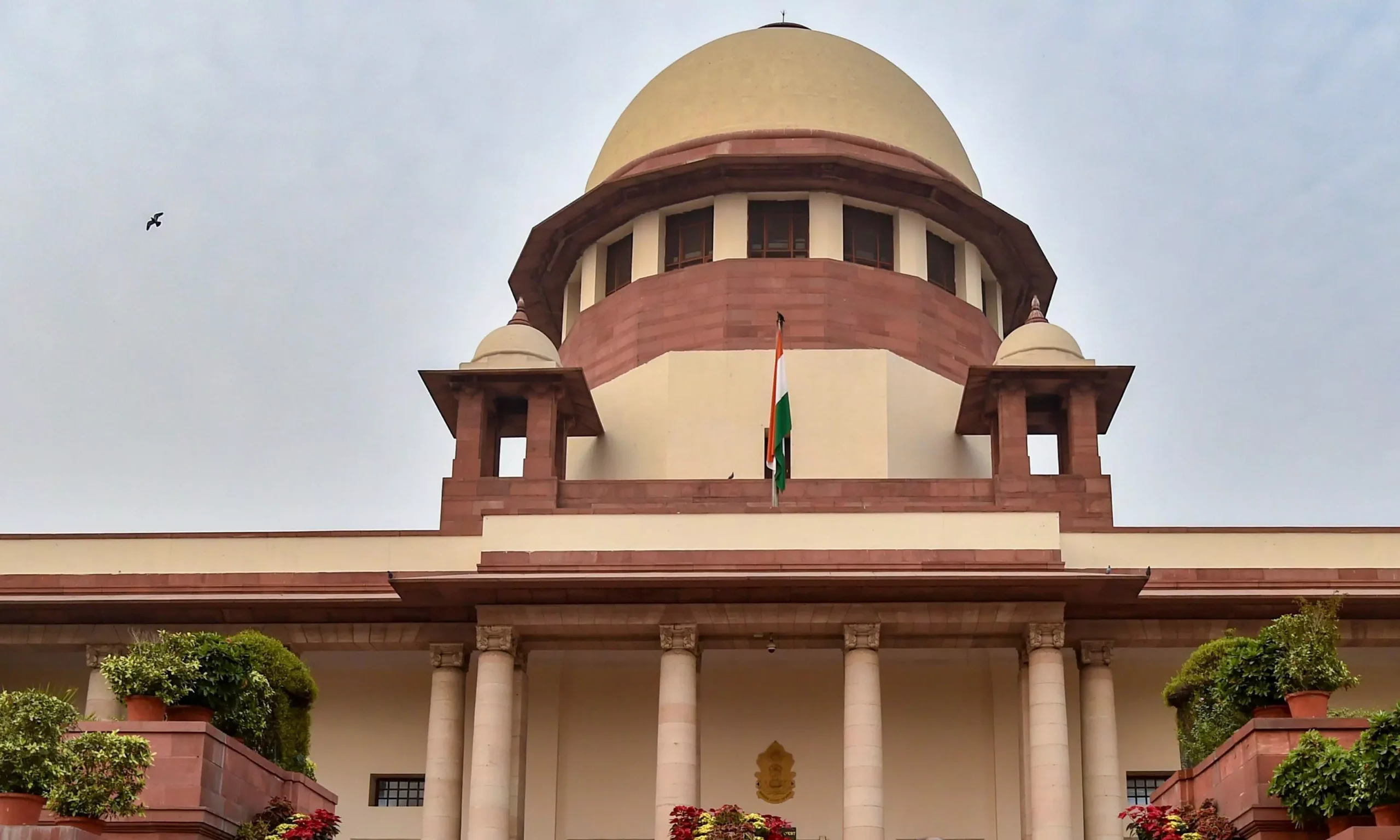
New Delhi : The Supreme Court on Friday October 18 said that the Prohibition of Child Marriage Act cannot be stunted by traditions under any personal law. Observing that marriages involving children violate the free will to choose a life partner, a bench comprising Chief Justice of India D.Y. Chandrachud and Justices J.B. Pardiwala and Manoj Misra issued a set of guidelines for the effective implementation of the law on prevention of child marriages in the country.
The bench, however, noted that the issue whether the Prohibition of Child Marriage Act (PCMA) would prevail over personal laws was pending with the Parliament for consideration. The Centre had urged the apex court to hold the PCMA to prevail over personal laws.
Highlighting that a very extensive sociological analysis was made in the judgment, the CJI said, “While the PCMA seeks to prohibit child marriages. It does not stipulate big social malaise of marriages fixed in the minority of a child which also have the effect of violating the rights to choice…It takes away from them, their choice of partner and life paths before they mature and form the ability to assert their agency…”
The court noted that child marriages require an intersectional approach that acknowledges the overlapping vulnerabilities experienced by children, especially girls, from marginalised communities. “Inter-sectionality involves considering factors like gender, caste, socio-economic status, and geography, which often increase the risks of early marriage,” the CJI said.
Preventive strategies should be tailored to the unique needs of various communities besides focusing on addressing the root causes of child marriage, such as poverty, gender, inequality, lack of education, reads the verdict.
“The PCMA as a social legislation will only succeed through the collective efforts of all stakeholders to address the issue within a broader social framework, which emphasises the need for multi sectoral coordination,” the judgment said.
The scenario necessitated the enhancement of reporting mechanisms, expansion of public awareness campaigns and investment in the training and capacity building of law enforcement, the bench said.
The bench observed, “The implementation of these guidelines is to prioritise prevention before protection and protection before penalisation. We are cognisant of the impact that criminalisation has on families and communities. To ensure effective use of the penal provisions in the PCMA, it is imperative that there is widespread awareness and education about child marriage and the legal consequences of its commission.”
The apex court, however, clarified that it should not be understood that prosecution of those who commit illegal acts is discouraged. The top court stressed that the law enforcement machinery should make best efforts to prevent and prohibit child marriage instead of focusing solely on prosecution.
The verdict came on a public interest litigation filed by the society for enlightenment and voluntary action seeking effective implementation of the law to prevent child marriages.
( Source : D C )