Kumar Bahukhandi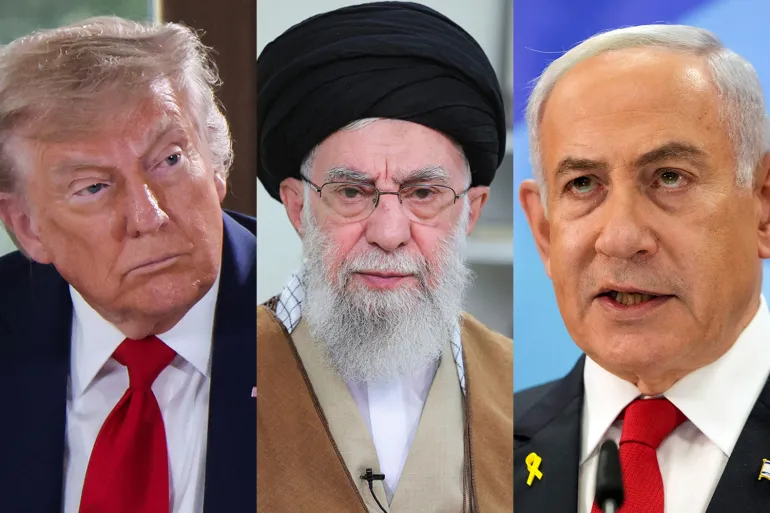
The US and Israel launched a joint attack on Iran on Saturday. (Photo- ITG)
Tensions in the Middle East have escalated following the US-Israeli joint attack on Iran. Experts believe that Israel has gained the most strategic advantage from this conflict, while the US is taking risks, and Iran is suffering military and economic losses. If the war escalates, it could have serious regional and global ramifications.
Middle Eastern politics is once again in a major crisis. When US President Donald Trump delivered a speech to regional leaders in May last year, he stated that the US would no longer pursue a policy of changing the Middle East or overthrowing governments. He stated that the US had previously intervened in countries where the US had previously intervened in the name of “nation building” and had worsened the situation. This was a reference to his predecessors who fought long wars in Iraq and Afghanistan.
But within a year, the situation had changed. Trump ordered a major military attack on Iran. He stated that this move was necessary to “liberate” Iran and protect America’s security. This is the same language previously used by leaders like George W. Bush, whom Trump himself has criticized.
Many experts say this war is inconsistent with Trump’s stated policy. He described himself as a “president of peace” during the election. His national security strategy also emphasized a low priority for the Middle East. In such a situation, such a sudden and massive attack raises many questions.
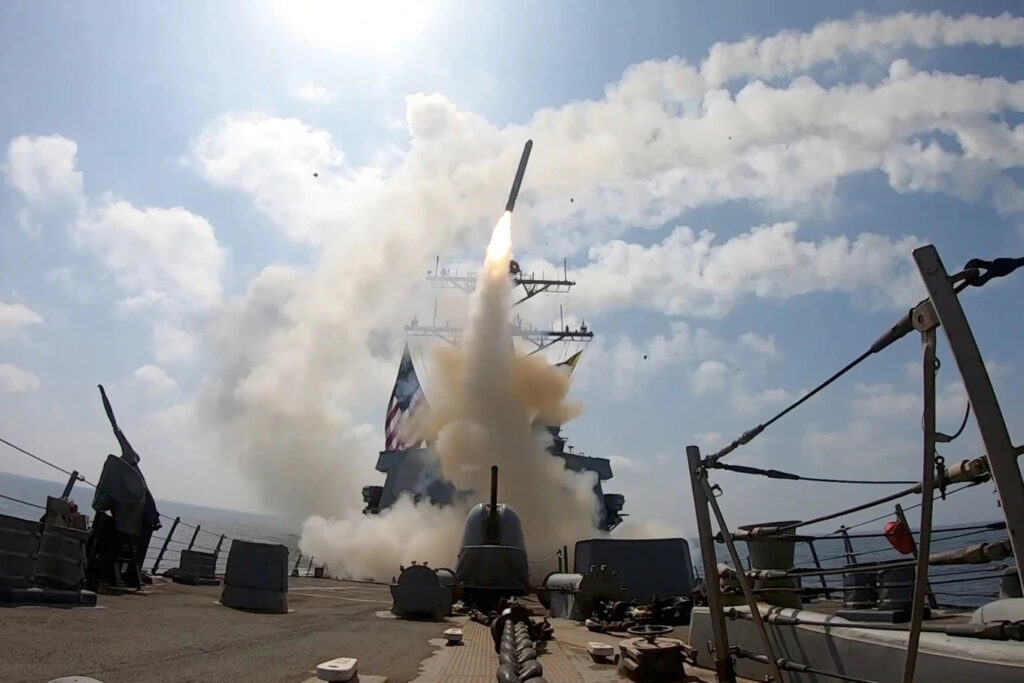
The US has launched “Operation Epic Fury” against Iran. (Photo – AP)
Is the Iran war Israel’s or America’s?
Many experts believe that Israel and its Prime Minister Benjamin Netanyahu have benefited the most from this war. Netanyahu has been claiming for the past 20 years that Iran is close to developing a nuclear weapon and that it poses the greatest threat to Israel.
Iran has consistently denied these allegations. Even US officials have repeatedly stated that they lack concrete evidence that Iran is developing a nuclear bomb.
During the 12-day war in June last year, the US attacked Iranian nuclear facilities. Trump claimed that this “completely destroyed” Iran’s nuclear program. Netanyahu then raised a new issue: Iran’s long-range ballistic missiles. Netanyahu consistently insisted that Iran must abandon its ballistic missile program, a demand Iran refused to accept. This could have posed a threat to Iran.
Netanyahu claimed that Iran was developing missiles capable of reaching the United States. Although no concrete evidence was publicly available to support this claim, the threat was repeatedly reiterated. Iran even repeatedly stated that Iran deliberately kept the range of its missiles low.
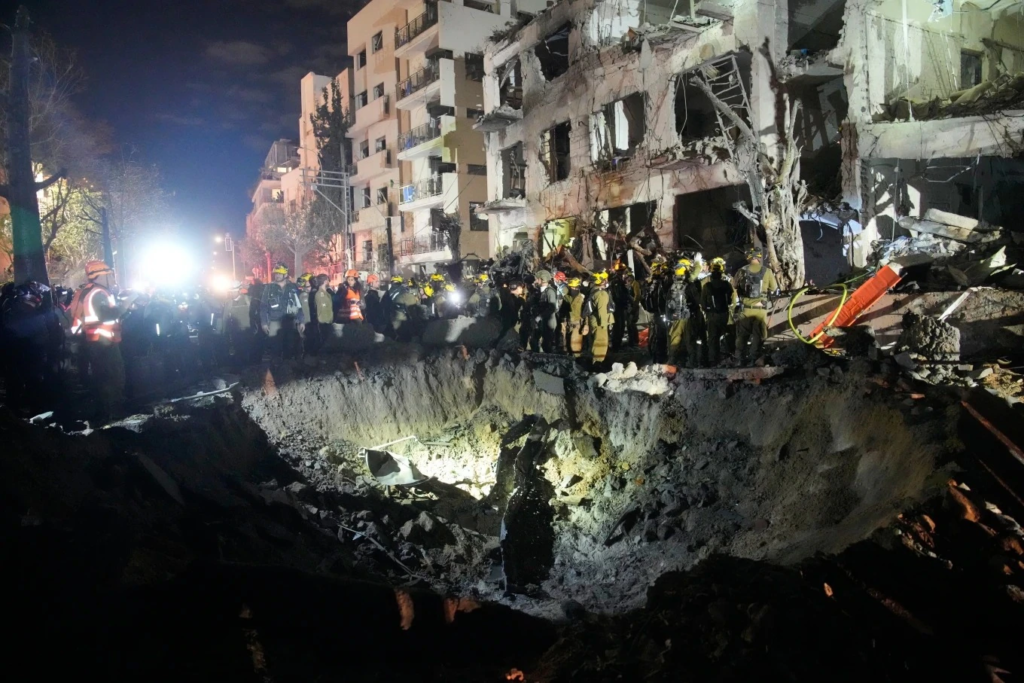
US-Israel bombs rain down heavily on Iran. (Photo- AP)
Is the American public with Trump?
There are divisions within the US regarding this war. After the long wars in Iraq and Afghanistan, the American public is weary of a new conflict. According to a survey, only 21 percent of Americans support a war against Iran.
On the very first day of the war, Iran retaliated by launching missile attacks on US bases in the Middle East, destabilizing the entire region. Trump also acknowledged that the war could cost American soldiers their lives. Critics say that Iran is more than 10,000 kilometers away from the US, so the extent of its direct threat to the US is debatable.
War broke out amid negotiations
Negotiations between the US and Iran were ongoing before the war began. Several rounds of talks were held between officials of both countries. The talks, mediated by Oman, were described as positive.
Iran had stated that it was willing to accept stricter oversight of its programs. However, the attack occurred during this time. Some experts say that Netanyahu did not want any agreement between the US and Iran. Therefore, the outbreak of war in the midst of negotiations is a strategic success for him.
Who benefits and who loses from the war with Iran?
In simple terms, Israel appears to be gaining the most political and strategic advantage from this war. For example, the most important aspect of this war is its open support from the US. Furthermore, when the issue of attacking Iran arose, Trump gave his military the freedom to help Israel achieve its war goals.
Send feedback
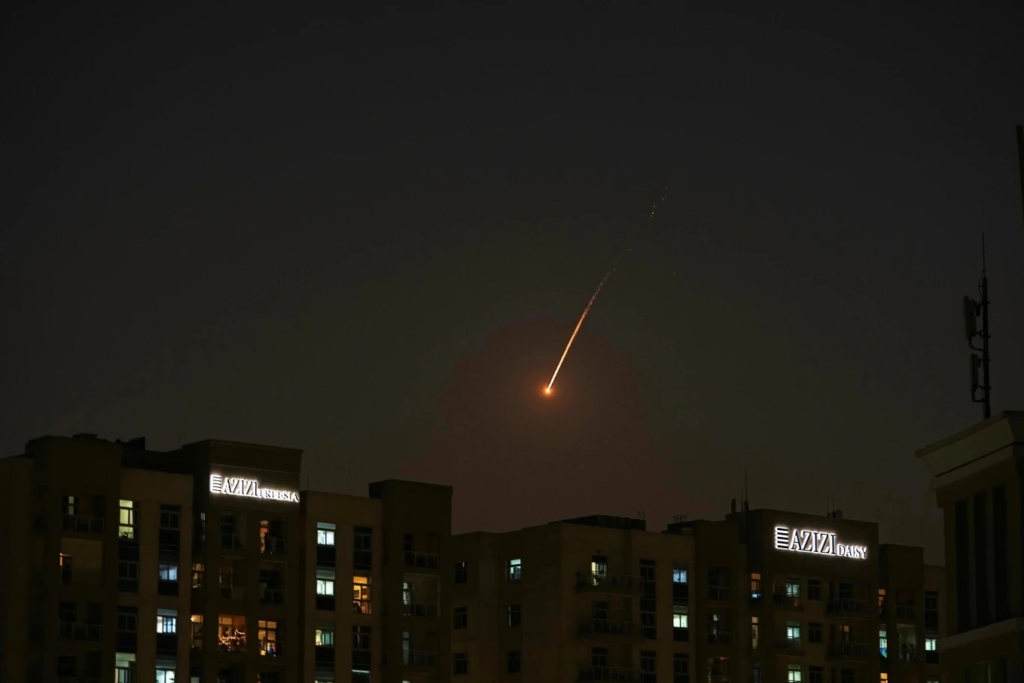
Israel and the US have also carried out attacks on residential areas in Iran. (Photo: AP)
Iran not only suffered losses in the US-Israeli attack, but also lost its Supreme Leader Ali Khamenei. Trump and Netanyahu’s forces targeted Iran’s leadership in a preemptive strike, killing Supreme Leader Khamenei, the head of the IRGC, and several Iranian government ministers. These attacks have derailed ongoing negotiations between Iran and the US and Israel on a nuclear deal.
This war is risky for the US. If the conflict continues for a long time, it could lead to military casualties and increased economic burdens. For example, a large number of US troops are deployed in Arab countries. Iran’s retaliatory strikes on the first day targeted US military bases, which are believed to have caused significant losses to the US. Furthermore, this is seen as a departure from Trump’s “America First” policy, through which he gained American support.
Iran has suffered direct military and economic losses, but it is attempting to garner domestic support by portraying this as a fight for its sovereignty and honor. Following the death of Supreme Leader Khamenei, the public has taken to the streets in support of the government. However, opposition groups are also celebrating.
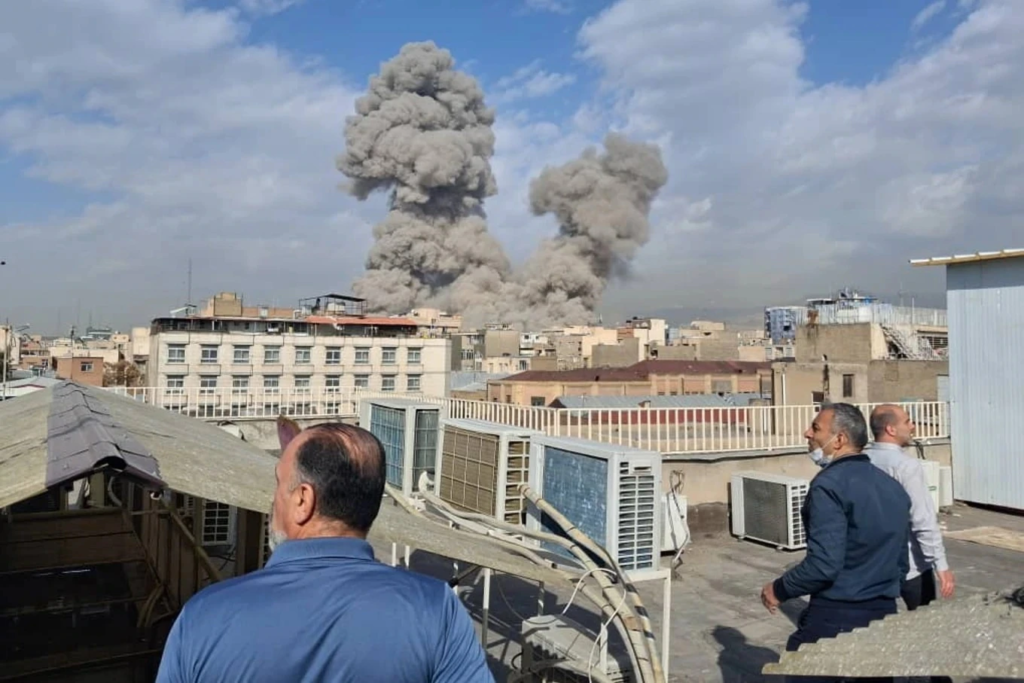
Plumes of smoke billowed in the sky after the attack on Iran. (Photo: AP)
What will happen next in the US-Israel war?
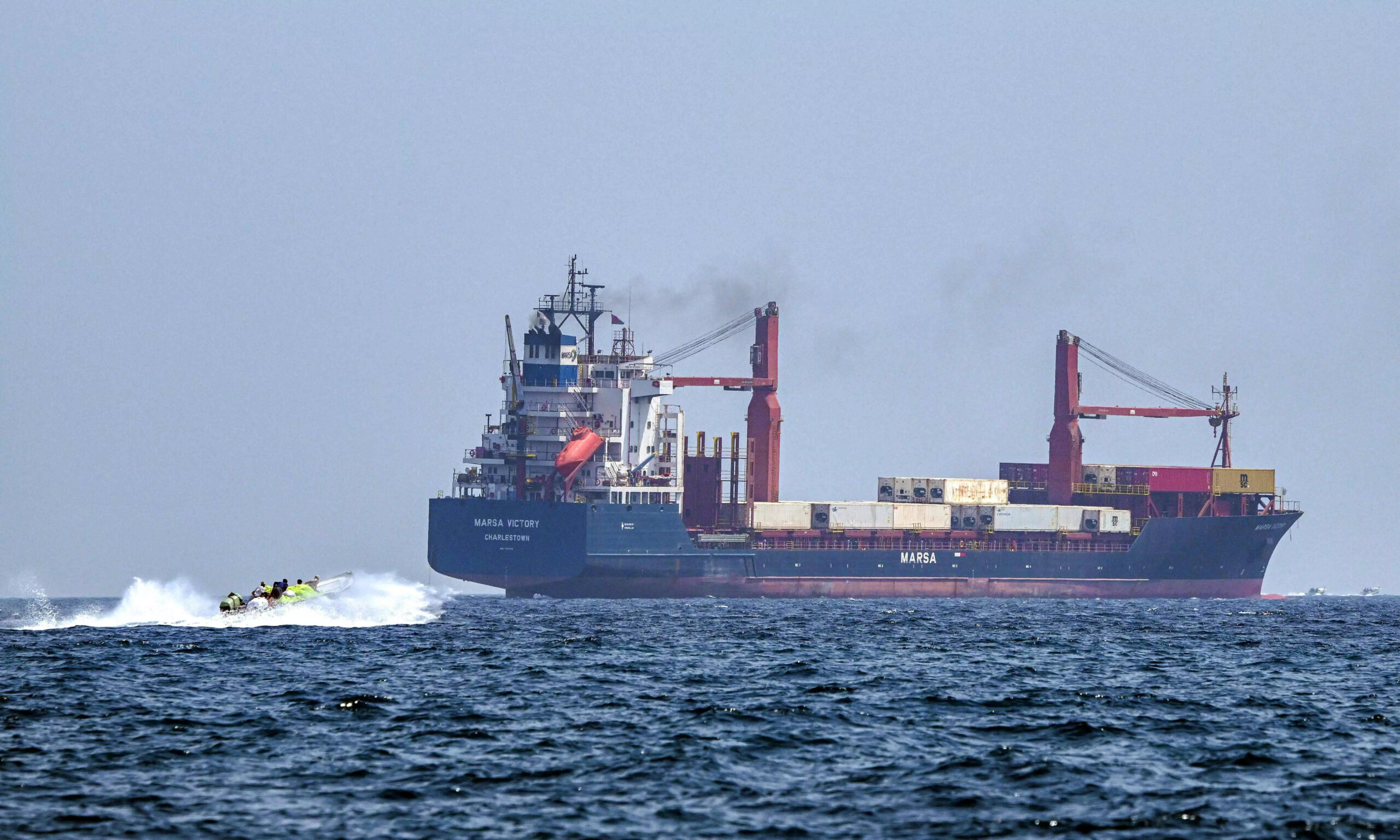
The war started in Iran is not limited to just three countries. If the situation worsens, the entire Middle East could be affected. Oil prices could rise, impacting the global economy. As seen in the first day’s retaliatory strikes, military bases in Arab countries were targeted by Iranian missiles. Furthermore, the IRGC has closed the Strait of Hormuz. If the war escalates, oil prices could rise worldwide.
As of now, Israel appears to be the biggest immediate beneficiary. The US is moving forward at a significant risk, while Iran is trying to build internal unity despite suffering losses. Only time will reveal whether this war will remain limited or escalate into a larger one.