Kumar Bahukhandi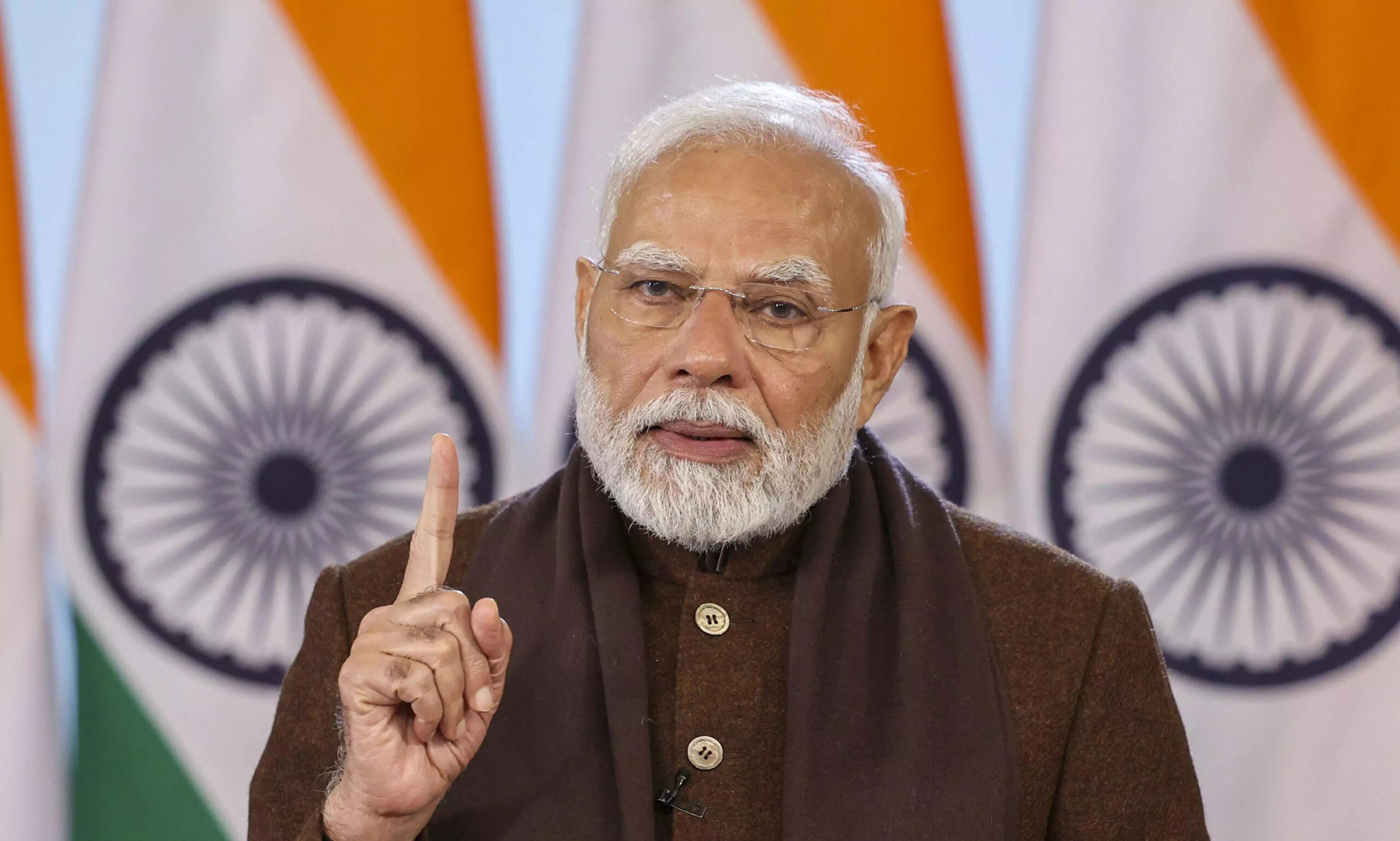
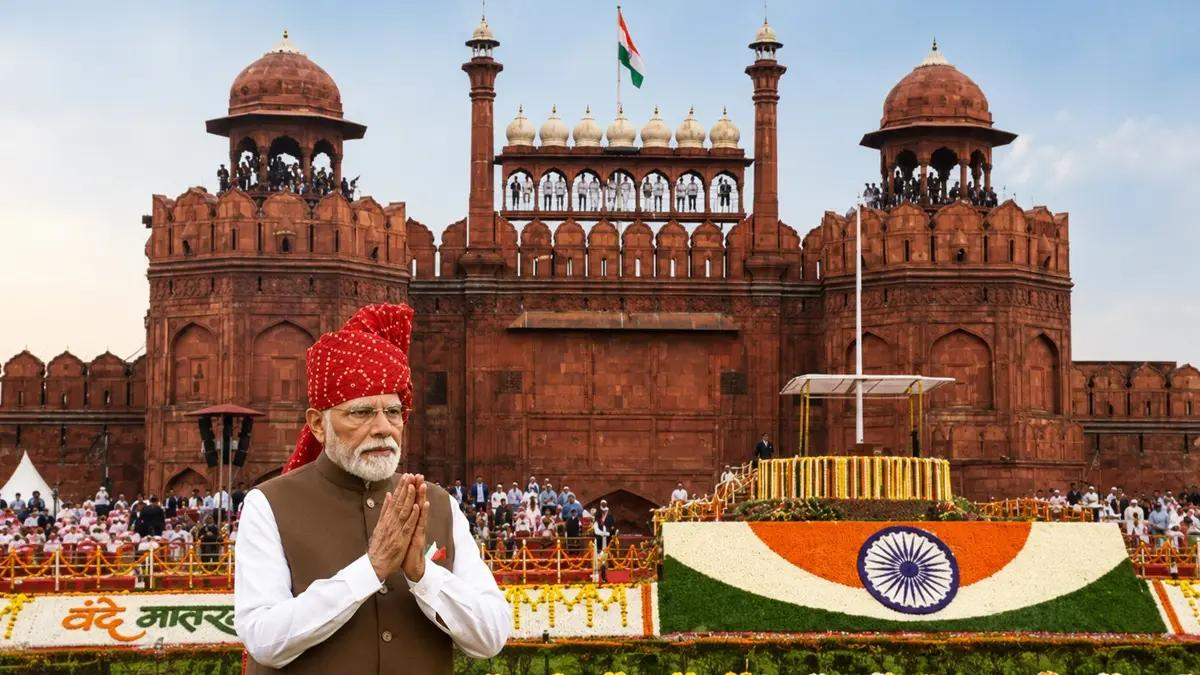
Prime Minister Narendra Modi. (PTI/Photo)
The writer is the chair of Amnesty International India
Napoleon was crowned in December 1804 and 11 years later, in June 1815, lost at Waterloo. In these 11 years, he united Europe for the first time since Charlemagne had done a thousand years before in 804. Napoleon achieved it through battlefield victories against the great military powers of his age, such as Prussia and Austria.
Deng Xiaoping was already an old man of 74 when he took charge of China in 1978. Eleven years later, he stepped down in 1989, the year of Tiananmen Square. Many people, including Singapore’s leader Lee Kuan Yew, thought of him as the greatest man they had ever known, because of what he set out to achieve and then achieved in these 11 years. Deng discarded the Marxist views he had held for more than half a century and reformed China, setting it on the road it is today.
Eleven years is a long time. Or rather let us say it is sufficient time for a leader to make an impact. It is hard to find a person at any place on the planet, and indeed at any time in history, who made a difference after his or her first decade. At best, they may have continued doing what they were doing, but most often they take on a tired look. And sometimes they produce terrible outcomes. Deng’s predecessor Mao is a good example of this phenomenon. After his first decade came famines induced by policy and violence. All of Indira Gandhi’s achievements, whether they are classified as being good or bad, were implemented in her initial years. From bank nationalisation and the abolishing of privy purses to the Bangladesh war. Then came the Emergency and in her last years the violence in Punjab.
In our time consider Turkey’s Recep Tayyip Erdogan, who has been in power since 2003, and Russia’s Vladimir Putin, who has hung around for 25 years. Russia’s per capita GDP when Mr Putin took over was $1,700. Eleven years later, in 2011, it had risen to $14,300. Today, another 14 years after that, it has fallen to $13,800, according to the World Bank’s data. Mr Putin remains in office, having presided over no economic growth for a decade and a half, and a war which has already eaten up the flower of Russia’s youth and its future. Mr Erdogan took over an economy that was at $4,600 per person in 2003 and took it to $12,500 by 2013. Today it is still more or less at the same place. He hangs on nonetheless.
Jawaharlal Nehru spent his first decade building institutions which we still have around us. The Indian Institutes of Technology came in 1950 starting with Kharagpur, Bhabha Atomic Research Centre in 1954, the All-India Institute of Medical Sciences in 1956, Indian Institutes of Management in 1961. In this period, Nehru put up a string of public sector enterprises that still live. The steel giant SAIL (1954), ONGC (1956), NMDC (1958), Indian Oil (1959), and so on and on. His contributions to world affairs were also in this period from Panchsheel (1954) to Bandung (1955).
Whether you admire Nehru, as people my age were compelled to do when we were young, or you dislike him, as is fashionable today, his legacy is alive and breathing in the institutions that he conceived and built. All of it more or less finished in 11 years.
Pakistan’s Gen. Ayub Khan was likened by Samuel Huntington of Clash of Civilisations fame to the lawgivers of Ancient Greece. Ayub seized power in 1958 and lost it 11 years later in 1969. His initial years were promising in terms of economic growth, leading to that praise from Huntington, even though the numbers were modest by the standards of Japan and South Korea and Taiwan. But the war against India in 1965 and the agitations that were stirring in the east finished him off.
Even the wicked leaders of history completed their arc in this period. Hitler came to office in 1933 and by 1944 was in his bunker awaiting the forces of Gen. Zhukov, who had defeated the Germans in Stalingrad the year before. All the achievements that history lists for the German tyrant, from what he did to the economy and the autobahn, to the persecutions of minorities, to the manhandling of the French and British forces with the conception of “blitzkrieg”, to the development of the first modern rocket, the V2, all of these came in 11 years.
There is a reason this 11-year phenomenon is a rule as much as it is an observation. It speaks to the nature of man and what humans are like. We have a limited number of original ideas to offer and that limit exhausts itself with time. Most of us do not have much power or agency over the world. The few who do have power show the rest of us what is possible and for how long.
In his book The 10 Rules of Successful Nations, Ruchir Sharma writes under the subhead of “Stale leaders” that “one simple way to think about this rule is that high impact reform is most likely in a leader’s first term, and less likely in the second term and beyond, as a leader runs out of ideas or support for reform and turns to securing a grand legacy”.
As Ralph Waldo Emerson said: “In the end every hero becomes a bore”.