Kumar Bahukhandi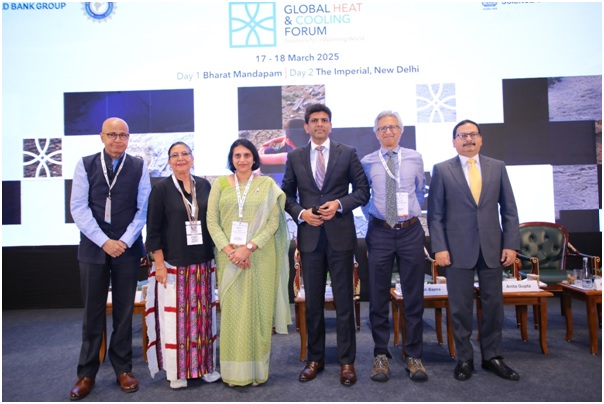
The Global Heat & Cooling Forum, organized in partnership with National Disaster Management Authority (NDMA), Department of Science and Technology (DST) and The World Bank Group by the NRDC, concluded today in New Delhi after two days of solution-driven deliberations, discussions on partnership opportunities, and sharing commitments to build climate-resilient communities and to accelerate sustainable cooling solutions. The Forum brought together government officials at the national and state level, policymakers, academics, climate practitioners, civil society and media to address the tackling of extreme heat and sustainable cooling as interconnected issues.
 |
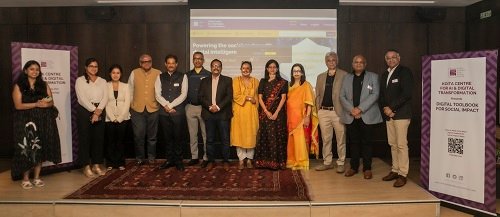
MoS for Rural Development & Communications, GoI, Chandra Sekhar Pemmasani (4th from left) with climate experts at Global Heat & Cooling Forum organized by NRDC, NDMA & World Bank
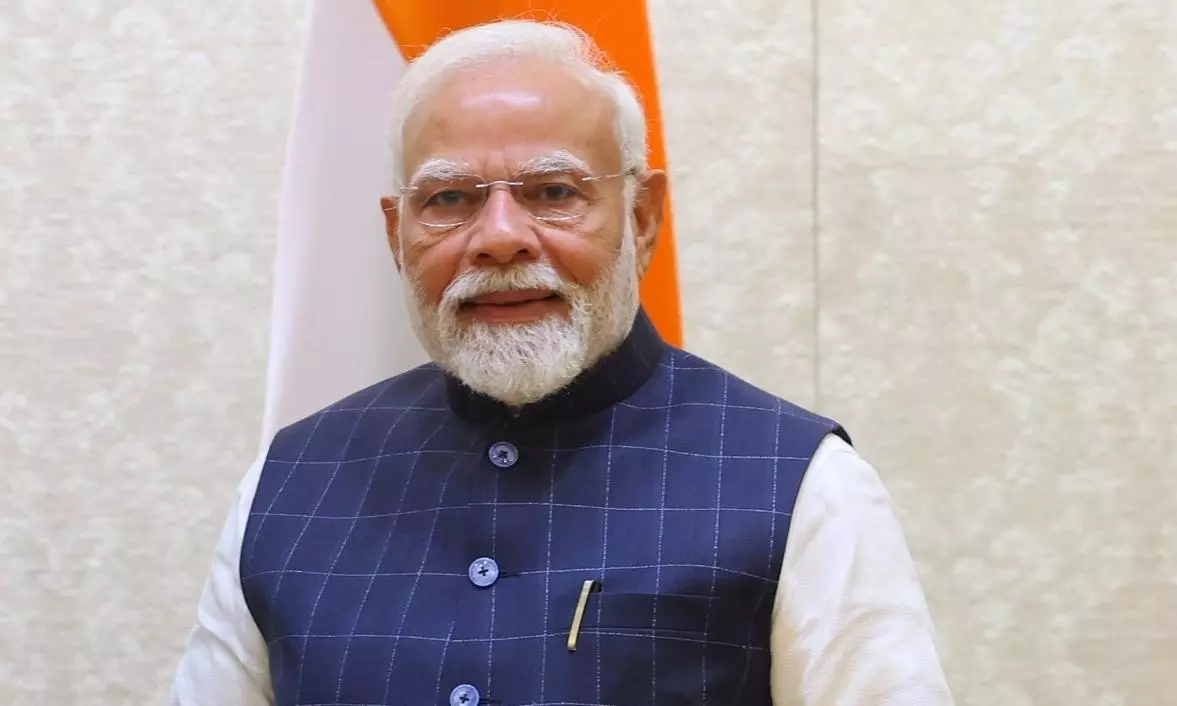
Addressing the forum in his Keynote address, Dr. Chandra Sekhar Pemmasani, Hon’bleMinister of State for Rural Development and Communication, said, “Heat is not just a climate issue. It is a humanitarian crisis. Promoting energy efficient cooling systems and prioritizing vulnerable communities will enable India to build a cooler, more sustainable and resilient future.” The minister highlighted the importance of embracing both innovation and traditional knowledge systems, such as millet farming, water tanks, and clay homes, which have enabled rural communities to adapt to extreme heat. “Our policies must learn from these practices to create scalable, equitable solutions for a warming world,” he added.
Recognizing India’s diverse climatic contexts and increasing vulnerability to extreme heat, the forum centered on three strategic pillars: driving scalability of sustainable heat and cooling solutions, ensuring equitable access to thermal comfort for all and protecting communities from extreme heat. With India and the world facing increasing extreme heat events and growing cooling demands, the Forum served as a crucial platform for multi-stakeholder collaboration in aligning policy, technology, and financing to drive equitable climate-resilient solutions.
Speaking at the event, Abhas Jha, Practice Manager, Climate Change and Disaster Risk Management, South Asia Region, The World Bank, said, “Indias heat burden will triple over this decade, even in a moderate heat scenario, as underlined by rising heatwaves and temperatures year-on-year. This is exacerbated by the high climate cost of cooling. Indias response, in the form of the India Cooling Action Plan and Heat Action Plans, is commendable. However, we now must prioritize proactive, preventive and multisectoral solutions to addressing heating more equitably.”
A central theme of the forum was ensuring that low-income and marginalized communities have access to affordable and effective cooling solutions. Discussions underscored the importance of policy alignment, industry innovation, and financing partnerships to scale cooling interventions across India towards this objective. Moving beyond short-term relief, experts stressed the need for long-term resilience strategies, equitable access to cooling, and sustained investment. Treating heat as a structural development challenge requires proactive leadership, community-driven action, and data-informed solutions at all levels.
Manish Bapna, President & CEO, NRDC, reinforced the commitment to work on these two issues synergistically, stating,“Addressing the twin, deeply interlinked crises of extreme heat and sustainable cooling requires bold and collective action, guided by equity and scalability. We must ensure that the most vulnerable communities-those disproportionately affected by climate change-have access to equitable and sustainable cooling solutions. This forum showcases how collaboration across governments, industries, and civil society can drive systemic change, advancing India’s climate goals while safeguarding public health and protecting our most vulnerable populations.”
Hosted at Bharat Mandapam on March 17 and at The Imperial on March 18, Day 1 explored the interconnected nature of tackling extreme heat and sustainable cooling. Climate experts including Radhika Khosla, Associate Professor, University of Oxford; Roxy Mathew Koll, Climate Scientist, Indian Institute of Tropical Meteorology; Joy Shumake-Guillemot, Lead, WHO/WMO Joint Office for Climate and Health; and Amit Prothi, Director General, Coalition for Disaster Resilient Infrastructure, discussed the Heat-Cooling Paradox-where rising temperatures drive greater demand for cooling, but reliance on inefficient and non-renewable energy solutions further exacerbates climate change; intensifying heat stress. The session highlighted strengthening governance frameworks-from the national to local level -and multi-stakeholder partnerships as key to comprehensive and localiszed Heat Action Plans.
The day concluded with insights from Saurabh Kumar, Vice President, India, Global Energy Alliance for People and Planet; Dr. Aakash Srivastava, Additional Director, National Program on Climate Change and Human Health, National Centre of Disease Control Ministry of Health and Family Welfare, Government of India; Sujata Saunik, Chief Secretary, Government of Maharashtra; Sandra Akua Akpene Adayemi Freitas, CEO, Sustainable Solutions for Africa; and Gaya Prasad, Deputy Director General (Rural Housing), Ministry of Rural Development, Government of India, on empowering local communities and driving policy alignment to bolster resilience.
Day 2 shifted focus to practical solutions and financing mechanisms, addressing equitable access to cooling, exploring passive cooling technologies, and nature-based solutions. Prof. Kristie Ebi, Center for Health and the Global Environment (CHanGE); University of Washington; Dr. Ronita Bardhan, Cambridge University; Melanie Slade, Senior Programme Manager, International Energy Agency; Shruti M. Deorah, Executive Director, India Energy & Climate Center (IECC) and Goldman School of Public Policy, University of California, Berkeley emphasized the economic and health impacts of extreme heat, particularly on vulnerable communities.
Safi Ahsan Rizvi, Advisor, National Disaster Management Authority, NDMA; Aaran Patel, Executive Director, Climate, The Nand & Jeet Khemka Foundation; Deepak Singh, Lead Disaster Risk Management Specialist at The World Bank; Nidhi Upadhyaya, Deputy Director for Global Policy and Finance, Climate Resilience Center, Atlantic Council; and Sandeep Jain, Chief Financial Officer, Bajaj Finance Limited highlighted scalable financing models to support heat resilience efforts, with case studies showcasing successful funding mechanisms in the Global South. Their session concluded with insights from Daniel P Schrag, Professor, Harvard Department of Earth, on effective communication and storytelling, reinforcing the need for community engagement and sustained investment in climate resilience.
Building on the momentum of the Forum, NRDC, NDMA, DST and The World Bank will work on a follow up consultation with national and state stakeholders to provide advice and support the development and implementation of integrated solutions to the dual challenges of extreme heat and sustainable cooling, based on ideas that evolved from the March 2025 Global Heat and Cooling Forum.
About NRDC
NRDC (Natural Resources Defense Council) is an international non-profit environmental organization with more than 3 million members and online activists. Since 1970, our lawyers, scientists, and other environmental specialists have worked to protect the world’s natural resources, public health, and the environment. NRDC’s India Program on Climate Change and Clean Energy, launched in 2009 and registered as an independent organization in 2022, works with local partners to help build a low-carbon, sustainable economy.
About the Global Heat & Cooling Forum
The Global Heat & Cooling Forum aims to convene key stakeholders from government, industry, academia, and non-governmental organizations to explore practical strategies for addressing the global challenge of securing much broader protection from extreme heat through sustainable cooling solutions.
For Hindi press release, please click here.