Kumar Bahukhandi
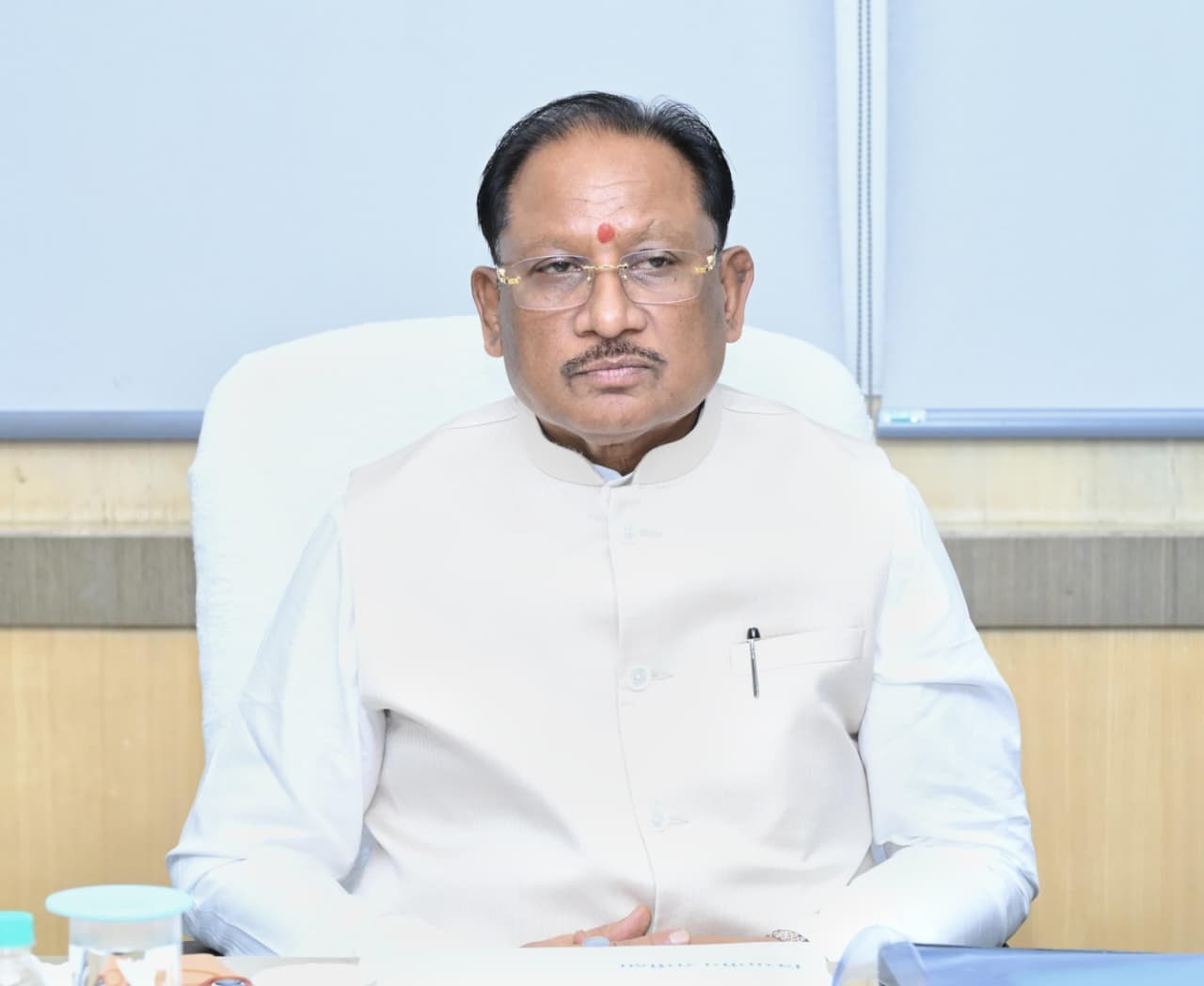
Chief Minister Vishnu Deo Sai reviews the roadmap for a technology-driven overhaul of Chhattisgarh’s revenue administration, emphasising transparency, accountability and citizen-centric governance. Photo Credit-channel24india.com via CMO
From WhatsApp land records to cyber tehsils, the state charts an ambitious roadmap for faster, transparent and citizen-centric revenue services
Raipur : In a decisive push to modernise Chhattisgarh’s revenue administration, Chief Minister Vishnu Deo Sai on Tuesday July 7, 2026 unveiled a series of technology-driven reforms aimed at making land and revenue services faster, more transparent and accessible to citizens without the need for repeated visits to government offices.
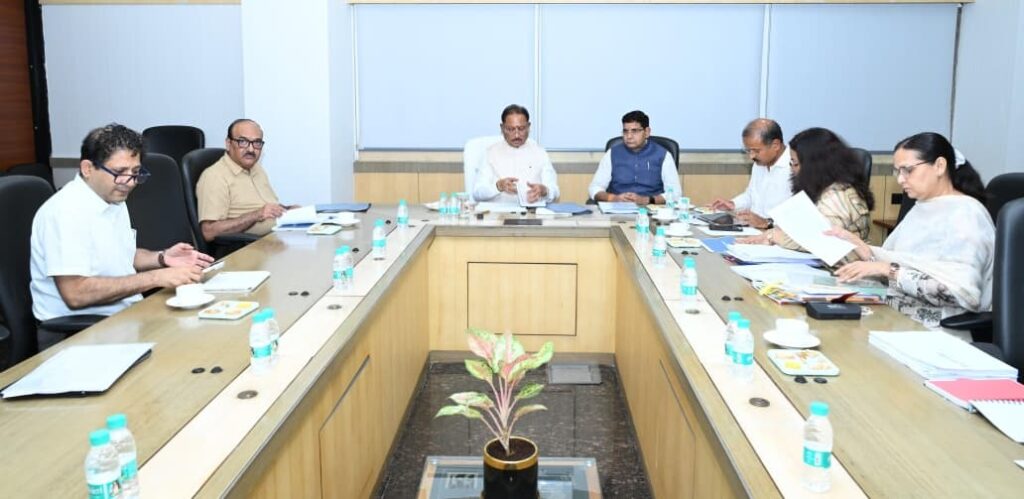
Chief Minister Vishnu Deo Sai chairs a high-level review of the Revenue and Disaster Management Department, outlining reforms ranging from WhatsApp-based land records and unified digital archives to cyber tehsils and faster disposal of revenue cases-Photo Credit-channel24india.com via CMO
Chairing a high-level review meeting of the Revenue and Disaster Management Department at Mahanadi Bhawan, the Chief Minister emphasised that governance must move beyond digitizing files to delivering services directly to people’s fingertips.
One of the most significant initiatives discussed during the meeting was a proposal to make B-1 extracts, Khasra records, loan passbooks and other land-related documents available through WhatsApp, enabling farmers and landowners to access authenticated records instantly from anywhere.
“Revenue administration touches the lives of every citizen, particularly farmers. Technology should simplify governance and reduce the distance between the government and the people,” the Chief Minister observed during the review.
Towards a Paperless and Citizen-Friendly Revenue System
The meeting focused on accelerating digital transformation across the revenue department while ensuring accountability, transparency and timely disposal of cases.
Sai reiterated the government’s zero-tolerance policy towards corruption and administrative negligence, directing officials to ensure that citizens receive hassle-free services without unnecessary procedural delays.
The Chief Minister also reviewed the progress of the Digital Farmer Record initiative and instructed officials to complete digitization of land-related documents within a defined timeframe.
VASUNDHARA to Build a Unified Digital Land Archive
A major highlight of the review was the VASUNDHARA (Verified Accessible System for Unified Digital Land Records & Historical Archives) project, envisioned as a comprehensive digital repository of revenue records across the state.
Once fully implemented, the platform will enable citizens to obtain certified copies of land records within minutes while significantly reducing the possibility of record tampering.
Officials informed the meeting that historical land records from every district and tehsil would be integrated into a single digital archive, making record retrieval faster and more reliable.
Cyber Tehsils on the Horizon
The state government is also exploring the introduction of Cyber Tehsils, an initiative that could fundamentally change the way routine revenue services are delivered.
Under the proposed system, uncontested mutation, partition, and several other revenue services could be processed entirely online through a centralized digital platform.
The Chief Minister directed officials to study successful models adopted by other states before finalizing the framework for implementation.
Faster Relief and Better Monitoring
Sai instructed officials to ensure the prompt and compassionate disposal of RBC 6-4 compensation cases, noting that the proposed online application system would make the entire process more transparent and time-bound.
He also called for expedited disposal of pending revenue cases, timely settlement of land demarcation disputes, and regular district-wise monitoring of cases pending beyond prescribed timelines.
Focus on Unsurveyed Villages
Giving special priority to unsurveyed villages, particularly in the Abujhmad region, the Chief Minister directed officials to complete land surveys within stipulated timelines so that accurate land records could be prepared and residents could fully benefit from government welfare programs.
Preparing for the Digital Agriculture Ecosystem
The review also covered implementation of the SVAMITVA Scheme, updating of Forest Rights Act records, execution of the Pattadhriti Act, 2023, development of Agri Stack, Farmer Registry, and preparations for the upcoming digital crop survey and Girdawari during the Kharif season.
Sai stressed that these initiatives would create a more integrated and technology-enabled agricultural support system for farmers.
Infrastructure and Human Resources
Recognising the importance of administrative capacity, the Chief Minister directed the department to expedite recruitment for vacant posts of Patwaris, Revenue Inspectors, clerical staff and other field-level personnel. He also instructed officials to strengthen tehsil infrastructure and ensure adequate vehicle support for tehsildars to improve field administration.
Concluding the review, Sai said the objective of governance reforms extends beyond digitisation.
“Our goal is to build a revenue administration that is transparent, responsive, accountable and worthy of public trust. Technology must ultimately improve the citizen’s experience of governance,” he said.
The meeting was attended by Revenue Minister Tank Ram Verma, Chief Secretary Vikas Sheel, Principal Secretary to the Chief Minister Subodh Kumar Singh, .Secretary to the Chief Minister Rahul Bhagat, Joint Secretary Prabhat Malik, Revenue Secretary Shammi Abidi, and other senior officials.