Kumar Bahukhandi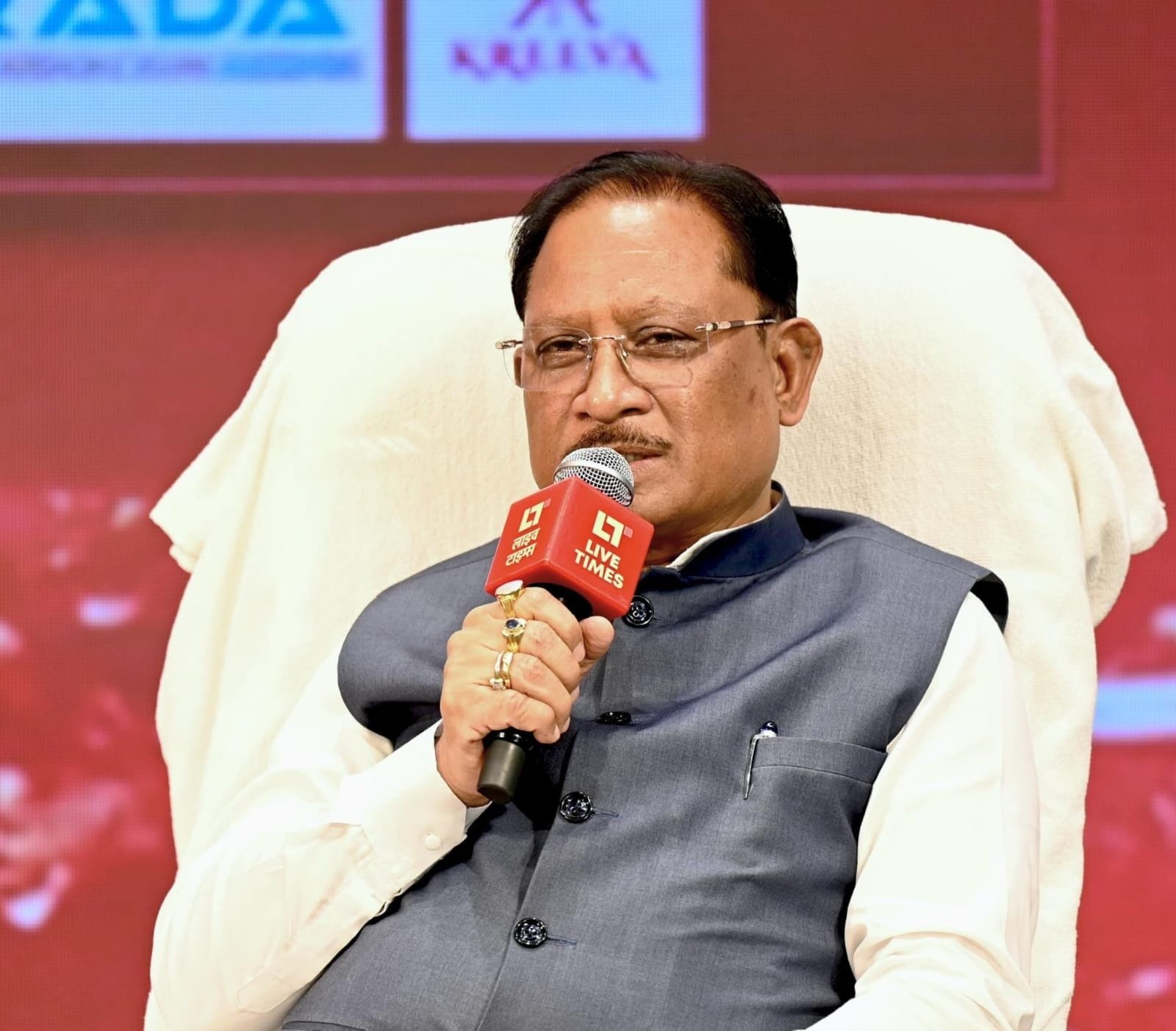
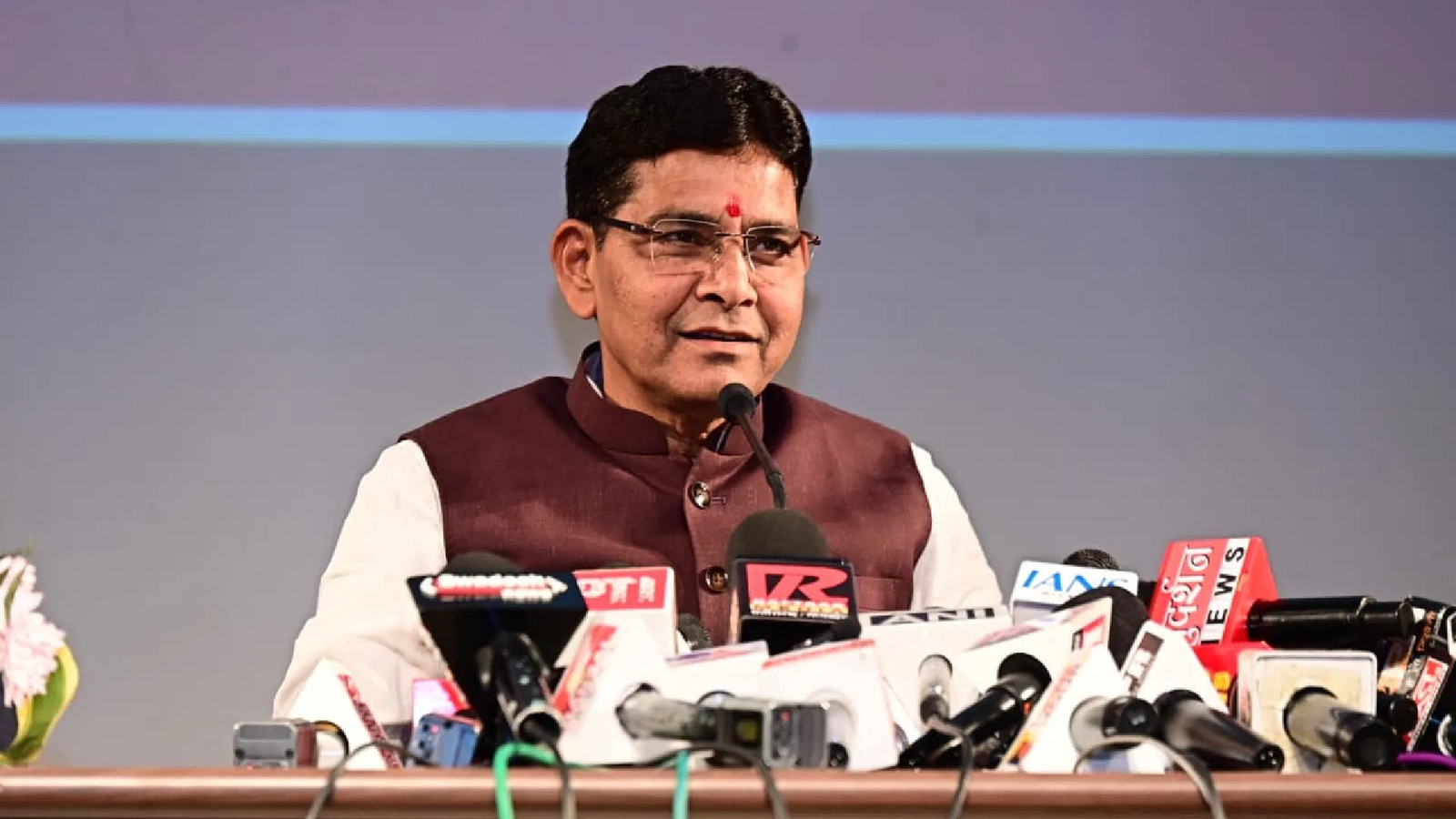
Chhattisgarh Chief Minister Vishnu Deo Sai speaks during an interaction in Raipur on September 5, 2026, outlining his government’s vision for a Naxal-free, development-driven Chhattisgarh and the State’s roadmap towards 2047-Photo Credit:channel24india.com via CMO
From a decisive push against Naxalism and a new development roadmap for Bastar to ₹8.25 lakh crore investment proposals and an ambitious AI mission, Chief Minister Sai outlines his vision for Chhattisgarh@2047
Raipur: Chief Minister Vishnu Deo Sai has said Chhattisgarh is moving beyond the challenge of Naxalism and entering a new era of development, good governance, investment and innovation, expressing confidence that the State will establish itself among India’s leading states on the journey towards Viksit Bharat@2047.
Sai said the government was working systematically to convert Chhattisgarh’s natural resources, youthful population and enormous development potential into public welfare and economic prosperity.
Key Highlights
- Government aims to make Bastar one of India’s most developed tribal regions, with security camps increasingly being transformed into ‘Seva Dera’ centres connecting people with skills and employment.
- More than 11 lakh houses have been completed in the past two years after approval of 18 lakh PM Awas homes; around 1,600 houses are being built every day.
- Chhattisgarh has received investment proposals worth approximately ₹8.25 lakh crore, with semiconductor, data-centre and other technology projects beginning to take shape.
- Under the proposed AI Mission, around six lakh students and 1.5 lakh government employees are to be trained in artificial intelligence.
- The State is working towards expanding irrigation to nearly 80,000 acres through projects on the Indravati river.
- Sai said the government has introduced stringent provisions against religious conversions carried out by taking unfair advantage of poverty or lack of education.
Naxalism to Development: Bastar at the Centre of New Strategy
Recalling the long impact of Left-wing extremism on Chhattisgarh, Sai said the perception of the State was changing rapidly as security gains opened the way for development.
He said that when the present State government came to power in 2023, nearly 75 per cent of the remaining Naxal problem in the country was concentrated in Chhattisgarh. A coordinated strategy involving the Centre and the State subsequently strengthened operations against Naxalism.
“The success achieved today is the result of the courage, dedication and sacrifice of our security forces, which Chhattisgarh will always remember,” Sai said, according to the government account of his remarks.
The Chief Minister emphasised that the government never viewed security operations as the only answer. Development and public confidence, he said, were integral to the strategy because people in Bastar had remained deprived of basic development for nearly four decades.
Through the Niyad Nellanar initiative, roads, ration facilities, healthcare, education and government schemes are being extended to villages around security camps. Sai said some villagers earlier spent as many as five days travelling to obtain ration; government services were now reaching their doorstep.
‘Seva Dera’ and a New Bastar
Sai said his government wants to establish Bastar among the country’s most developed tribal regions. Schools closed because of Naxal violence are being reopened, while connectivity, healthcare and livelihood opportunities are being expanded.
Security camps are now being developed as ‘Seva Dera’, through which local youth will be linked with skill development and employment opportunities. Homestays are also being encouraged to tap Bastar’s tourism potential, with provisions for loans and subsidies.
Education Cities are planned at Orchha and Jagargunda on the lines of Dantewada’s education hub, while a medical college has been approved at Geedam. At the primary level, tribal children are being connected with education through local languages such as Gondi and Halbi.
“Our aim is to make Bastar one of the most developed tribal regions of the country,” Sai said, outlining a model built around local needs, culture and aspirations.
18 Lakh Homes, Mahatari Vandan and Farmers
Sai said one of the first major decisions of his government was the approval of 18 lakh houses under the Pradhan Mantri Awas programme. More than 11 lakh houses have been constructed during the past two years, with approximately 1,600 homes being built daily.
“For a poor family, a permanent house is not merely a roof; it is the foundation of dignity, security and a better future,” the Chief Minister said.
On women’s empowerment, he said beneficiaries of the Mahatari Vandan Yojana receive ₹1,000 every month and 31 instalments have so far been provided. Women are using the assistance for activities ranging from small grocery businesses to purchasing sewing machines and other livelihood initiatives.
Sai also reiterated the government’s focus on agriculture, saying approximately 75 per cent of Chhattisgarh’s farmers are small and marginal. The State is procuring 21 quintals of paddy per acre at ₹3,100 per quintal while working to strengthen irrigation, modern agriculture and the rural economy.
₹8.25 Lakh Crore Investment Proposals
Industrial development formed another major part of Sai’s vision. He said Chhattisgarh had received investment proposals of approximately ₹8.25 lakh crore, aided by the State’s new industrial policy and investment-friendly environment.
Projects associated with future technologies, including semiconductor manufacturing and data centres, are beginning to take shape. A MediCity spread over approximately 100 acres is also being developed in Nava Raipur.
“Our objective is not merely to attract investment, but to create large-scale employment, bring modern technology and generate new economic opportunities in the State,” Sai said.
Six Lakh Students to Receive AI Training
Looking towards emerging technology, Sai said Chhattisgarh was working on an Artificial Intelligence Mission under which six lakh students and around 1.5 lakh employees are proposed to receive AI training.
The State is also exploring the use of AI across government departments to improve administrative efficiency and make citizen services more effective.
The Chief Minister said Chhattisgarh had already created a dedicated Good Governance and Convergence Department, while e-files and digitisation were being used to make government processes more transparent, accountable and accessible.
Chhattisgarh@2047
Sai said the State was advancing simultaneously on several fronts — peace and development in Bastar, welfare of poorer families, women’s empowerment, farmers’ interests, industrial investment, technology and transparent administration.
“Our goal is not merely to solve today’s problems, but to build a Chhattisgarh for future generations that is prosperous, secure, self-reliant and full of opportunities,” Sai said.