Kumar Bahukhandi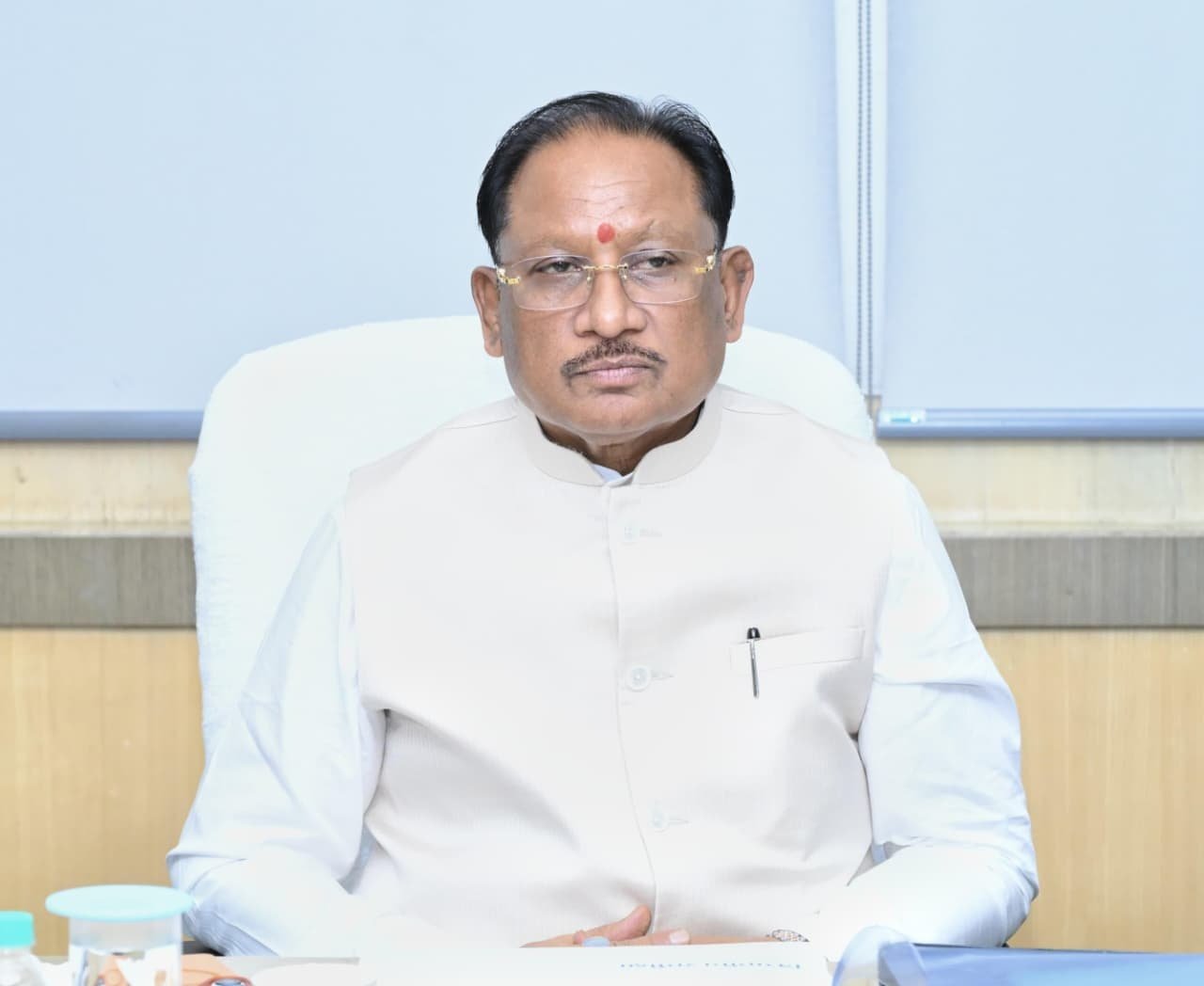
Chief Minister Vishnu Deo Sai has ordered a serious investigation into allegations of misconduct involving girl students at an Eklavya residential school in Bijapur and directed district administrations across Chhattisgarh to strengthen safety and grievance-redressal mechanisms in girls’ hostels and residential schools.(File Photo)
Chhattisgarh Chief Minister directs Collectors and SPs to strengthen safeguards across girls’ hostels and residential schools, insisting that complaints must never be suppressed or allowed to disappear within the system
Key Highlights
- CM Vishnu Deo Sai orders investigation into allegations concerning girl students at an Eklavya residential school in Bijapur.
- Bijapur Collector and SP directed to take lawful action based on investigation findings.
- All Collectors asked to regularly inspect girls’ hostels, ashrams and residential schools.
- Institutions must provide channels through which girls can report concerns without fear or hesitation.
- Officials could also face accountability if complaints are ignored, suppressed or action is delayed.
- Police and district administration directed to coordinate immediately in complaints involving harassment or intimidation.
- Counselling and necessary support to be provided to affected students wherever required.
Raipur: Chief Minister Vishnu Deo Sai on Sunday took serious cognisance of a complaint of alleged misconduct involving girl students at an Eklavya residential school in Bijapur, ordering an investigation and sending a wider message across Chhattisgarh: a child should never have to remain silent because the institution responsible for her safety failed to listen.
Sai directed Bijapur Collector Vishwadeep and the Superintendent of Police to examine the allegations seriously and initiate stringent action in accordance with law on the basis of the findings.
At the same time, he expanded the response beyond the individual case, directing Collectors and Superintendents of Police across Chhattisgarh to review safety arrangements in residential schools and hostels for girls.
The directions are significant because residential institutions assume responsibilities extending well beyond education. For children living away from their families, a hostel or residential school becomes their home, placing an additional duty of care on administrators, wardens and other employees.
“Residential schools and hostels are not merely places of study for children; they are like their homes. Parents send their children to these institutions with trust, and protecting that trust is the responsibility of every officer and employee associated with them,” Sai said.
From Responding to Complaints to Preventing Abuse
The Chief Minister’s directions seek to move the administrative response beyond action only after an allegation surfaces.
Collectors have been asked to regularly inspect girls’ hostels, ashrams and residential schools and verify whether prescribed safety arrangements and protocols are actually being followed. Attendance of hostel superintendents and other responsible staff, campus security and mechanisms for addressing students’ grievances are also to be reviewed.
Crucially, Sai called for arrangements through which girls can communicate their concerns without fear or hesitation.
That element could prove particularly important in residential institutions, where children may hesitate to report inappropriate behaviour because of fear, embarrassment, dependence on staff or uncertainty over whether their complaint will be believed.
“Children must be provided a safe, fear-free and dignified environment under all circumstances,” the Chief Minister said.
He made it clear that responsibility would not stop with the person found directly responsible for wrongdoing.
If an investigation establishes that a complaint was ignored or suppressed, or that officials attempted to conceal it or delayed necessary action, accountability should also be fixed on those responsible for those failures, he directed.
“No compromise with the safety and dignity of children will be accepted,” Sai said, calling for every complaint concerning misconduct, harassment or an unsafe environment to be handled immediately and sensitively.
A System in Which Girls Can Speak Without Fear
The wider challenge is to ensure that reporting mechanisms work before a situation becomes serious.
Sai therefore asked officials to establish regular interaction and effective monitoring so that warning signs can be identified early rather than waiting for a formal complaint after an incident.
District administrations and police have been directed to coordinate immediately whenever information concerning alleged harassment, misconduct, intimidation or threats involving girl students is received.
Counselling and other necessary assistance should also be made available to affected students wherever required.
The latest directive comes only days after Sai intervened over problems faced by girl students at the Shivpur Eklavya Residential School in Surguja, where students reportedly walked towards the Collectorate to raise grievances concerning basic facilities. At the time, the Chief Minister questioned why students had been forced to leave their school to have their problems heard and ordered accountability for administrative lapses.
Taken together, the interventions underline a larger question for residential education: whether children have an accessible and trusted mechanism within the institution itself to speak when something is wrong.
The official Chhattisgarh Eklavya Model Residential School system continues to serve students across the state, including through admissions for the 2026–27 academic session.
For parents sending daughters to residential institutions, infrastructure and academic performance matter—but so does the confidence that a child will be heard immediately if she feels unsafe.
Sai summed up that responsibility in unequivocal terms:
“Our daughters should study fearlessly, move forward and fulfil their dreams. Providing them a safe environment is our collective responsibility.”
The effectiveness of the directive will ultimately depend on whether inspections become genuinely preventive, complaint systems remain accessible to students and accountability follows whenever safeguards fail.