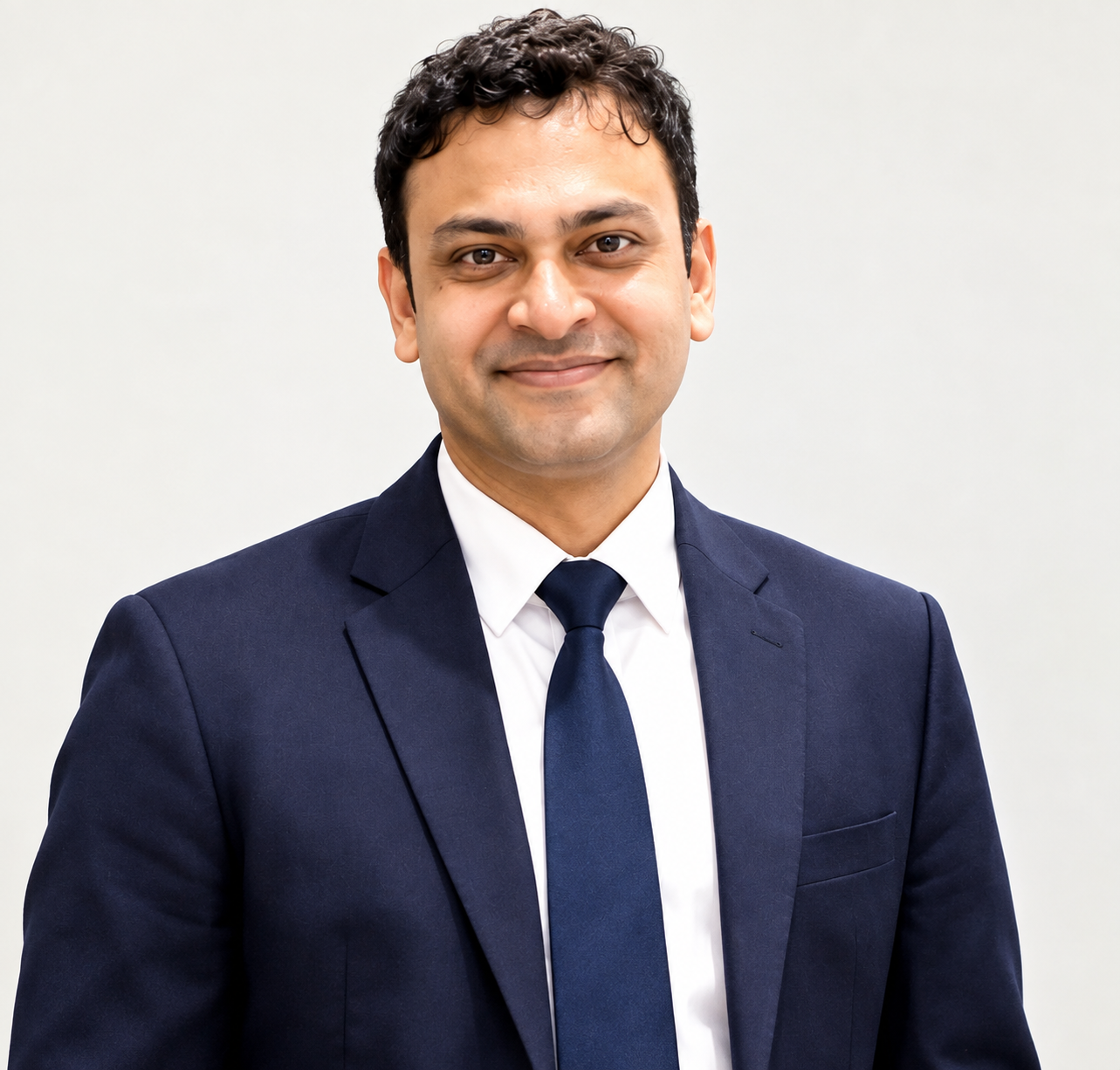
Kumar Bahukhandi
Cardiac care is no longer a metro-only concern, as growing diagnosis and treatment needs bring India’s smaller cities and towns into sharper focus this World Heart Day. Representational image: PrimeLookIndia.com
World Heart Day is a reminder that India’s cardiac challenge is no longer a story confined to metropolitan hospitals
For years, serious cardiac treatment in India was largely associated with big cities, large hospitals and patients travelling considerable distances to reach specialists. That picture is changing. Heart disease, of course, never belonged exclusively to the metros; what is changing is where it is being diagnosed, treated and, importantly, recorded.
Data released by Universal Sompo General Insurance around World Heart Day offers an interesting window into this changing geography. According to the insurer’s claims experience, nearly seven out of ten cardiac claims are now coming from non-metro locations, while claims from Tier 2 cities have more than doubled over the past three financial years.
These are figures from one insurer and should not be mistaken for national epidemiological data. Yet they raise a question worth examining: are we still looking at India’s heart-health challenge through an excessively metro-centric lens?
A Heart Attack Does Not Ask Where You Live
Illness has never respected geography.
A heart does not know whether its owner lives in Mumbai, Raipur, Delhi, Jagdalpur or a small town that rarely makes national headlines. What matters at the moment of a cardiac emergency is whether the warning signs are recognised, whether appropriate medical help is available and, crucially, whether it can be reached in time.
The growth of cardiac claims outside metropolitan India can be interpreted in several ways. Better diagnostic facilities are reaching smaller cities. Specialised hospitals and cardiac-care facilities are becoming more accessible. Health awareness has increased. Insurance penetration and healthcare utilisation are also changing.
There is, however, another side to this development.
More diagnosis does not necessarily mean more disease suddenly appeared. Sometimes it means a condition that previously remained undetected is finally being recognised.
That is progress, but it also reveals the scale of the challenge.
World Heart Day should therefore be about more than telling people to exercise, eat sensibly and periodically check their blood pressure. Those messages remain important, but prevention becomes meaningful only when awareness is accompanied by accessible diagnosis and timely medical care.
A person living in a smaller town should not have to wait until a cardiac condition becomes an emergency before discovering that specialised treatment is several hours away.
Then comes the question we sometimes hesitate to discuss when talking about health: money.
Cardiac treatment can be expensive. According to indicative figures cited by Universal Sompo, coronary angiography and medical management may cost around ₹1 lakh to ₹2.5 lakh, coronary angioplasty around ₹2.5 lakh to ₹4 lakh, bypass surgery approximately ₹4.5 lakh to ₹6.5 lakh, and aortic valve replacement around ₹12 lakh to ₹16 lakh. Actual costs naturally vary according to the hospital, location, complexity of treatment and individual medical requirements.
For a middle-income family, even the lower end of some of these figures can disturb years of financial planning.
For a family with limited savings, it can be devastating.
Health insurance can provide an important financial cushion against eligible hospitalisation expenses, but insurance should not become the entire conversation. A policy can help pay a hospital bill; it cannot substitute for prevention, early diagnosis, medical infrastructure or responsible personal health choices.
This distinction is important, particularly when health statistics originate from an insurance company.
Universal Sompo Chief Customer Officer Varsha Gujarathi has pointed to the increasing emergence of cardiac-care requirements from smaller cities and towns, while stressing prevention, regular screening, early intervention and financial preparedness.
The broader message deserves attention beyond the insurance industry.
India’s healthcare conversation has to travel beyond its metros.
Tier 2 and Tier 3 cities are expanding rapidly. Lifestyles are changing. Work has become increasingly sedentary for many people. Food habits, stress, commuting patterns and physical activity are changing too. At the same time, access to sophisticated medical diagnosis is improving.
These changes make it increasingly difficult to divide India neatly into an urban population facing so-called lifestyle diseases and a smaller-town population supposedly protected from them.
The heart makes no such distinction.
World Heart Day is observed once a year. Our hearts, fortunately, do not work on an annual schedule.
Perhaps that is the simplest message worth carrying beyond September 29.
Do not wait for a campaign to check your blood pressure. Do not ignore recurring discomfort because you are busy. Do not assume that heart disease is somebody else’s problem because you are young, live outside a metro or consider yourself reasonably healthy.
And do not wait for the heart to shout when it may have been whispering for quite some time.
The heart doesn’t know your PIN code. Neither should India’s approach to cardiac care.
— Kumar Bahukhandi