Kumar Bahukhandi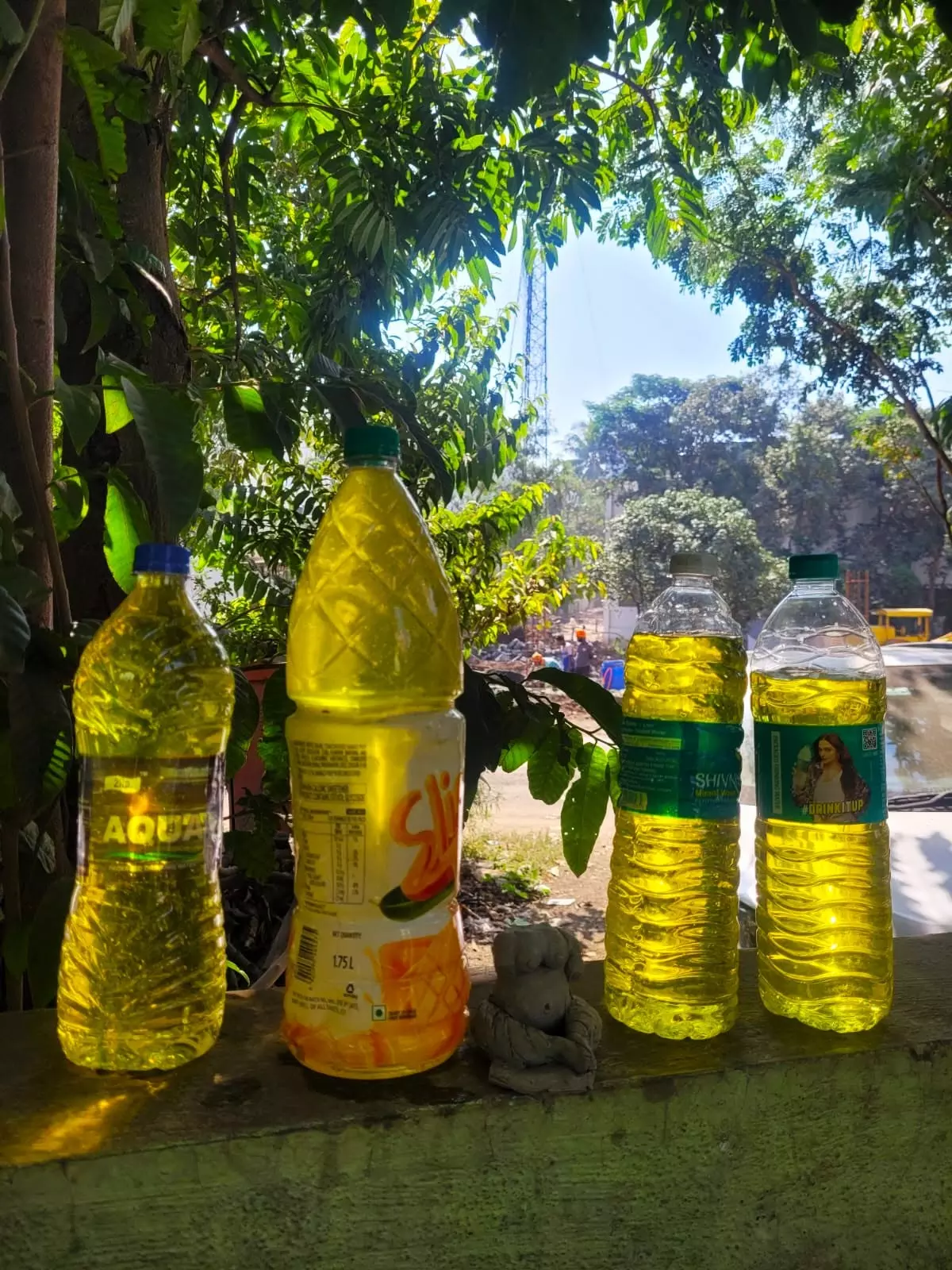
Plastic bottles containing unusually yellow water collected in the Ambad area of Nashik, Maharashtra, illustrate concerns over groundwater contamination. Laboratory analysis commissioned by SANDRP detected extremely high hexavalent chromium concentrations in a local borewell sample, prompting demands for urgent action ahead of the 2027 Nashik Kumbh Mela. SANDRP IMAGES
Environmental group reports hexavalent chromium contamination at Ambad at up to 1,000 times the cited safety threshold; concerns grow over industrial pollution, the Godavari River and public health ahead of the religious gathering
Key Highlights
- South Asia Network on Dams, Rivers and People (SANDRP) reports severe groundwater contamination in Ambad, Nashik.
- Laboratory findings reportedly show hexavalent chromium, a cancer-linked industrial contaminant, at concentrations around 1,000 times the cited safety limit.
- Residents have reportedly experienced skin problems and other health complaints.
- SANDRP raises concerns about contaminated drainage entering the Godavari River.
- The findings have implications for environmental protection and public health ahead of the forthcoming Nashik Kumbh Mela.
- The reported groundwater results do not, by themselves, establish contamination levels at every Kumbh bathing ghat.
New Delhi: Laboratory tests on groundwater collected from Ambad in Maharashtra’s Nashik have revealed extremely high concentrations of hexavalent chromium, a toxic chemical associated with cancer, according to findings released by the South Asia Network on Dams, Rivers and People (SANDRP). The environmental network said a borewell sample contained 50.3 milligrams per litre of hexavalent chromium, approximately 1,006 times the drinking-water benchmark of 0.05 milligrams per litre cited in its report. The findings, released on October 8, 2026, have raised serious concerns about residents’ health, possible industrial pollution and the safety of the Godavari River ahead of the 2027 Nashik Kumbh Mela.
Laboratory Findings Reveal Extreme Chromium Contamination
According to SANDRP, the sample collected from a residential borewell in Ambad was analysed by an accredited laboratory after residents complained that groundwater had turned an unusual bright yellow.
The results showed total chromium at 50.5 milligrams per litre, of which 50.3 milligrams per litre was hexavalent chromium, commonly identified as chromium VI or Cr(VI).
Hexavalent chromium is recognised as a human carcinogen, particularly through inhalation exposure. Its presence at extremely high concentrations in groundwater is a serious contamination concern requiring urgent investigation and protective action.
The reported figures relate to a tested groundwater sample. They should not be interpreted as proof that every borewell or bathing location in Nashik contains the same concentration.
Industrial Activities in Ambad MIDC Under Scrutiny
SANDRP suspects that industrial activities in the Ambad Maharashtra Industrial Development Corporation (MIDC) area may be contributing to the contamination.
Electroplating, metal finishing, paint manufacturing and other industrial processes can involve chromium compounds.
The network has called for a comprehensive investigation into industrial waste disposal and the possibility of untreated effluents entering the groundwater system.
However, responsibility for the contamination has not yet been conclusively established through publicly available regulatory findings.
Identifying the source would require inspections, laboratory testing, groundwater-flow assessment and examination of industrial discharge records.
Residents Report Skin Ulcers, Blisters and Other Health Problems
The environmental group has documented serious complaints among residents who depend on local groundwater.
According to SANDRP, families have reported skin rashes, blisters, painful ulcers and other persistent health problems.
The organisation said children were among those affected and that some residents had developed slow-healing skin lesions.
SANDRP also reported that two women in the affected settlement had experienced miscarriages. It expressly acknowledged that any connection between those incidents and the contaminated water would require medical investigation.
The group said inadequate and irregular municipal water supplies had left some families dependent on potentially contaminated borewell water for domestic activities.
These accounts underline the need for medical screening and safe alternative water supplies, although individual medical conditions cannot be conclusively attributed to chromium exposure without clinical assessment.
Godavari River Pollution Raises Concerns Ahead of Kumbh Mela
The findings have wider significance because of Nashik’s religious importance and its preparations for the forthcoming Kumbh Mela.
SANDRP alleges that contaminated water from Ambad is entering local drainage channels and reaching the Godavari River through tributaries.
The network has warned that the affected drainage system connects with a stretch of the river associated with Kumbh bathing activities.
With the ceremonial Dhvajarohan scheduled for October 31, 2026, ahead of the 2027 gathering, the organisation has urged authorities to investigate the potential danger before large numbers of pilgrims arrive.
The report does not establish that all Kumbh ghats are contaminated. Separate river-water sampling is essential to determine the actual concentration, geographical spread and exposure risk at bathing locations.
Pollution Control Board’s Response Questioned
SANDRP has criticised what it describes as an inadequate regulatory response despite repeated complaints about contaminated groundwater.
According to the organisation, the Maharashtra Pollution Control Board issued a show-cause notice to one company on September 30, 2026, after reports of yellow water emerged.
The network alleged that the board had not made its water-testing findings publicly available or adequately communicated the results to affected residents.
The allegations raise questions about the speed of environmental enforcement and the information available to communities potentially exposed to hazardous substances.
Reports from Maharashtra also indicate that pollution authorities have collected river-water samples for examination. The outcome of those tests and any subsequent enforcement action would be important in establishing the full extent of the problem.
Environmental Group Demands Emergency Measures
SANDRP has called for immediate intervention by the Nashik Municipal Corporation, district administration, health authorities and pollution regulators.
Its principal demands include:
- Closing or isolating contaminated borewells and providing safe water through regular tanker supplies.
- Organising free medical camps, particularly for children, women and residents suffering from skin conditions.
- Publishing official water-testing data and conducting comprehensive inspections of industries in the Ambad MIDC area.
- Testing the Nandini tributary and downstream stretches of the Godavari to determine the extent of pollution.
- Identifying responsible polluters, pursuing legal action where warranted and ensuring environmental remediation under the polluter pays principle.
The network has also called for longer-term monitoring of groundwater quality and healthcare assistance for affected families.
Public Health Protection and River Safety Require Immediate Attention
The contamination findings present two connected challenges for the authorities: protecting residents already dependent on groundwater and determining whether pollutants are reaching areas used by the wider public.
The immediate priority is to establish which water sources are unsafe, prevent further exposure and ensure that affected communities receive medical attention.
At the same time, independent and transparent testing of the Godavari and its tributaries would help authorities assess the risks ahead of the Kumbh Mela.
The laboratory findings reported by SANDRP warrant urgent attention, but the precise source, distribution and public-health consequences of the contamination remain matters for further investigation.