Kumar Bahukhandi
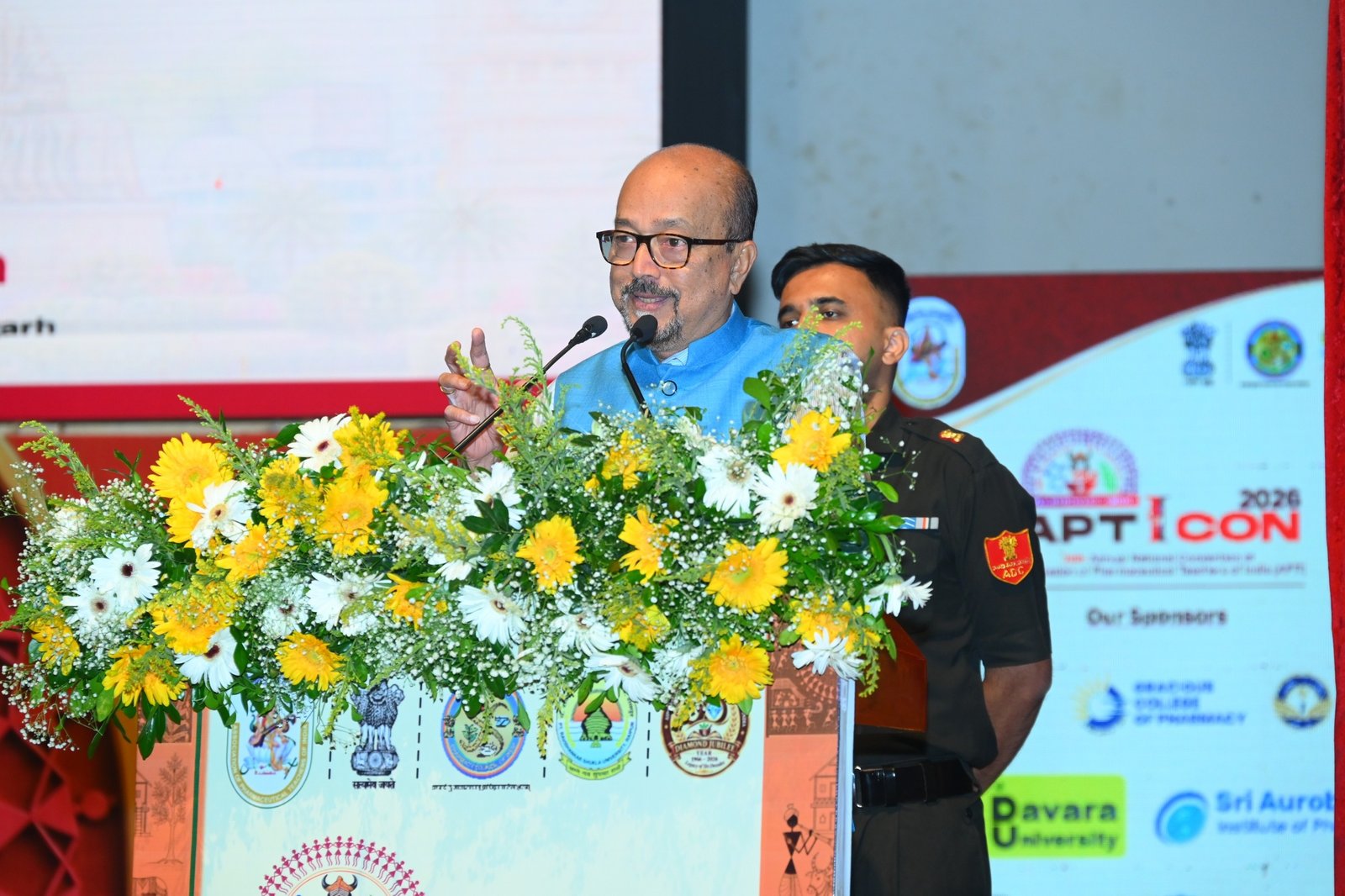
Governor Ramen Deka addresses APTICON-2026, the Association of Pharmaceutical Teachers of India’s 28th national convention, at Pandit Ravishankar Shukla University in Raipur on Saturday, 24 October 2026, calling for affordable medicines, stronger rural healthcare and action against counterfeit drugs. Photo:channel24india.com via CG/DPR
Addressing APTICON-2026 at Pandit Ravishankar Shukla University, the Governor calls for collective action on rural healthcare, scientific study of traditional remedies and ethical pharmacy education.
Key Highlights
- Governor Ramen Deka addresses APTI’s 28th national convention in Raipur.
- Calls for affordable medicines and improved access to healthcare in rural areas.
- Urges scientific research and documentation of Chhattisgarh’s traditional medicinal knowledge.
- Identifies counterfeit medicines as a threat to patient safety and public trust.
- Pharmacy Council of India president highlights curriculum changes involving AI and medical devices.
- Around 700 teachers, 900 students and 200 representatives from pharmacy, marketing and industry participate.
Raipur: Governor Ramen Deka has called upon doctors, pharmacists, teachers and researchers to work together to make treatment affordable, bring medicines within the reach of ordinary people and extend healthcare services to rural communities. Addressing the Association of Pharmaceutical Teachers of India’s 28th national convention, APTICON-2026, at Pandit Ravishankar Shukla University in Raipur on Saturday, 24 October 2026, he also stressed the need to curb counterfeit medicines and scientifically examine traditional medicinal knowledge.
The convention focused on the resolve of pharmacy educators to prepare pharmacists for a self-reliant India. It brought together educators, students, researchers and industry representatives to discuss affordable medicines, safe treatment, rural healthcare and quality research.
Healthcare and Education Must Serve Society
Deka said affordable treatment, reasonably priced medicines and access to healthcare in villages remained major challenges requiring coordinated efforts across the medical and pharmaceutical professions.
“Health and education should be treated as avenues of social service, rather than merely as businesses,” the Governor said.
He acknowledged the country’s progress in healthcare but noted that basic facilities still needed to reach substantial sections of the rural population. Addressing these gaps, he said, required a shared commitment from practitioners, educators and researchers.
Consider Patients’ Financial Circumstances
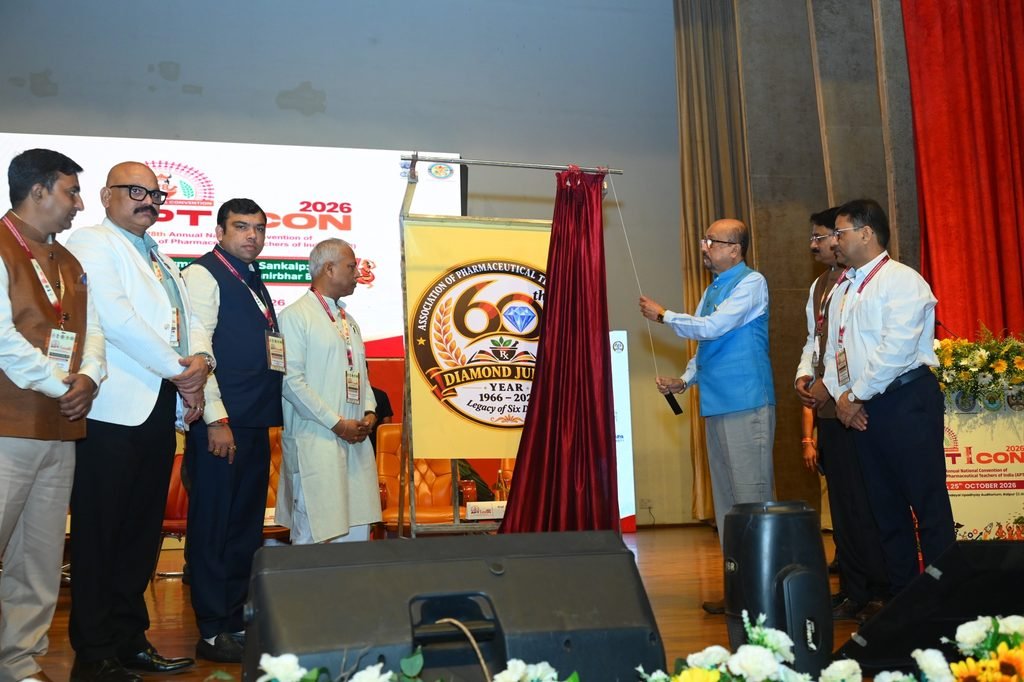
Governor Ramen Deka unveils the Association of Pharmaceutical Teachers of India’s diamond jubilee emblem during APTICON-2026 at Pandit Ravishankar Shukla University in Raipur on Saturday, 24 October 2026, as organisers and dignitaries look on. Photo: channel24india.com via CG/DPR
The Governor emphasised that medicine prices should remain within the reach of ordinary people. He urged doctors to consider patients’ financial circumstances while prescribing treatment and, wherever possible, choose effective, lower-cost alternatives.
“While prescribing medicines, doctors should keep the patient’s economic circumstances in mind and, wherever possible, opt for effective medicines available at a lower price,” Deka said.
His remarks placed affordability alongside access as an essential consideration in delivering healthcare.
Reach Tribal Villages with Health and Nutrition Awareness
Deka called for greater awareness of health and nutrition in tribal areas, urging doctors and pharmacists to reach villages and engage directly with communities.
He said pregnant women, mothers and newborn children required particular attention. Strengthening awareness among families, alongside improving access to services, was necessary to address their health needs.
Scientifically Study Traditional Medicinal Knowledge
The Governor highlighted the knowledge of medicinal plants and traditional treatment practices held by communities in Chhattisgarh’s tribal regions, particularly the Baiga community.
He called for systematic scientific study and documentation of this knowledge so that its potential usefulness could be assessed through modern research.
“The traditional knowledge of medicinal plants and treatment practices available in our tribal communities should be scientifically studied and documented,” Deka said.
He emphasised that information within Indian medical traditions needed to be examined scientifically to evaluate its applications.
Counterfeit Medicines Threaten Lives and Public Trust
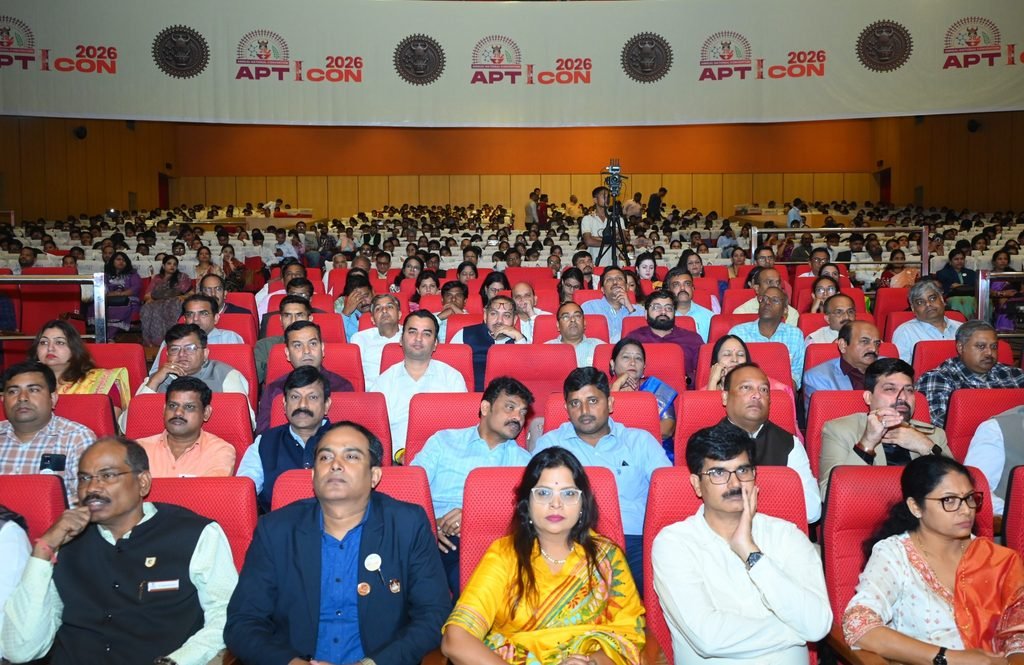
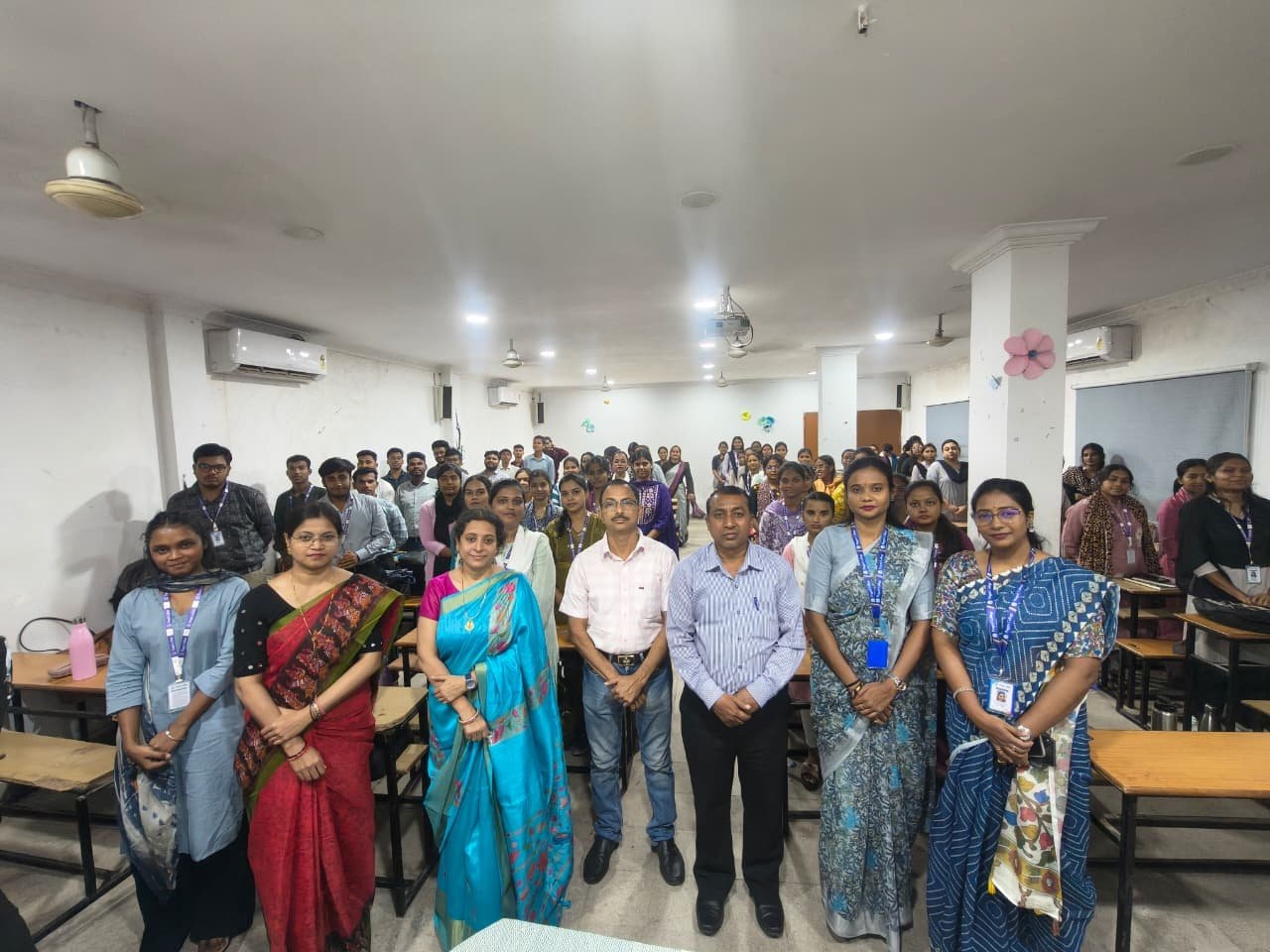
Pharmacy educators, researchers, students and industry representatives attend APTICON-2026 at Pandit Ravishankar Shukla University in Raipur on Saturday, 24 October 2026, joining deliberations on pharmaceutical education, affordable healthcare and quality research. Photo: channel24india.com via CG/DPR
Describing counterfeit medicines as a serious danger, Deka said they threatened patients’ health and lives while weakening confidence in the healthcare system.
He urged pharmacy students, teachers and the pharmaceutical industry to fulfil their responsibilities in ensuring medicine quality.
The Governor also appealed to students to use Artificial Intelligence and the internet to expand their knowledge while continuing to value independent thought, scientific reasoning and ethical principles.
Pharmacy Curriculum Responds to Technological Change
Pharmacy Council of India president Dr Montu M. Patel said subjects such as Artificial Intelligence and medical devices had been incorporated into pharmacy education in response to changing technology and industry requirements.
He also outlined an awareness campaign being conducted at 42 locations across the country on the unnecessary use of antibiotics.
The initiatives, he explained, reflected the need to prepare pharmacy professionals for emerging responsibilities while strengthening awareness of responsible medicine use.
Research on Chhattisgarh’s Forest-Based Resources
Pandit Ravishankar Shukla University Vice-Chancellor Prof. Sachchidanand Shukla outlined research activities underway at the university.
He highlighted the need to develop new products from Chhattisgarh’s forest-based medicinal resources and connect pharmaceutical research with other scientific disciplines.
His address drew attention to the scope for interdisciplinary work in studying the state’s medicinal resources and developing research-based applications.
Teacher Training and Industry Collaboration
APTI national president Dr Milind Janrao Umekar presented an account of the association’s activities.
He outlined efforts to strengthen training for pharmacy educators, encourage research and expand cooperation with industry. These areas formed part of the organisation’s work to support pharmaceutical teaching and professional development.
Education, Culture and Ethics for a Self-Reliant India
Bharatiya Shikshan Mandal’s All India Organising Secretary B.R. Shankaranand highlighted the role of education, culture and ethical values in building a self-reliant India.
He said education should serve as a means of social transformation and the development of responsible citizens.
Broad Participation in National Convention
Approximately 700 teachers, 900 students and around 200 representatives associated with pharmacy, marketing and industry participated in the convention.
Deliberations examined how affordable medicines, safe treatment, stronger rural health services and quality research could contribute to improving the healthcare system.