Kumar Bahukhandi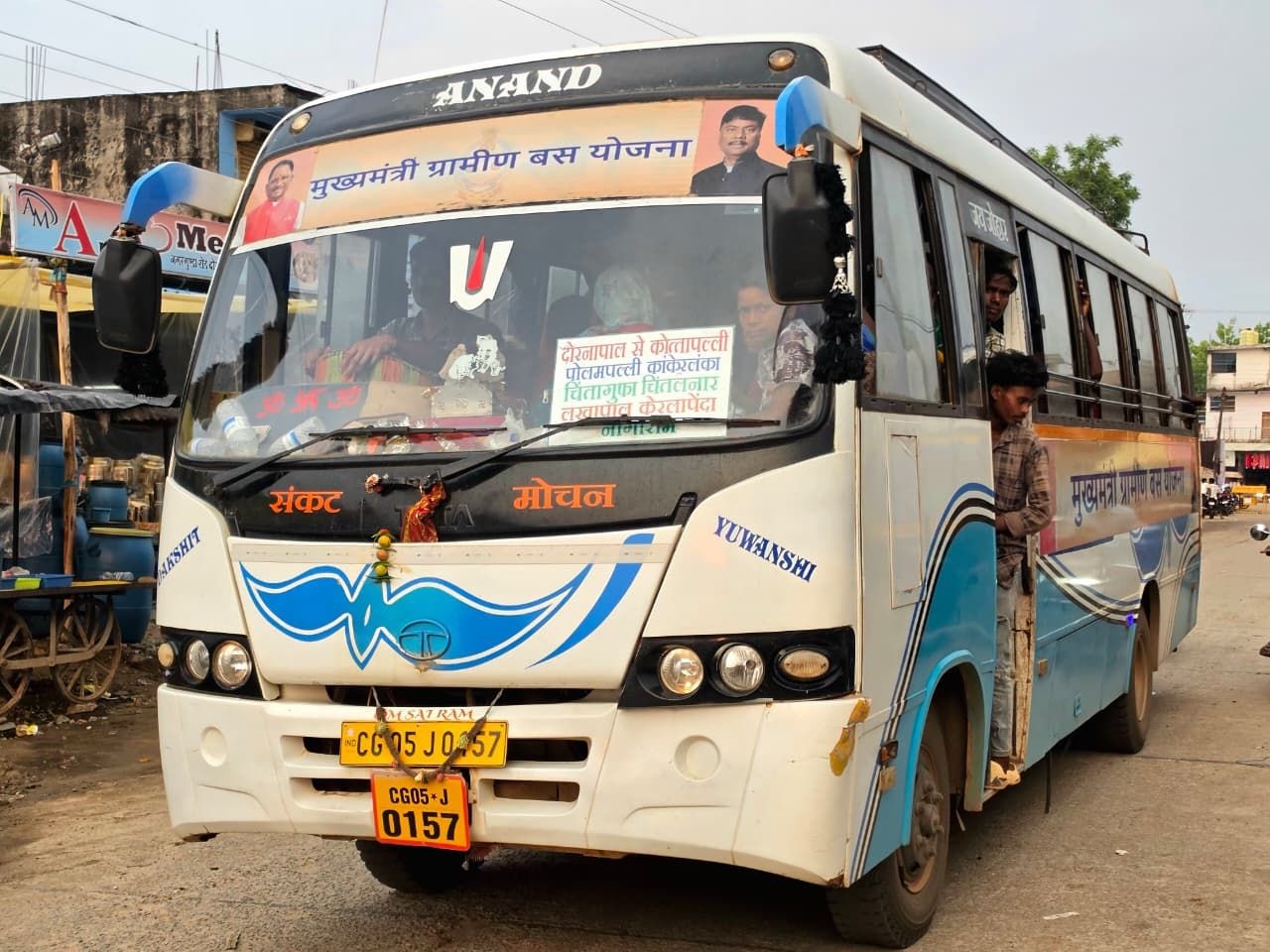
Raipur: In the remote stretches of Sukma district, a quiet but decisive shift is underway. Villages once cut off by fear and difficult terrain are now finding steady links to nearby towns. With the decline of Maoist activity and stronger security arrangements, everyday movement has become safer and more predictable.
For years, residents in these regions lived within narrow geographic limits. Travel beyond their immediate surroundings often meant long walks and uncertainty. Today, that pattern is changing. Government welfare measures, combined with improved law and order, are opening up access and opportunity.
At the centre of this change is the Mukhyamantri Gramin Bus Yojana. The service now connects forested and interior areas with key routes, restoring regular movement between villages and towns that had long been missing.
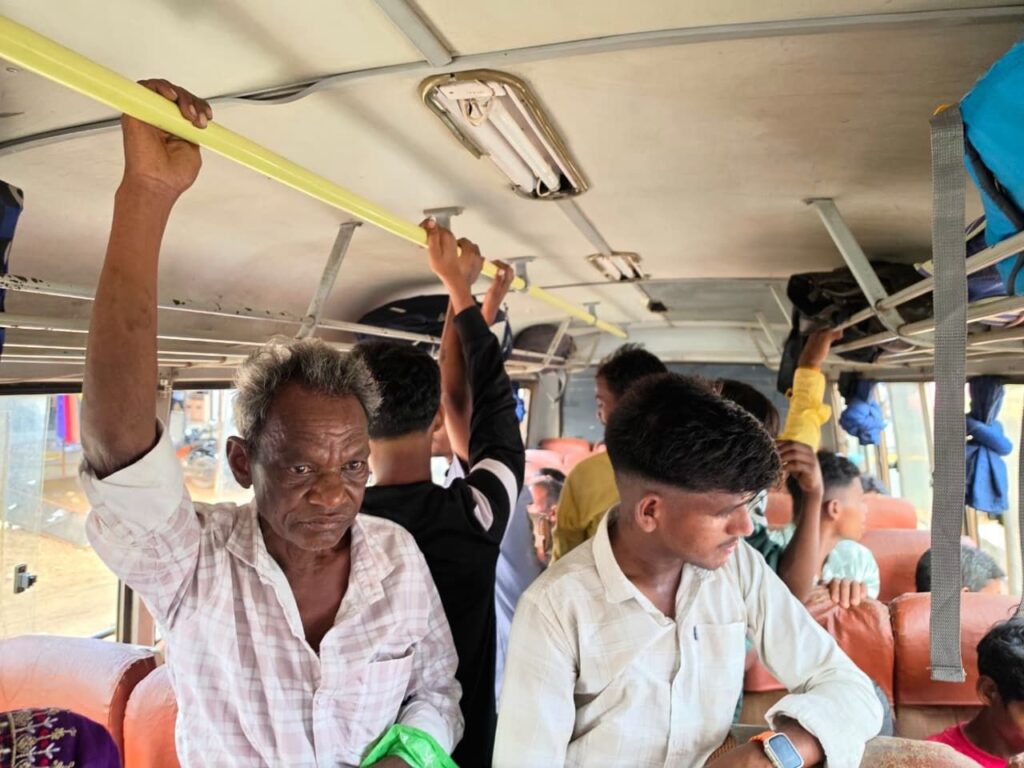
In Konta block, villages such as Lakhapal, Keralapenda, and Nagaram now have easier access to Dornapal. What once required long and tiring journeys on foot has become a routine bus ride.
Earlier, villagers had to walk 8 to 10 kilometres just to reach the main road. Shri Kudam Joga, a resident of Lakhapal, recalls that reaching Chintalnar on foot was once unavoidable. Missing a bus meant losing an entire day, with important work left unfinished. With regular bus services now running on the Dornapal-Nagaram route, such setbacks no longer disrupt daily life.
Under the scheme, buses pass near villages including Polampalli, Kankerlanaka, Chintagufa, Chintalnar, Lakhapal, Keralapenda, and Nagaram. Residents can now travel to Dornapal, complete their work, and return the same day. Women, elderly residents, students, and labourers have gained the most from this change.
The shift is not limited to transport alone. Where fear once restricted movement, improved security has encouraged people to step out for work, trade, education, and medical needs. The bus service has eased travel and also supported local economic activity.
Mohanranjan from Irkampalli notes that the scheme is helping connect remote regions with the mainstream. He credits the initiative with improving access and supporting livelihoods.
According to Sukma Collector Amit Kumar, ten buses are currently operating in previously Maoist-affected and remote areas under the scheme. In addition, five “Hakkum Mail” buses are also running regularly. The government is supporting operations through subsidies and has provided a three-year exemption on road tax.
Mukhyamantri Gramin Bus Yojana now stands as more than a transport service in Sukma. It reflects a broader change in confidence, mobility, and development. Areas that once faced isolation are steadily moving towards stability and self-reliance, with each journey linking people to new possibilities.