Kumar Bahukhandi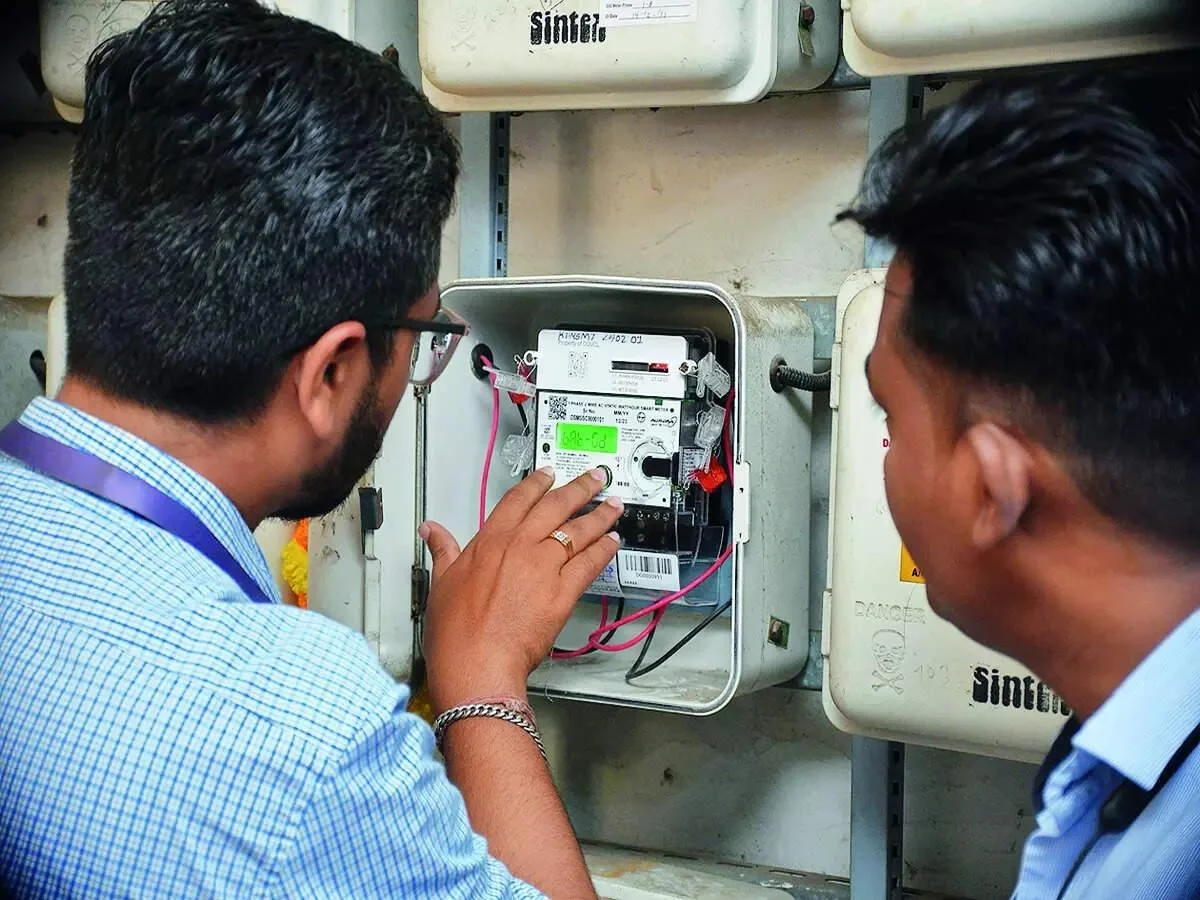
Representational image: Energy Department officials analysis of electricity consumption data in the Raipur City Region indicates a sharp decline in power usage during July 2026, with authorities attributing the trend to seasonal changes, energy conservation and consumer behaviour amid the ongoing debate over smart electricity meters. (Representational File Photo-Credit-channel24india.com)
Key Factors
- Electricity consumption in Raipur City Region declined from 131.27 MU in June to 89.38 MU in July.
- Overall power consumption registered a 31.91% decrease.
- Consumers using more than 600 units declined by 64.23%, while their electricity consumption fell by 38.13%.
- Consumers in the 401–600 unit category declined by 33.99%, with power usage falling 32.58%.
- Consumers using up to 400 units increased by 30.34%, indicating a shift towards lower consumption.
- Officials attribute the trend to cooler weather, reduced use of air conditioners and coolers, increased awareness about energy conservation and the State’s Half Electricity Bill Scheme.
- The official analysis says the available data do not support several misconceptions circulating regarding smart meters.
Raipur analysis shows July electricity usage fell by nearly 32%; seasonal changes, energy conservation and subsidy scheme cited as key factors
Consumers increasingly keep electricity usage below 400 units to avail benefits under the State’s Half Electricity Bill Scheme, says official analysis
Raipur: Amid the ongoing political debate surrounding the installation of smart electricity meters in Chhattisgarh, an official analysis of electricity consumption data for June and July 2026 has revealed a significant decline in power usage across the Raipur City Region, indicating that seasonal factors, energy conservation measures and changing consumer behaviour played a far greater role in reducing electricity demand than the concerns being raised over smart meters.
According to data released by the State Energy Department, total electricity consumption in the Raipur City Region fell from 131.27 million units (MU) in June to 89.38 MU in July, registering a 31.91 per cent decline within just one month.
Officials said the figures demonstrate a clear shift in consumption patterns as temperatures dropped following the peak summer season and households reduced the use of electricity-intensive appliances such as air conditioners and coolers.
“The available data indicate that the decline in electricity consumption is primarily linked to seasonal conditions, increased energy conservation practices and the impact of the State Government’s consumer welfare schemes,” Energy Department officials said.
High Consumption Categories Witness Sharp Decline
The official analysis found that electricity consumption declined across all high-usage consumer categories.
Consumers using more than 600 units recorded the most significant change. Their number declined by 64.23 per cent, while electricity consumption within this category fell by 38.13 per cent during July.
Similarly, the 401-600 unit category witnessed a 33.99 per cent reduction in the number of consumers, while electricity usage within the segment dropped by 32.58 per cent.
Officials believe these figures indicate that many consumers consciously monitored and regulated their monthly electricity usage.
“The trend suggests that consumers have become increasingly aware of their electricity consumption and are making conscious efforts to optimise usage without compromising essential household requirements,” officials observed.
More Consumers Shift Below 400 Unit
One of the most significant findings of the analysis is the growing number of consumers keeping their monthly electricity usage within 400 units, enabling them to benefit from the State Government’s Half Electricity Bill Scheme.
According to official figures, the number of consumers using up to 400 units increased from 1,96,777 in June to 2,56,471 in July, representing a 30.34 per cent increase.
At the same time, consumers whose monthly usage exceeded 400 units declined dramatically from 1,20,615 to 60,921, a reduction of nearly 50 per cent.
Officials said the data indicate that a large section of consumers consciously adjusted their electricity usage to remain eligible for the subsidy provided under the welfare scheme.
“The consumption pattern clearly indicates that a large number of households have attempted to keep their monthly electricity usage within the prescribed limit to maximise the benefits available under the Half Electricity Bill Scheme,” the analysis noted.
Energy Conservation and Weather Also Played a Role
The report also attributes the reduction in electricity demand to changing seasonal conditions.
With the onset of relatively cooler weather after the summer months, the use of cooling appliances such as air conditioners and desert coolers declined substantially.
The Energy Department said growing public awareness regarding energy conservation has also contributed to lower household electricity consumption.
Data show that the number of consumers in the 0-100 unit category increased by 53.12 per cent, while the 101-200 unit category registered a 51.79 per cent increase, reflecting a broader shift towards lower electricity usage.
Experts believe that improved energy-efficient practices adopted by consumers have begun producing measurable results.
Official Analysis Challenges Misconceptions
The Energy Department maintained that the available consumption data do not support several misconceptions circulating regarding smart electricity meters.
Officials said the analysis points towards reduced electricity demand caused by seasonal changes, responsible consumer behaviour and government incentive schemes rather than any abnormal increase in billing.
“The official figures clearly show that electricity demand declined during July. The available evidence indicates that the change in consumption patterns is primarily the result of seasonal factors, consumer awareness and the positive impact of welfare measures,” department officials stated.
While political debate over smart meters continues, officials said any assessment of electricity billing should be based on verified consumption data rather than assumptions.
They added that the State Government will continue analysing consumption trends to ensure transparency, improve energy efficiency and encourage responsible electricity use among consumers.