Kumar Bahukhandi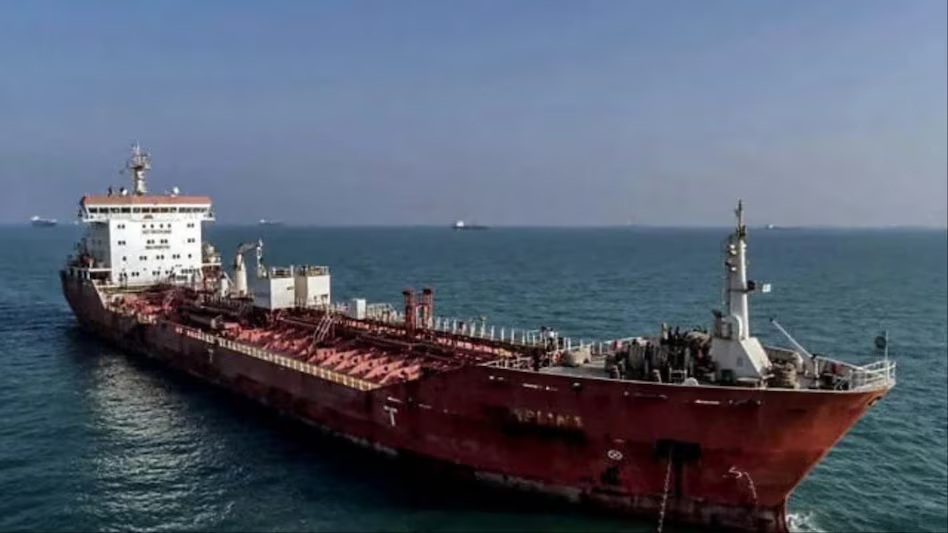
The world is facing an intensifying oil shortage (Photo: AFP)
The shortage of crude oil is becoming increasingly apparent, a situation that is set to impact the growth of Asian economies first and foremost. Ongoing crises in the Middle East are disrupting supply chains, leading to a depletion of global oil reserves. In particular, shortages of refined products—such as jet fuel, naphtha, and LPG—are adversely affecting the aviation and industrial sectors.
Concrete signs of a genuine crude oil shortage have now begun to emerge. Mike Wirth, CEO of the multinational energy corporation Chevron (USA), issued a warning this week stating that the primary impact of this situation would be felt on the growth of Asian economies.
According to the news agency Reuters, speaking at an event, Mike Wirth remarked, “We are now going to start seeing a real shortage. Demand will have to adjust to align with supply. Economies will have to slow down.”
Due to the crisis in the Middle East, energy-importing nations have begun actively seeking alternative supply sources. Japan, for instance, has received a shipment of crude oil from Russia’s Sakhalin Island—its first such delivery in two years. According to the data analytics firm Kpler, U.S. oil exports have surged to a new record high since the beginning of this month. Concurrently, global oil reserves are also depleting at a rapid pace.
Impact of Oil Shortage Most Severe on Asia
Wirth stated that the impact of the oil shortage would first be felt on the growth of Asian economies, followed by Europe. Asia is most heavily dependent on oil and gas from the Middle East, with Japan sourcing approximately 95% of its oil requirements from this region.
In late April, Goldman Sachs warned that global oil inventories had reached record lows amidst surging demand. At the time, the bank’s analysts stated that even if the conflict involving the U.S., Israel, and Iran were to conclude by the end of April, inventories would continue to deplete.
As of early May, there are no indications that the conflict is nearing an end; consequently, the downward trend is likely to persist. The United States is exporting record volumes of oil; yet, global oil inventories continue to decline.
Due to this conflict, producers in the Middle East have suffered a production loss exceeding 13 million barrels per day—and this figure pertains solely to crude oil. Fatih Birol, Head of the International Energy Agency (IEA), stated in April that combined exports of crude oil and refined products have seen a total decline of approximately 20 million barrels.
There is no global shortage of oil; rather, it simply is not reaching the places where it is needed.
Owing to the ongoing conflict in the region involving Iran, the Strait of Hormuz—one of the world’s most critical energy supply arteries—remains virtually shut down. As a result, Middle Eastern nations are unable to deliver oil to buyers in Asia. However, this does not imply.
The fundamental issue is the potential shortage of certain essential oil-derived fuels—fuels that are critical for powering aircraft and sustaining industrial supply chains. Analysts at Goldman Sachs issued precisely this warning in their recent report.
They state: “The rate at which supplies are dwindling and inventories are being depleted in specific sectors and for particular products is a cause for growing concern. Inventories of readily available refined products are diminishing at an alarming pace.”
The underlying reason is that, while overall crude oil inventories remain at a reasonably healthy level, shortages are emerging in specific refined products derived from that crude—particularly jet fuel (for aviation), naphtha (for the petrochemical industry), and LPG (for the production of plastics and chemicals).
According to Goldman Sachs, global inventories of refined products have now shrunk to a level equivalent to approximately 45 days of demand; prior to the recent disruptions, this figure stood at roughly 50 days.
This metric is distinct from total global oil reserves, which currently remain at a level equivalent to approximately 101 days of demand.
However, inventories of naphtha—a vital feedstock for the production of plastics and industrial chemicals—have plummeted sharply. In the UAE’s Fujairah storage hub, naphtha inventories have dropped by approximately 72%, while the Amsterdam-Rotterdam-Antwerp (ARA) hub in Europe has recorded a decline of roughly 37% since the end of February.