Kumar Bahukhandi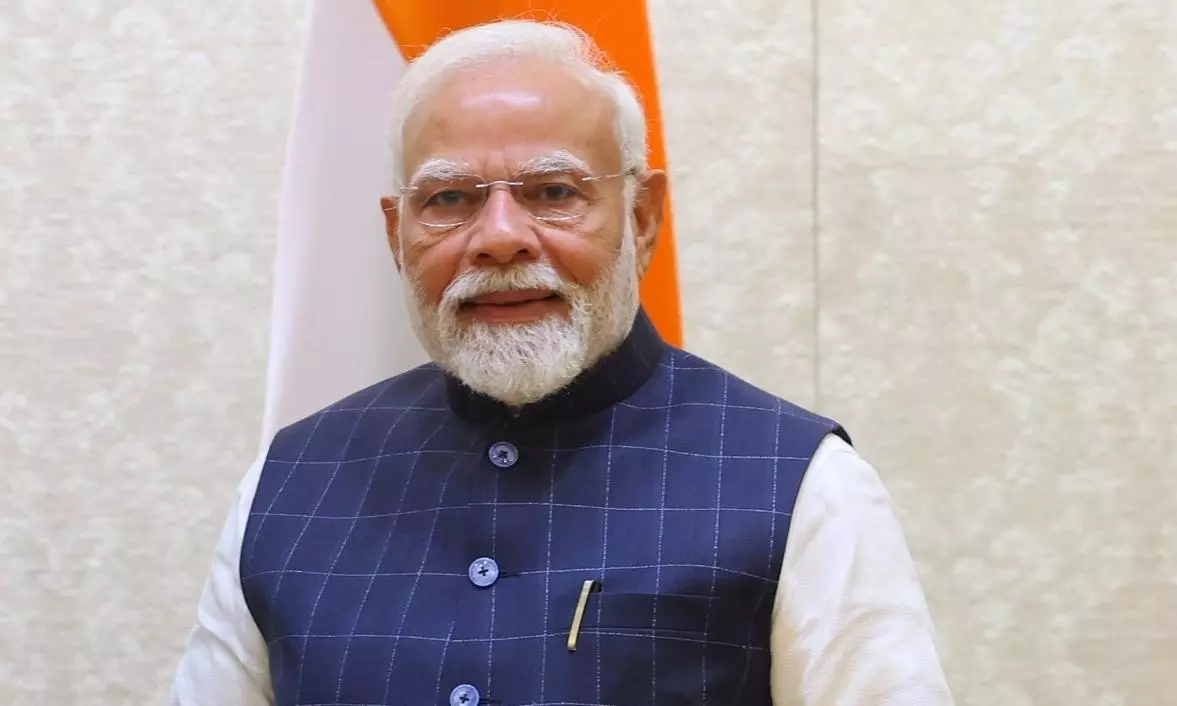
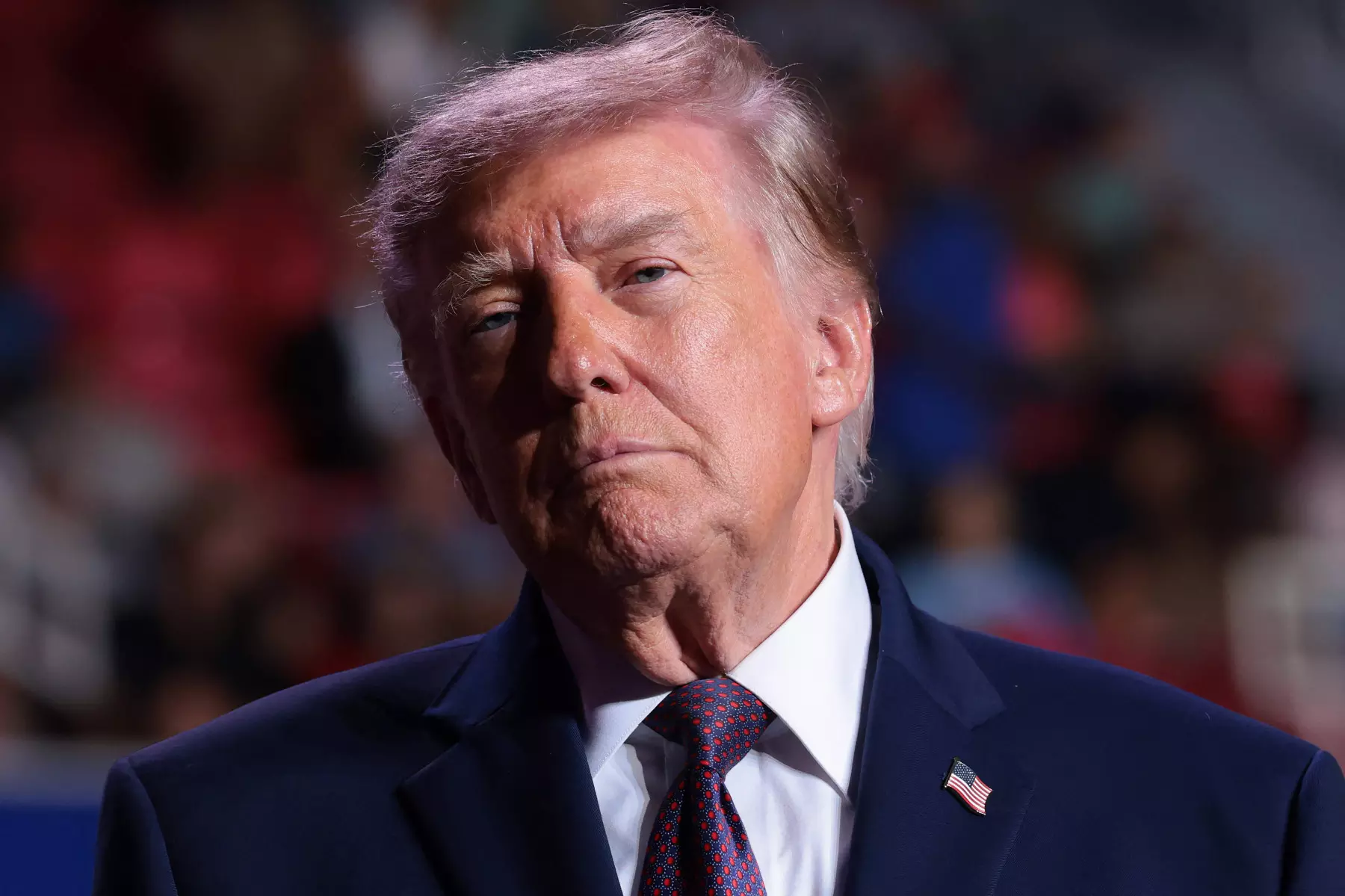
Prime Minister Narendra Modi completes 25 uninterrupted years as the head of a government on Wednesday, October 7, 2026. His tenure began when he took oath as Gujarat Chief Minister on October 7, 2001, before becoming Prime Minister in 2014. Photo: File
From taking oath as Gujarat Chief Minister in 2001 to serving a third consecutive term as Prime Minister, Narendra Modi completes 25 uninterrupted years at the head of a government
Key Highlights
- Narendra Modi completes 25 continuous years as head of government on October 7, 2026.
- His tenure began when he took oath as Gujarat Chief Minister on October 7, 2001.
- Modi served as Gujarat Chief Minister until 2014 before becoming Prime Minister.
- Vice President C.P. Radhakrishnan and senior political leaders extended greetings on the milestone.
- Union Cabinet adopted a resolution on October 6 marking his 25 years of continuous leadership.
- The milestone spans major changes in governance, welfare delivery, infrastructure, digitisation and India’s international engagement.
New Delhi: Prime Minister Narendra Modi on Wednesday, October 7, 2026 completed 25 uninterrupted years as the head of a government, marking a political journey that began with his first oath as Chief Minister of Gujarat on October 7, 2001, and has continued through three consecutive terms as Prime Minister of India.
Vice President C.P. Radhakrishnan was among the leaders who congratulated the Prime Minister on the milestone, describing Modi’s journey as “Pradhan Sevak” in the context of his emphasis on inclusive development and the governing formulation of “Sabka Saath, Sabka Vikas, Sabka Vishwas, Sabka Prayaas.”
Uttar Pradesh Chief Minister Yogi Adityanath and Union Minister Shivraj Singh Chouhan also extended greetings as political leaders and supporters marked the completion of a quarter-century of Modi heading elected governments.
The milestone is unusual in contemporary Indian politics not simply because of its duration, but because the 25 years have been continuous — first at the State level and subsequently at the Centre.
Journey began in Gujarat in 2001
Modi took oath as Chief Minister of Gujarat for the first time on October 7, 2001, at a time when the State was dealing with the aftermath of the devastating Kutch earthquake and had also faced drought, a super cyclone and political uncertainty in preceding years. He remained Chief Minister until 2014.
His years in Gujarat gradually brought him to national political prominence, with governance, infrastructure, electricity, investment and administrative delivery becoming central themes of his political positioning.
In 2014, Modi moved from State to national leadership after the BJP secured a majority in the Lok Sabha election. He took oath as Prime Minister on May 26 that year.
He returned to office following the 2019 general election and began a third consecutive term as Prime Minister after the 2024 Lok Sabha election. Thus, the period from October 7, 2001, to October 7, 2026, represents an uninterrupted 25 years in which Modi has served either as Chief Minister or Prime Minister.
Cabinet marks milestone
A day before the anniversary, the Union Cabinet adopted a resolution congratulating Modi on completing 25 years of continuous leadership as head of government.
The Cabinet resolution traced the connection between his Gujarat years and his tenure at the Centre, highlighting initiatives associated with governance reforms, welfare delivery, infrastructure, technology, financial inclusion, women’s empowerment and economic development.
It cited Gujarat initiatives such as SWAGAT and Jyotigram alongside national programmes and reforms introduced after 2014. The resolution also referred to Jan Dhan, PM-KISAN, technological expansion, infrastructure investment and India’s growing international engagement. These assessments represent the Union Cabinet’s account of Modi’s record in office.
From State governance to national programmes
The transition from Gujarat to New Delhi substantially expanded the scale of Modi’s governance agenda.
Since 2014, his governments have introduced or expanded programmes covering financial inclusion, sanitation, housing, drinking water, digital public infrastructure, direct benefit transfers, health insurance, rural electrification, manufacturing and infrastructure.
Programmes such as Swachh Bharat Mission, Jan Dhan Yojana, Ayushman Bharat, PM-KISAN, Jal Jeevan Mission, Digital India and Make in India have become prominent components of the government’s policy framework.
His years as Prime Minister have also included major and sometimes politically contentious decisions and reforms, including demonetisation in 2016, implementation of the Goods and Services Tax in 2017, changes to Jammu and Kashmir’s constitutional status in 2019 and a range of economic and administrative reforms.
Supporters credit the Modi governments with expanding infrastructure and digital delivery of public services, while political opponents have challenged the government on issues ranging from economic policy and employment to federal relations and the functioning of democratic institutions. The 25-year milestone therefore also encompasses some of the country’s most intensely debated political and policy developments.
Technology and direct delivery emerge as recurring themes
One of the significant changes during Modi’s tenure at the Centre has been the increasing use of digital systems in government services and welfare delivery.
The combination of bank accounts, digital identity and mobile connectivity has been used to transfer benefits directly to beneficiaries, while digital payments and online public services have expanded considerably.
The Cabinet’s anniversary resolution specifically highlighted technology-led governance and welfare delivery among the themes connecting Modi’s years in Gujarat with his tenure as Prime Minister.
India’s international profile
Foreign policy and India’s international positioning have also occupied a prominent place during Modi’s years as Prime Minister.
India hosted the G20 Leaders’ Summit in New Delhi in 2023, while the African Union became a permanent member of the G20 during India’s presidency. The government has also placed greater emphasis on engagement with the Indian diaspora, strategic partnerships, technology cooperation and India’s role within groupings including BRICS and the Quad.
The Cabinet resolution marking Modi’s 25 years also cited India’s international engagement, the G20 consensus and inclusion of the African Union among developments associated with his tenure. s
A milestone Modi reflected upon a year earlier
When he entered his 25th year as head of government on October 7, 2025, Modi recalled his first day as Gujarat Chief Minister and thanked citizens for what he described as their continued trust and affection.
He said his endeavour throughout those years had been to improve people’s lives and contribute to India’s progress.
Reflecting on the responsibility of public office, Modi said serving the country was the highest honour and reiterated that the Constitution would remain his guide as he worked towards the goal of a Viksit Bharat.
Twenty-five years after that first oath in Gujarat, Modi remains at the head of the Union government. Whatever the political assessment of his record, the uninterrupted span from a State Chief Minister’s office to the Prime Minister’s Office makes October 7, 2026, a notable date in his political career and in India’s contemporary political history.