Kumar Bahukhandi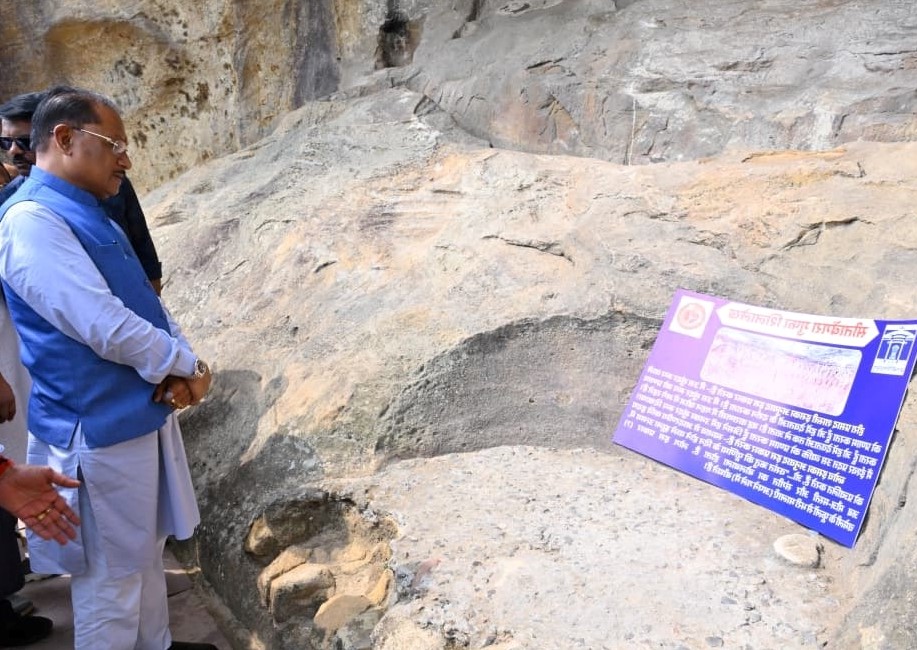
Chief Minister Vishnu Deo Sai visits the ancient Sitabengra Cave during the closing ceremony of Ramgarh Mahotsav 2026, exploring one of India’s oldest theatrical heritage sites along with the Jogimara caves and Hathipol natural tunnel in Surguja district.
Ramgarh: A Timeless Confluence of Culture, History, Literature and Tourism, Says Chief Minister Vishnu Deo Sai
Raipur: Chief Minister Vishnu Deo Sai on Tuesday June 30, 2026 described Ramgarh in Surguja district as a remarkable confluence of culture, history, literature and tourism while attending the closing ceremony of the two-day Ramgarh Mahotsav 2026. The historic site forms an important part of Chhattisgarh’s Ram Van Gaman Tourism Circuit.
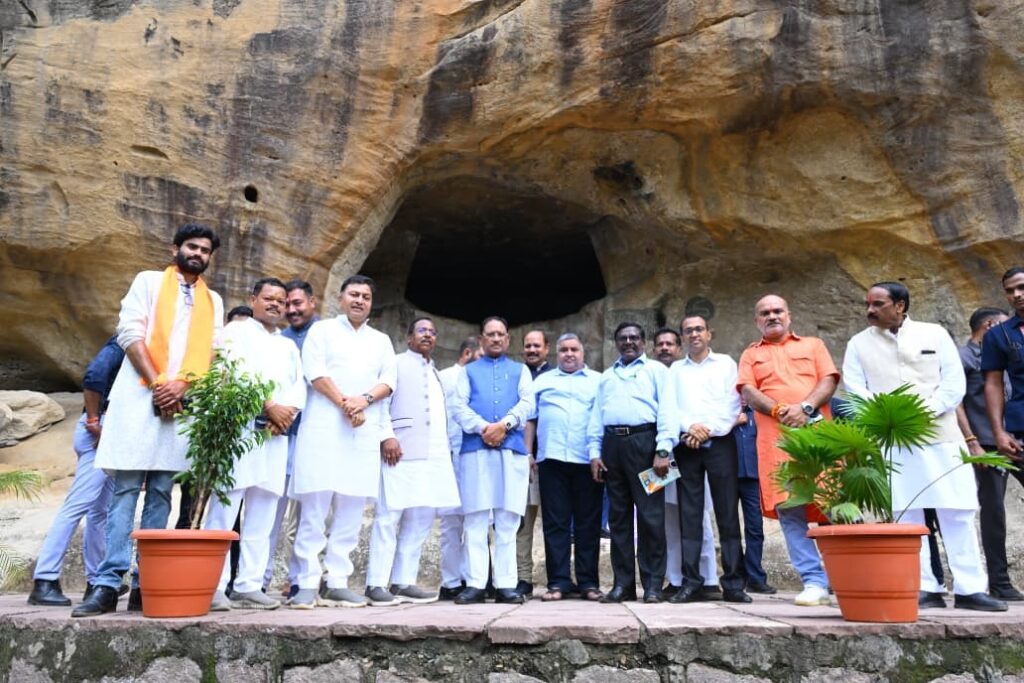
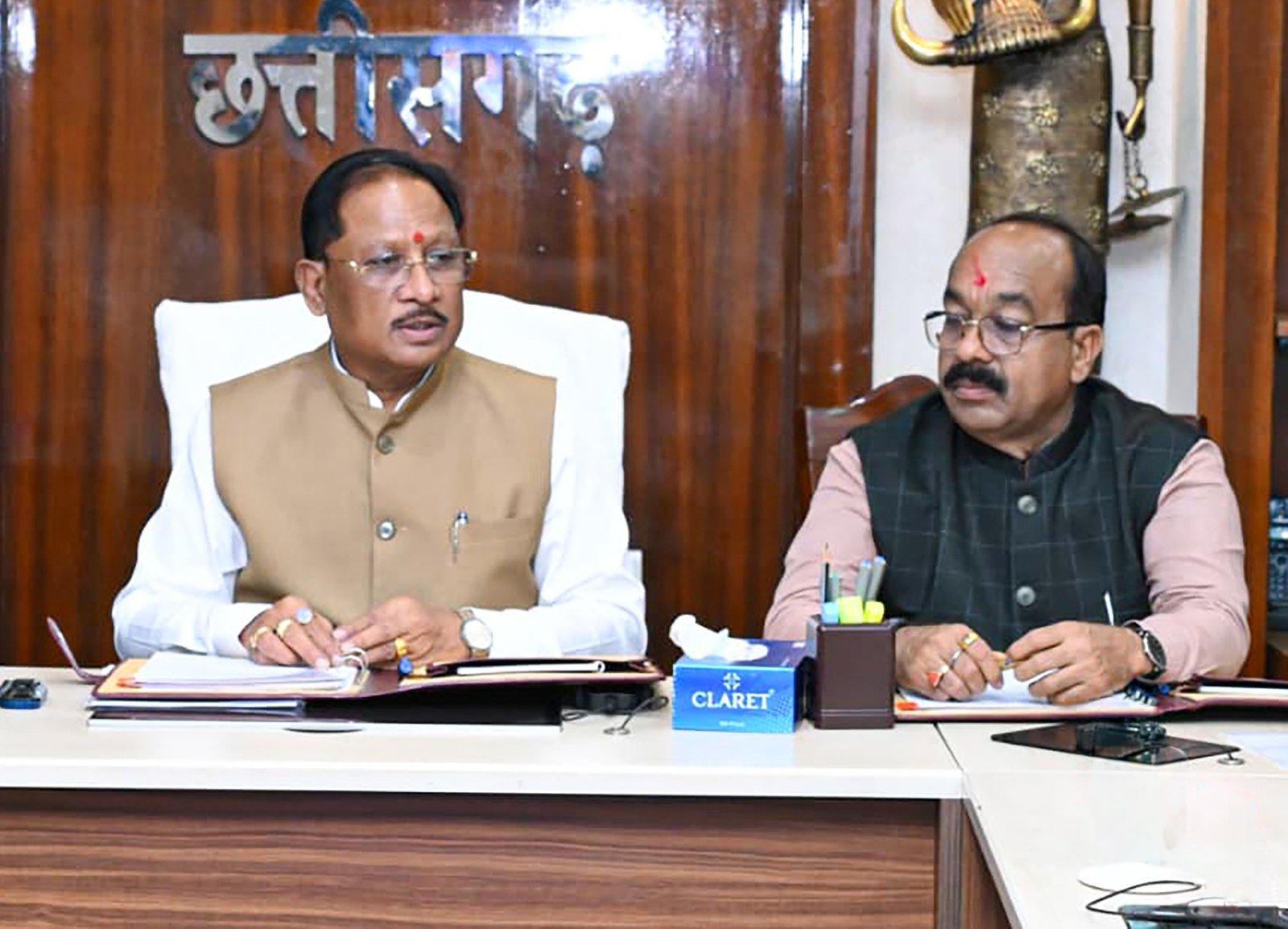
Ramgarh Showcases Chhattisgarh’s Rich Civilisational Heritage: Chief Minister Vishnu Deo Sai visits the historic Sitabengra Cave during Ramgarh Mahotsav 2026 in Surguja district, accompanied by Agriculture Minister Ramvichar Netam, Tourism and Culture Minister Rajesh Agrawal, and other dignitaries on June 30, 2026 . The visit highlighted the state’s commitment to preserving and promoting Chhattisgarh’s ancient cultural and archaeological treasures.
During his visit to Ramgarh in Udaipur development block, the Chief Minister explored the ancient Sitabengra Cave, widely regarded as one of the world’s earliest natural theatres. He also inspected the Jogimara Cave, known for its ancient inscriptions and early mural paintings, and visited the iconic Hathipol natural rock tunnel. Agriculture Minister Ramvichar Netam, Tourism and Culture Minister Rajesh Agrawal, public representatives and local residents were also present.
Addressing the gathering, Sai said Ramgarh stands as a living symbol of Surguja’s centuries-old cultural consciousness, artistic excellence and historical legacy. He noted that the site reflects the richness of Chhattisgarh’s archaeological and cultural heritage, which has earned recognition far beyond the state’s borders.
The Chief Minister said preserving such priceless monuments is a collective responsibility. He reiterated the state government’s commitment to conserving, promoting and developing heritage sites like Ramgarh as major tourist destinations. According to him, heritage tourism will not only introduce visitors to Chhattisgarh’s rich cultural traditions but also create new livelihood and employment opportunities for local communities.
Situated on the western slopes of the Ramgarh hills, the Sitabengra and Jogimara caves are considered among India’s most significant archaeological treasures. They are renowned for their architectural features, ancient inscriptions and early examples of mural art. Tradition also associates the region with the celebrated Sanskrit poet Kalidasa, who is believed to have composed his classic work Meghadutam amidst these hills. To commemorate this literary and cultural legacy, the Ramgarh Mahotsav is organised every year on the first day of the month of Ashadha.
The approximately 44-foot-long Sitabengra Cave is distinguished by its naturally formed stage-like structure, while the Jogimara Cave contains mural paintings and inscriptions dating back to the 3rd-2nd century BCE, making the site an invaluable record of India’s early artistic traditions.
Another major attraction of Ramgarh is Hathipol, a naturally formed tunnel stretching nearly 180 feet in length and rising between 15 and 20 feet in height. Believed to have been shaped over centuries by the continuous flow of water, the tunnel draws visitors with its unique geological formation. Located beyond the tunnel are the Sitabengra and Jogimara caves, adding further historical and archaeological significance to the landscape.
Ramgarh is also linked to traditions associated with the Ramayana, enhancing its importance as a destination of religious, cultural, historical and tourism value. The state government sees the site as a key component of its efforts to preserve Chhattisgarh’s heritage while promoting sustainable tourism.