Kumar Bahukhandi
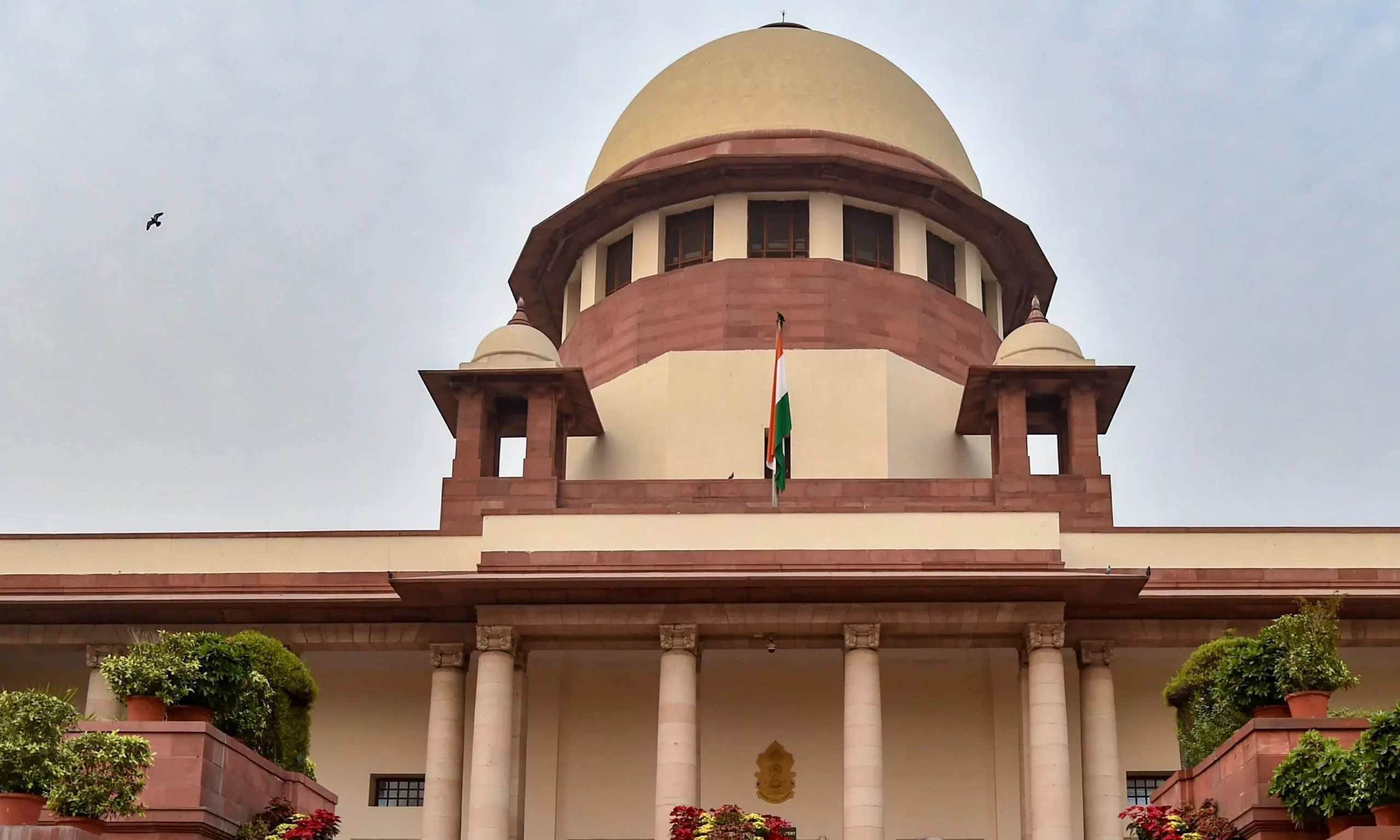
Supreme Court ( file image)
Petitioner alleges violation of apex court’s October 9 directions against a complete shutdown of Metro and railway movement; Union Home Secretary Govind Mohan among respondents
Key Highlights
- Contempt petition filed in the Supreme Court on Saturday, October 10, over alleged restrictions on Delhi Metro services during the CJP protest.
- Petitioner Shailendra Mani Tripathi alleges that authorities failed to comply with the Supreme Court’s October 9 directions.
- The earlier judicial direction reportedly sought to prevent a complete prohibition on Delhi Metro and Indian Railways train movement.
- Union Home Secretary Govind Mohan and other authorities have been named as respondents.
- Petition raises questions about compliance with judicial orders and the impact of transport restrictions on ordinary commuters.
- The filing does not establish contempt; the allegations remain subject to judicial examination.
Contempt Petition Questions Transport Restrictions During Protest
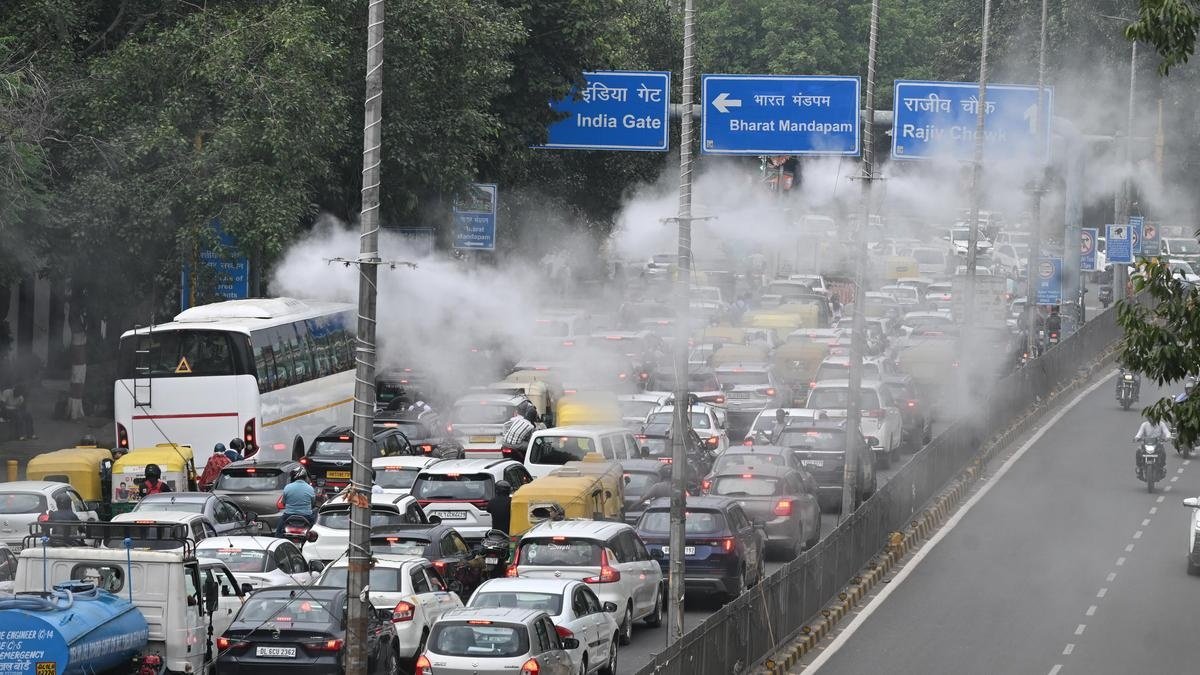
New Delhi: A contempt petition was filed before the Supreme Court on Saturday, October 10, 2026, alleging that authorities violated the apex court’s directions by continuing restrictions on Delhi Metro services during protests organised by the CJP in the national capital. The petition, moved by Shailendra Mani Tripathi, seeks contempt proceedings against officials allegedly responsible for failing to comply with the court’s October 9 direction concerning the movement of Metro trains and services operated by Indian Railways.
The petition comes amid controversy over restrictions imposed in connection with the CJP demonstration, which prompted extensive security arrangements in Delhi.
According to the information accompanying the petition, the Supreme Court had issued directions on October 9 to ensure that the movement of Metro and Indian Railways trains was not subjected to a complete prohibition on October 10 because of the protest.
Tripathi has alleged that the authorities continued closing Metro stations despite those directions.
October 9 Supreme Court Direction at Centre of Dispute
The central issue raised in the petition concerns compliance with the Supreme Court’s earlier order.
The petitioner has argued that the continued closure of Metro stations was inconsistent with the judicial direction intended to prevent a complete prohibition on train movement.
However, an important distinction remains between the closure of individual Metro stations and a complete suspension of Metro train services.
Whether the restrictions actually violated the October 9 order will depend on the precise wording of that order, the extent of the closures and the circumstances under which they were implemented.
The contempt petition seeks judicial scrutiny of these questions.
Union Home Secretary Named Among Respondents
The petition has named Union Home Secretary Govind Mohan and other authorities as respondents.
By seeking contempt proceedings, the petitioner has asked the Supreme Court to examine whether officials responsible for implementing security arrangements acted contrary to its earlier directions.
Contempt proceedings involve serious legal considerations, including whether a court’s order was clear, binding and deliberately disobeyed.
The mere filing of a petition does not establish wrongdoing by the named respondents.
Metro Restrictions Raise Concerns for Ordinary Commuters
Restrictions on Metro stations and railway movement during major demonstrations can affect thousands of passengers who have no direct involvement in the protests.
Daily commuters, students, workers, patients and other travellers depend on public transport services for essential journeys.
Security agencies may impose restrictions when necessary to address credible threats to public safety or maintain order.
Nevertheless, such measures must operate within the law and remain consistent with applicable judicial directions.
The controversy surrounding the CJP protest highlights the challenge of maintaining security while minimising disruption to public transport and everyday civic life.
Judicial Compliance and Administrative Accountability
The petition also raises the broader question of how authorities implement judicial directions during situations involving large public gatherings.
Orders issued by constitutional courts are binding on the authorities concerned, and allegations of deliberate non-compliance can be examined through contempt jurisdiction.
At the same time, a finding of contempt requires judicial assessment of the relevant facts and legal requirements.
The Supreme Court will have to determine whether the alleged Metro station closures amounted to a breach of its October 9 direction and whether the circumstances justify initiating contempt proceedings.
Further Judicial Developments Awaited
The petition adds a legal dimension to the controversy surrounding the October 10 CJP demonstration in Delhi.
The available report establishes that a contempt plea has been filed and identifies its principal allegation and respondents. It does not establish whether the Supreme Court has admitted the petition, issued notices or scheduled a hearing.
The central question now is whether the transport restrictions imposed during the protest were compatible with the Supreme Court’s earlier directions and whether any alleged non-compliance warrants action under the law of contempt.