Kumar Bahukhandi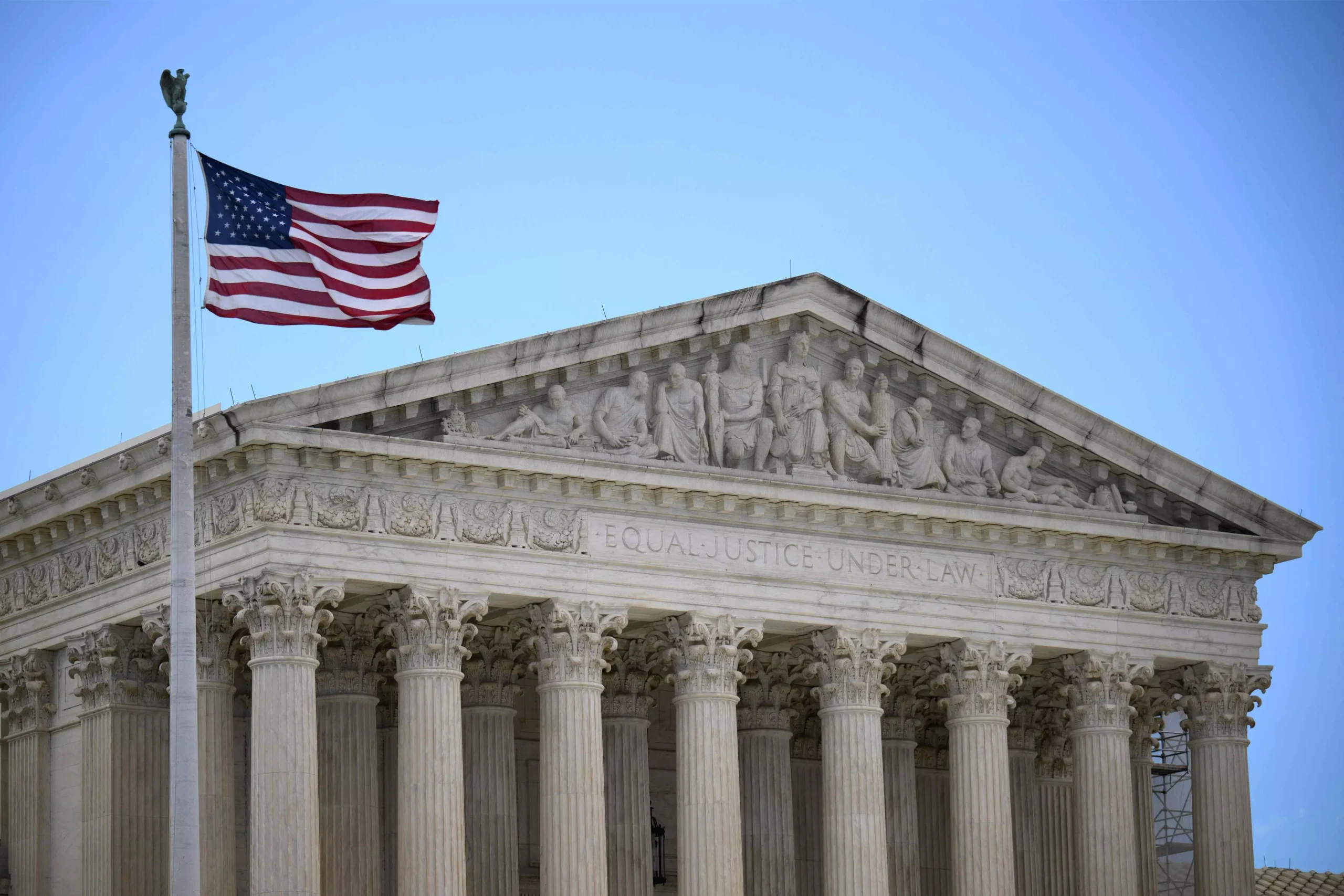
The US Supreme Court building in Washington. The court on Tuesday, September 29, 2026, temporarily lifted restrictions governing the Trump administration’s deportation of migrants to third countries while agreeing to hear the underlying legal dispute in December. Photo: AFP
Justices temporarily lift lower-court restrictions requiring advance notice and an opportunity to raise fears of persecution or torture
Key Highlights
- US Supreme Court allows Trump administration to resume third-country deportations under its current procedures
- Lower-court restrictions requiring additional notice and opportunity to raise safety concerns are put on hold
- Court agrees to consider the underlying legal dispute in December
- Three liberal justices opposed granting the administration’s emergency request
- Administration argues third-country removals are needed when migrants’ home countries will not accept them
- Opponents say meaningful due process is necessary where deportees fear persecution or torture
Washington: The US Supreme Court on Tuesday allowed the Trump administration to resume deportations of migrants to countries other than their own without complying, for now, with additional procedural protections imposed by a lower court. The justices will hear the underlying dispute in December.
The decision came after the administration sought emergency intervention against a lower-court ruling governing so-called third-country removals — cases in which a person is deported to a nation other than his or her country of origin.
The lower court had required that people facing such removal receive effective advance notice of their intended destination and an opportunity to raise concerns that they could face persecution or torture there. The Supreme Court’s action puts those additional requirements on hold while the broader legal dispute continues.
The three liberal members of the nine-justice court indicated that they would not have granted the administration’s request. The order is therefore an interim development rather than a final determination of the underlying legal questions.
Administration Calls Removals an Essential Tool
The Trump administration has defended third-country removals as an important part of immigration enforcement, particularly where a migrant’s country of origin refuses to accept the person.
Solicitor General D. John Sauer argued in the administration’s filing that existing procedures already provide notice and a reasonable opportunity to raise a fear claim. The government also contended that the lower court’s additional requirements had created practical difficulties for removals.
Opponents take a different view, arguing that the government must provide a meaningful opportunity for migrants to raise fears of persecution or torture before sending them to countries with which they may have no connection. The dispute therefore centres not simply on whether third-country deportations can occur, but on what procedural safeguards must precede them.
The issue has acquired greater significance as the Trump administration expands its immigration enforcement programme. Reuters reports that more than 25,000 people have already been removed under the third-country policy, with Mexico receiving the largest number and others being sent to countries elsewhere.
Human-rights concerns have accompanied the programme. Independent UN experts this week called for the policy to be halted, warning of risks including persecution and torture. The administration maintains that third-country removals are lawful and necessary in cases where direct repatriation is not practicable.
With the Supreme Court now set to examine the case on its merits in December, the next stage will address the legal boundaries of the administration’s authority and the protections required before migrants can be removed to countries other than their own.