Kumar Bahukhandi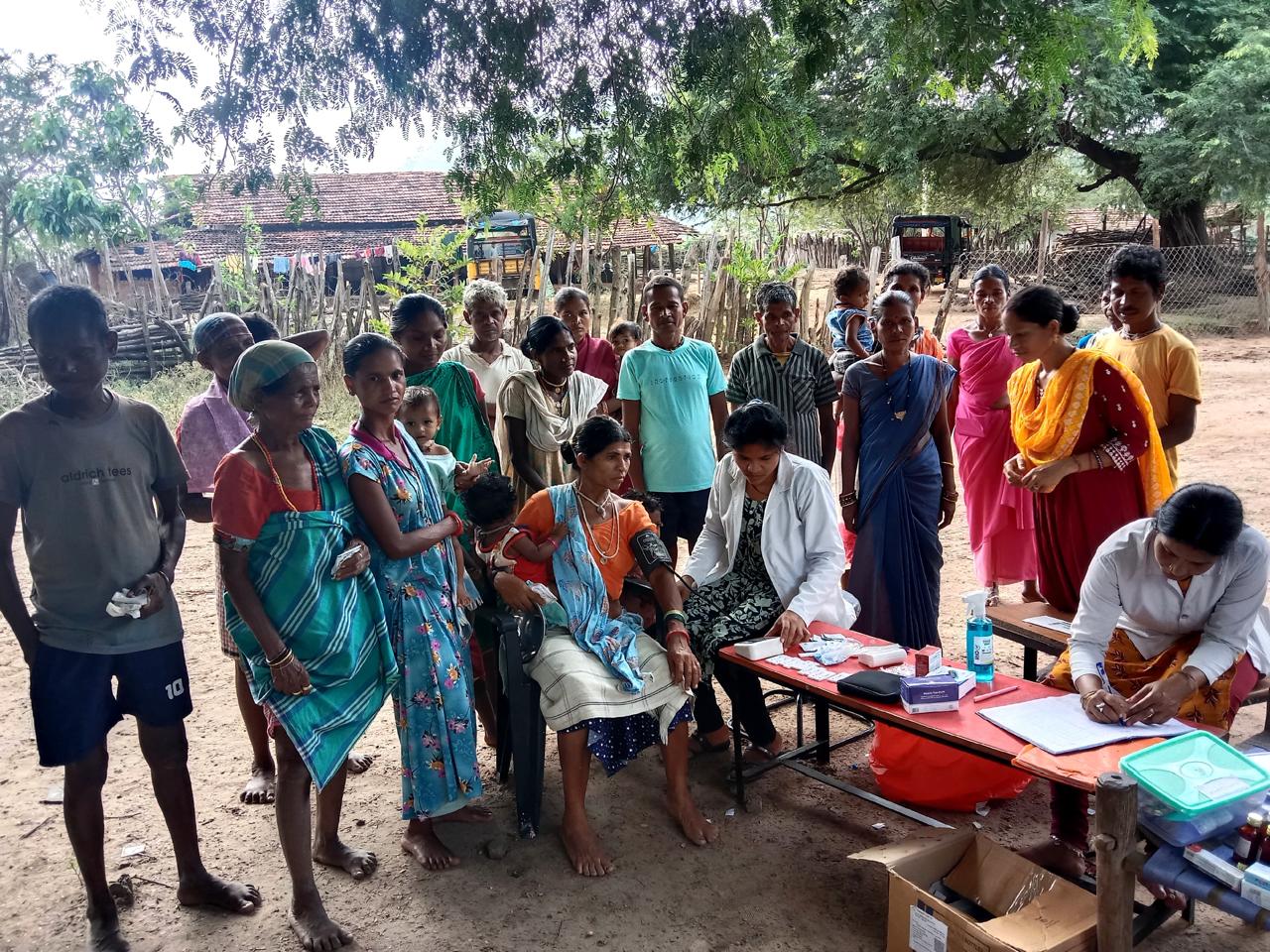
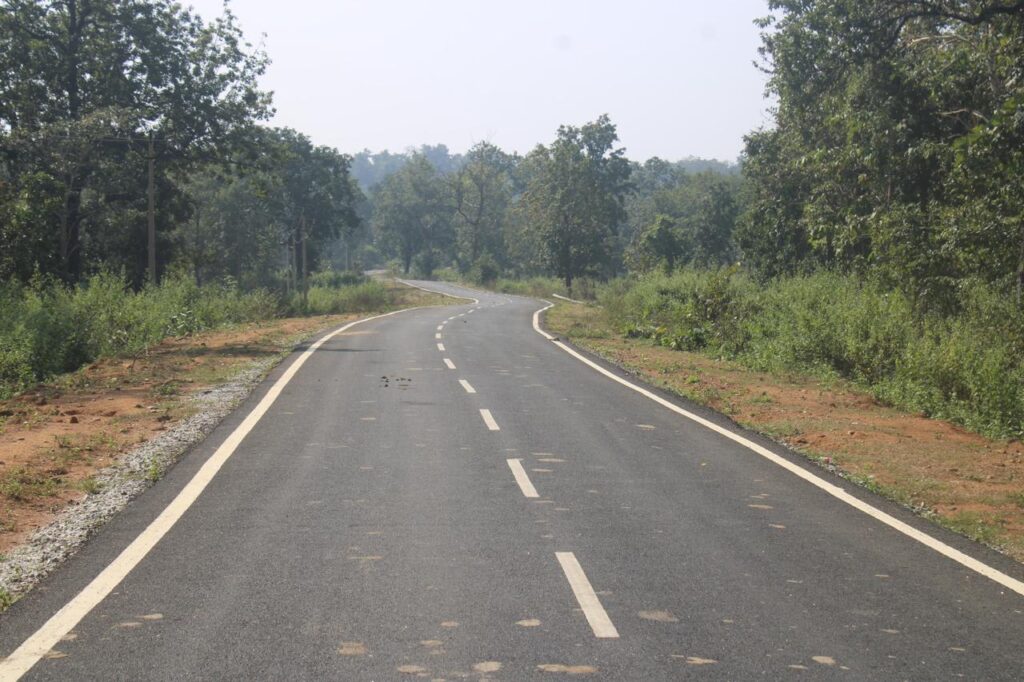
Bastar region gets all the basic facilities like Health services , Electricity , Fair Price Shops (FPS), under the Public Distribution System (PDS), and Roads under an initiative of Chhattisgarh Government’s Scheme ‘Niyad Nella Nar’ ! Photos Credit -CG/PR
In Short
*Governance reaches through the doors of trust of scheme ‘Niyad Nella Nar’
*Niyad Nella Nar’ becomes a living evidence of good governance: Where there were once guns, now there are books – A new dawn moving from fear to trust in Bastar!
Raipur: Those remote villages of Bastar region of Chhattisgarh, which remained cut off from the mainstream of development for years, are today moving towards new hopes and light. Where there was once a lack of basic facilities like electricity, roads, schools, health services and communication, now the same villages are rapidly moving on the path of progress.
The foundation of this change was laid on 15 February 2024 in the form of ‘Niyad Nella Nar – Your Ideal Village Scheme’ as a result of the visionary leadership of Chief Minister Vishnu Deo Sai and his commitment to public concerns. This scheme is a revolutionary effort to ensure sensitive and active reach of governance to those areas, where till now there was only silence of neglect and waiting.
Chief Minister Sai has been of the firm belief that merely setting up security camps is not enough, unless the sensitive presence of the government and the ray of holistic development reaches there. With this thought, 54 new security camps were set up in five Naxal-affected districts of Bastar—Sukma, Bijapur, Narayanpur, Dantewada and Kanker. 327 villages falling within the 10 km radius of these camps were identified and it was decided that a new development model would be presented by linking all of them with 100% schemes.
With this initiative, the waves of change has started blowing in the villages. In the area of education, the government approved 31 new primary schools, out of which classes have started in 13 schools. Approval was given for the establishment of 185 Anganwadi centers, out of which 107 have already started, due to which children have started getting the facility of nutrition and primary education. In the field of health services, 20 sub-health centers were approved, out of which 16 health centers have started. These are the same villages where earlier people had to cross miles of forest even for a common medicine.
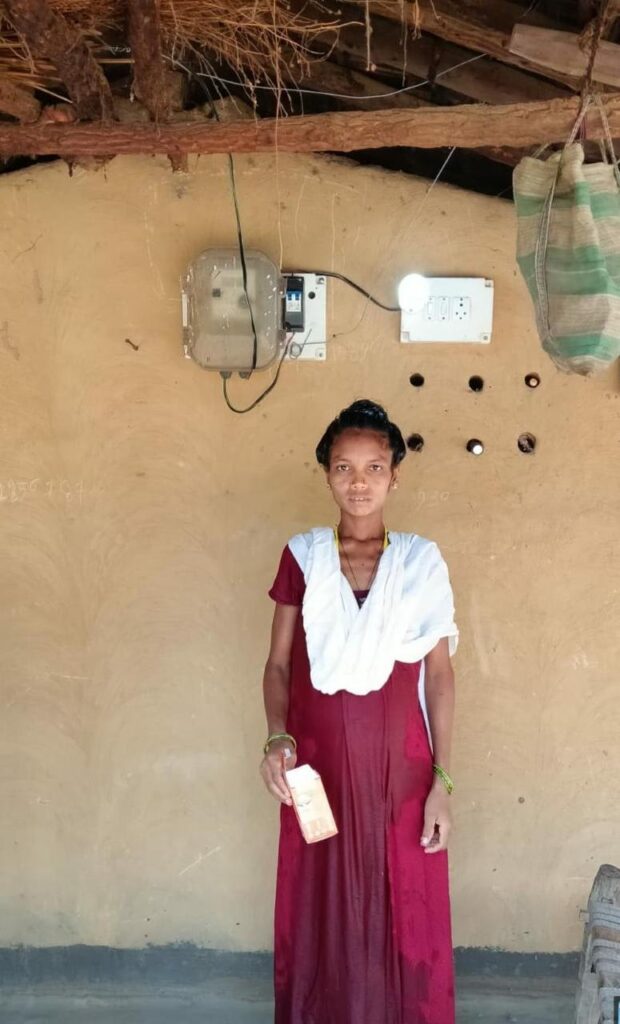
Under the leadership of Chief Minister Sai, special priority has been given to means of communication and connectivity. Earlier where there was no trace of mobile signal, now 119 mobile towers have been planned and 43 towers have become functional. 144 high mast lights were approved, out of which 92 villages are now illuminated in the dark of night. 173 schemes were made for road and bridge construction, out of which 116 have been approved and 26 works have been completed.
This development is not limited to infrastructure only, but it has become a powerful medium of emotional bonding and identity. There has also been remarkable progress in the field of economic and social empowerment. So far, Aadhar cards of 70,954 people have been made, age certificates have been issued to 46,172 elderly people and voter registration of 11,133 citizens has been done, which has enabled them to become a part of the democratic process. Free treatment facility has been provided to 46,172 people by issuing Ayushman cards.
A target of 12,232 houses has been set under the Pradhan Mantri Awas Yojana, out of which 5,984 families have been approved. Under the Kisan Samman Nidhi Yojana, assistance amount has been provided to as many as 4,677 farmers.
Under the Swachh Bharat Mission, individual toilets have been built in 6,460 houses. With the aim of making the kitchen free from smoke, gas connections have been provided to 18,983 women under the Ujjwala and Gau-Gas Yojana. DTH connections have also been given in 30 villages, due to which these villages are now connected to the main flow of information and entertainment.
This change is not just a compilation of schemes, but a new relationship of trust between the government and the people, the foundation of which is based on participation and transparency. People who were cut off from the government for years are now participating in monitoring development themselves.
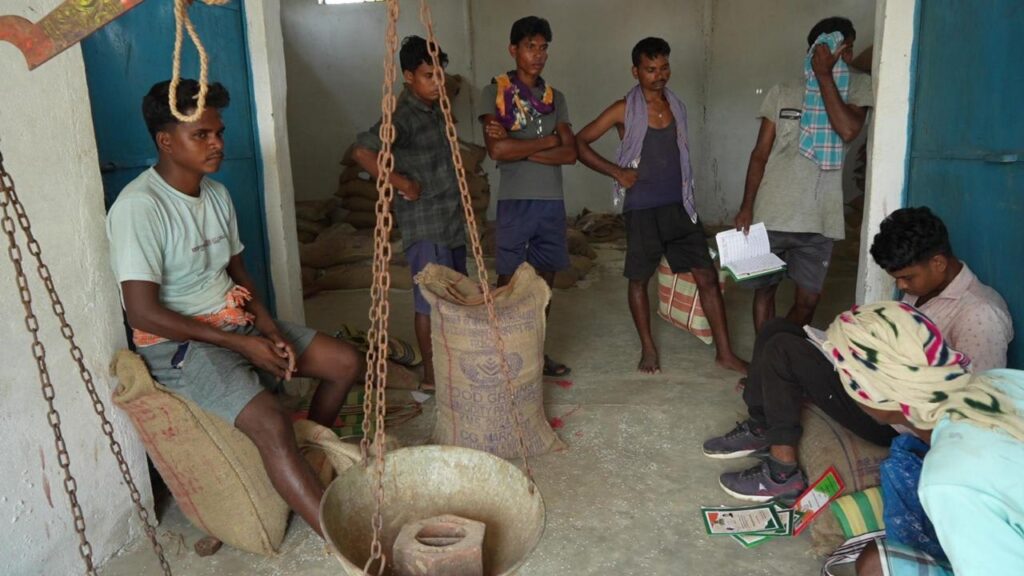
Now the villagers themselves are monitoring the attendance register of Anganwadi, the quality of ration shops and the implementation of government schemes. This is the same Bastar, which has moved from fear to trust and from neglect to participation.
This foresight of Chief Minister Vishnu Deo Sai has once again proved that good governance does not come from mere announcements, but from ground implementation. ‘Niyad Nella Nar ‘ is not just a scheme, but it is a journey of renaissance of Bastar – a journey in which books have now replaced guns, light has replaced darkness and the spirit of participatory democracy has now replaced dissent.