Kumar Bahukhandi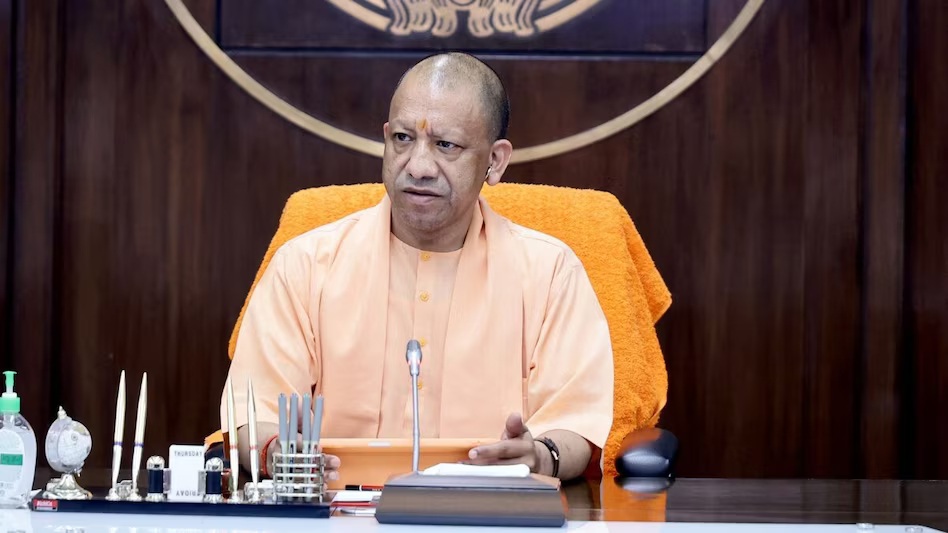
Chief Minister Yogi Adityanath
On the auspicious occasion of Ram Navami, the Yogi government of Uttar Pradesh has taken a significant decision, keeping in mind the convenience of devotees and showing respect for their faith. The state will now observe a public holiday on March 27th, in addition to March 26th. This step has been taken in view of the massive crowds expected to throng the temples
Lucknow : Respecting public sentiments, Chief Minister Yogi Adityanath has declared an additional holiday in Uttar Pradesh on March 27, 2026. The main festival of Ram Navami falls on March 26th—a day on which a holiday had already been scheduled.
However, with the aim of accommodating the increasing number of devotees visiting major temples across the state—including those in Ayodhya—and to bolster security arrangements, the government has decided to declare holidays on two consecutive days. This decision will facilitate millions of Ram devotees in offering prayers and having darshan (sacred viewing), while also assisting the administration in effective crowd management.
Prioritizing Faith and Convenience
The primary basis for this government decision is the anticipated unprecedented rush at the temples. On Ram Navami, a vast number of people travel from far-flung areas to offer prayers, thereby placing increased pressure on traffic and security management systems. This initiative by CM Yogi will not only provide relief to devotees but will also ensure that government employees have ample time to participate in religious rituals.
Strict Security Arrangements
Alongside the announcement of the additional holiday, the Chief Minister has issued directives to the administration to maintain a state of high alert and complete vigilance. Specifically, instructions have been given to implement robust security measures at major religious hubs—such as Ayodhya, Mathura, and Varanasi—to prevent any untoward incidents. On this grand festival of faith, this decision by the government brings significant relief to the residents of the state.