Kumar Bahukhandi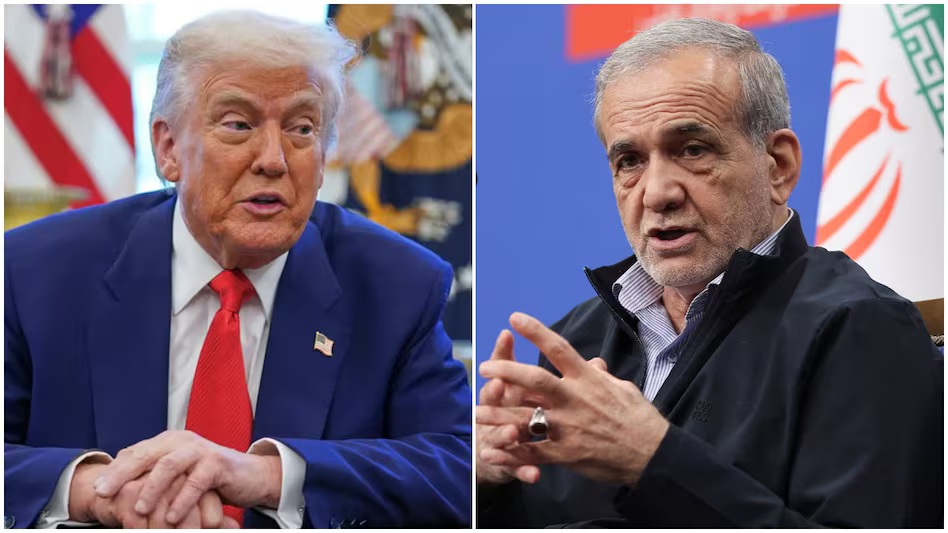
Iranian President Masoud Pezeshkian has penned a letter addressing the Iranian people. (Photo: AP)
The tone of President Masoud Pezeshkian’s letter is conciliatory and appeals for dialogue. But will Trump look beyond his tough-guy persona to transform this opportunity into a diplomatic success? Or will his political ‘ego’ erect a new wall in the path of this potential reconciliation?
A simmering conflict involving three nations, a single speech, and a solitary letter—these are the threads upon which the hopes for peace of billions of people worldwide currently hang in the balance. Much has changed over the past 24 hours in the ongoing conflict involving the United States, Israel, and Iran.
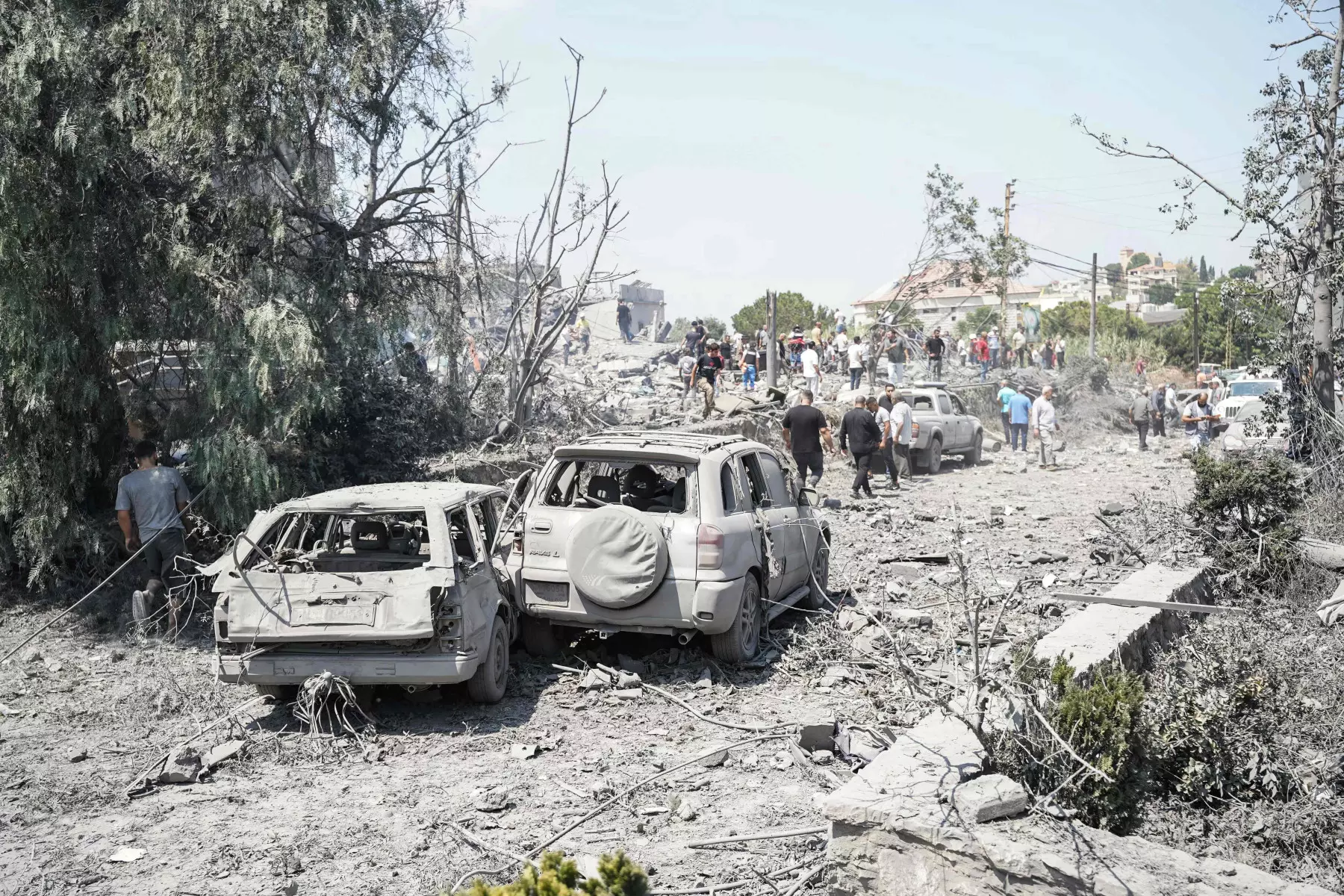
In an address to the nation, US President Donald Trump put an emphatic end to speculation that the war was drawing to a close. Trump stated unequivocally that the US campaign would continue, adding that he would reveal—in two to three weeks’ time—what major steps he intends to take regarding Iran. Immediately following Trump’s address, Iran launched a fresh barrage of drones toward Israel. Meanwhile, Israel unleashed a series of heavy strikes against targets in both Iran and Lebanon.
Amidst all these warlike maneuvers, an open letter has surfaced, penned by Iranian President Pezeshkian and addressed to the citizens of the United States. On the surface, this letter contains rhetoric of conflict and defiance; yet, upon deeper examination, it also reveals a formula for peace in the days to come. The only potential stumbling block is the risk of clashing with Trump’s ego. However, the letter also offers a subtle remedy to soothe that very ego. If acted upon, this approach could even provide a solution to his greatest concern regarding Iran—namely, preventing the advancement of its nuclear program.
In his letter, Pezeshkian explicitly states: “Iran harbors no animosity toward the American people.” He further notes that this address is directed at those Americans who, amidst a deluge of misleading statements and fabricated narratives, continue to seek the truth and aspire to a better life.
Previously, slogans such as “Death to America” and “Death to Israel” have been commonplace in Iran. However, the tone of this letter from the Iranian President is soft, conciliatory, and geared toward reconciliation.
Pezeshkian writes, “The Iranian people harbor no hostility toward other nations—including the people of the United States, Europe, or neighboring countries.”
He further notes that Iran is a nation that has never initiated a war against any other country—at least not since the founding of the United States.
Pezeshkian appeals to Americans to look beyond political rhetoric and distorted facts to see the reality of Iran. He urges them to understand Iran’s history and recognize its current aspirations for a peaceful future.
Throughout his letter, Pezeshkian attempts to appeal to American “pride” while simultaneously seeking to alleviate U.S. concerns regarding Iran’s nuclear ambitions.
Pezeshkian writes, “Iran continued to engage in dialogue, reached an agreement (the nuclear deal), and fulfilled all its commitments. The decision to withdraw from that agreement, to steer toward confrontation, and to display aggression twice in the midst of negotiations was a destructive choice made by the U.S. government.”
Iran has repeatedly asserted that labeling the country a “nuclear threat”—as the United States and Israel often do—does not align with historical truth or current realities. In modern history, Iran has never engaged in acts of aggression or expansionism.
It is worth mentioning that the Iran nuclear agreement is formally known as the JCPOA—the Joint Comprehensive Plan of Action.
Trump had previously withdrawn from this agreement and adopted a policy of “maximum pressure.” Now, if he were to strike a new deal with Iran, his greatest concern—stemming from his ego—is ensuring that such a move is not perceived as a sign of “weakness.” He seeks to bring Iran to its knees, whereas Pezeshkian has extended an appeal couched in respectful and peaceful language. If Trump can rein in his ego and prioritize pragmatic interests—such as the oil market, regional stability, and global peace—this letter could serve as the foundation for a reconciliation that averts a war with Iran.
Further on in the letter, Pezeshkian—in carefully measured terms—reminded the United States of its moral obligations, stating: “Attacking Iran’s critical infrastructure—including its energy and industrial facilities—amounts to directly targeting the Iranian people. Beyond constituting a war crime, the repercussions of such actions extend far beyond Iran’s borders. They breed instability, exacerbate humanitarian and economic suffering, and perpetuate a cycle of tension that sows seeds of resentment destined to linger for years. This is not a display of strength; rather, it signals a strategic misstep and an inability to achieve a sustainable resolution.”
Addressing the American public, President Pezeshkian concluded his letter by writing: “I invite you to look beyond the machinery of disinformation—an inseparable component of this aggression—and instead engage with those who have actually visited Iran. Look at the multitude of successful Iranian expatriates who received their education within Iran itself, and who now teach and conduct research at the world’s most prestigious universities, or contribute their expertise to the West’s most advanced technology firms. Do these realities align with the fabricated narratives you have been fed?”
However, the question remains: will Trump’s ego allow him to accept the invitation for peace embedded within this letter?
Experts believe that Pezeshkian’s letter is, in essence, a diplomatic trial balloon. Through this, Iran seeks to gauge the extent of Washington’s—and Trump’s—seriousness regarding negotiations. If the United States responds positively, a path for back-channel talks between the two nations could open up.