Kumar Bahukhandi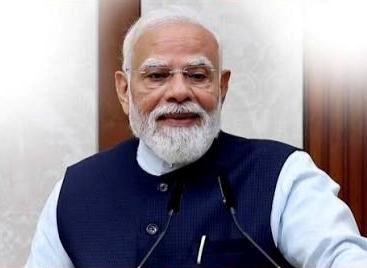
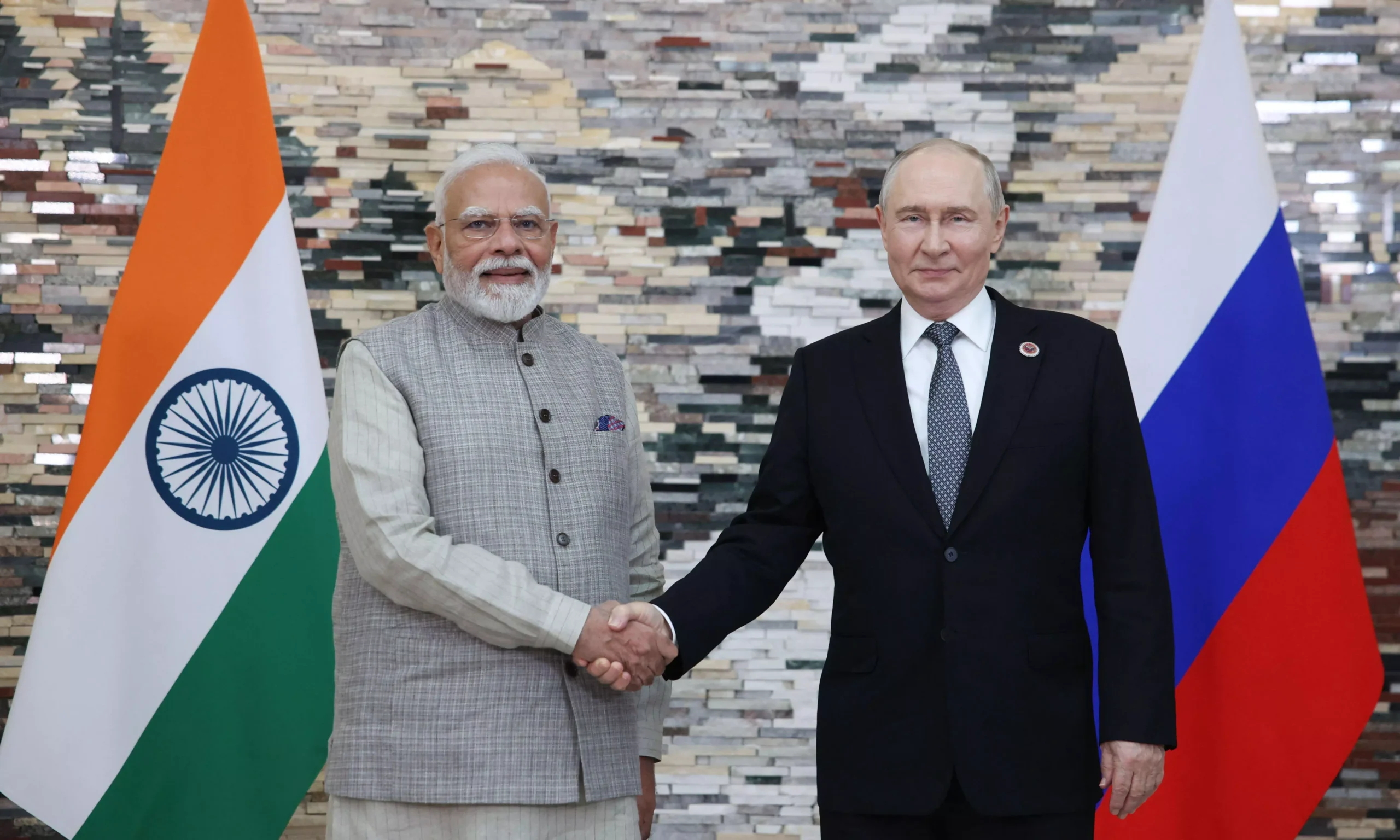
Prime Minister Narendra Modi -Photo Credit -File Photo ( Source-Internet)
In his monthly radio broadcast ‘Mann Ki Baat’, PM Modi noted that in June itself, the country achieved a major success in the aviation sector
India’s journey towards becoming a self-reliant nation continues to gather momentum, with significant achievements spanning defence manufacturing, technological innovation, education, environmental conservation, and cultural preservation. In the latest edition of Mann Ki Baat, Prime Minister Narendra Modi highlighted a series of milestones that, he said, reflect the country’s growing confidence and capability under the vision of Atmanirbhar Bharat.
From the successful maiden flight of the first Made-in-India C-295 military transport aircraft to the successful test of an indigenous Long-Range Land-Attack Cruise Missile (LRLACM), the Prime Minister emphasised that India’s growing technological strength is strengthening both national security and economic development.
A New Era in Indigenous Defence Manufacturing
One of the key highlights of the Prime Minister’s address was the successful maiden flight of the Made-in-India C-295 military transport aircraft. The aircraft represents a major step in India’s effort to build a robust domestic defence manufacturing ecosystem.
The Indian Air Force has ordered 56 C-295 transport aircraft, with 40 to be manufactured in India through a partnership between Tata Advanced Systems Limited and Airbus at their production facility in Vadodara. The project not only reduces dependence on imports but also strengthens India’s aerospace manufacturing capabilities.
Beyond defence preparedness, the programme is expected to generate thousands of skilled jobs, encourage technology transfer, and create opportunities for Indian suppliers, engineers, and manufacturing enterprises.
Strengthening Security Through Indigenous Innovation
The Prime Minister also celebrated the successful flight-test of the indigenous Long-Range Land-Attack Cruise Missile developed by the Defence Research and Development Organisation (DRDO).
Designed with advanced technologies and developed entirely with indigenous expertise, the missile demonstrates India’s increasing ability to produce sophisticated defence systems. Every major subsystem has been developed by DRDO laboratories in collaboration with Indian industries, showcasing the growing synergy between government research institutions and the private sector.
“From the seas to the skies, India is becoming increasingly secure and self-reliant,” the Prime Minister remarked, underscoring the strategic significance of indigenous defence production.
Indigenous Naval Strength Expands
Highlighting India’s expanding naval capabilities, the Prime Minister referred to the recent induction of INS Dunagiri, INS Shanshak, and INS Agrya into the Indian Navy.
He noted that the design, engineering, and construction of these vessels were carried out domestically, reinforcing India’s commitment to developing a strong indigenous shipbuilding industry. The achievement reflects the country’s increasing competence in designing complex naval platforms while boosting employment and technological innovation.
Citizens’ Participation in Nation Building
The Prime Minister expressed gratitude to citizens for responding positively to his earlier appeals made during the West Asia crisis.
He acknowledged the public’s cooperation in reducing unnecessary gold purchases, limiting foreign travel, and adopting carpooling practices. According to him, these collective efforts demonstrated that national progress depends not only on government policies but also on active public participation during challenging times.
Such responses, he observed, reflect the spirit of responsible citizenship and shared national responsibility.
Promoting Sustainable Agriculture
Turning his attention to agriculture, the Prime Minister reiterated the importance of chemical-free farming and sustainable agricultural practices.
He encouraged farmers to preserve soil health, reduce excessive dependence on chemical fertilisers, and increase the use of natural alternatives. Sustainable farming, he noted, protects the environment while ensuring long-term agricultural productivity and healthier food systems.
The appeal aligns with India’s broader efforts to promote natural farming, conserve biodiversity, and improve rural livelihoods.
Artificial Intelligence Meets Ancient Knowledge
One of the most forward-looking announcements in the address concerned education.
The Prime Minister highlighted the launch of a Bachelor of Technology (B.Tech.) programme in Artificial Intelligence and Data Science by the Central Sanskrit University in Delhi. The initiative seeks to combine India’s traditional knowledge systems with cutting-edge technologies.
Rather than viewing ancient wisdom and modern science as separate domains, the programme reflects an integrated educational approach where innovation is rooted in cultural heritage.
The initiative also prepares students for emerging careers while preserving India’s rich intellectual traditions.
Indian Culture Finds Global Admirers
The address also showcased India’s growing cultural influence beyond its borders.
The Prime Minister shared the inspiring story of ‘Brahmakamal Dominicana,’ a group formed by Spanish-speaking residents of the Dominican Republic. Despite the small Indian community in the country, local enthusiasts have begun studying Vedic literature and learning Vedic mantras through audio recordings.
The example illustrates how Indian philosophy, spirituality, and cultural traditions continue to inspire people worldwide, transcending geographical and linguistic boundaries.
Changing Perceptions Through Conservation
The Prime Minister also narrated the remarkable conservation journey of the Hargila bird in Assam.
Once regarded as an inauspicious bird, Hargila populations declined due to habitat destruction and social misconceptions. Biologist Purnima Devi Barman initiated a community-led awareness campaign, particularly involving women, to educate people about the bird’s ecological importance.
Gradually, local communities transformed their attitudes. Villages that once drove the bird away now celebrate it as part of their cultural identity. The campaign has become an internationally recognised example of community-based wildlife conservation.
Encouraging Young Sporting Talent
Recognising the growing enthusiasm for sports among Indian youth, the Prime Minister highlighted the ‘Nagaland Baby League’ football initiative.
The league provides boys and girls aged between five and twelve an opportunity to participate in organised football competitions from an early age. Such programmes nurture physical fitness, discipline, teamwork, and confidence while identifying future sporting talent.
The initiative reflects India’s increasing emphasis on grassroots sports development.
Preserving Nature’s Living Wonders
The Prime Minister concluded by drawing attention to Meghalaya’s iconic living root bridges.
India has proposed these remarkable bio-engineered structures for inclusion in UNESCO’s World Heritage Site Network. Created over generations by local communities, the bridges represent a unique blend of traditional knowledge and environmental sustainability.
Despite growing challenges posed by climate change, local residents continue to protect more than 120 living root bridges through regular inspections, conservation efforts, and nursery development. Their dedication demonstrates how community participation remains essential for preserving natural heritage.
Building an India That Leads by Innovation
The themes highlighted in the Prime Minister’s address reveal a common vision: a nation that combines technological advancement with cultural values, economic growth with environmental responsibility, and indigenous innovation with global engagement.
Whether through advanced defence manufacturing, Artificial Intelligence, sustainable agriculture, wildlife conservation, or grassroots sports, the focus remains on building a confident and self-reliant India.
As the country advances on the path of Atmanirbhar Bharat, these initiatives illustrate that self-reliance is not limited to manufacturing alone. It is equally about empowering citizens, nurturing talent, preserving heritage, embracing innovation, and creating opportunities that strengthen India’s position on the global stage.
Prime Minister Narendra Modi also highlighted the inspiring efforts of a group of women from Biaora in Rajgarh district of Madhya Pradesh, who have taken the lead in tackling plastic pollution in their town.
Rather than waiting for others to take action, these women began collecting plastic waste and discarded bottles from across the town. Over time, their initiative gained momentum, and the collected plastic was converted into eco-bricks.
“Today, these eco-bricks are being used to beautify public spaces. Over the past few months, hundreds of kilograms of plastic have been recycled and put to productive use in Rajgarh. In other words, the plastic that once polluted the town is now enhancing its beauty, thanks to the dedication and hard work of these women,” the Prime Minister said.
Referring to the Ganesh Chaturthi festival, which will be celebrated in September, Modi said that many people had written to him requesting that he speak about Ganesh Utsav, even though the festival is still some time away.