Kumar Bahukhandi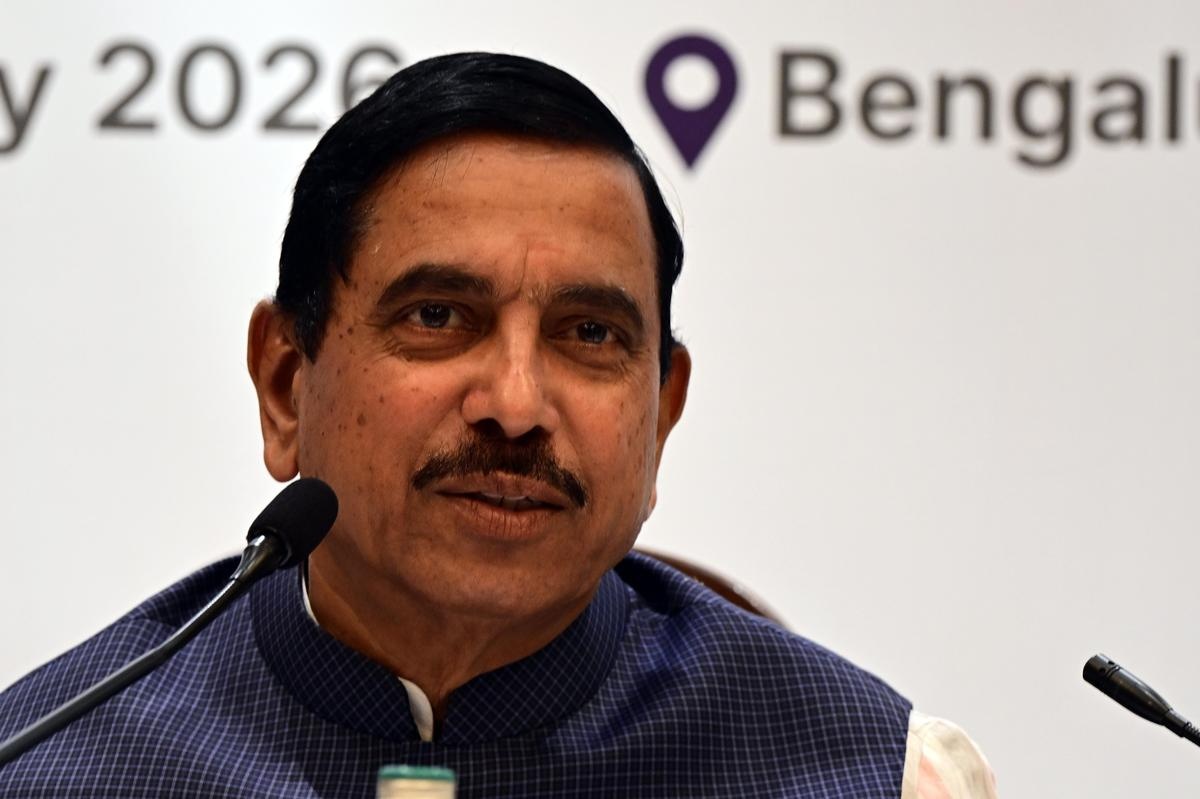
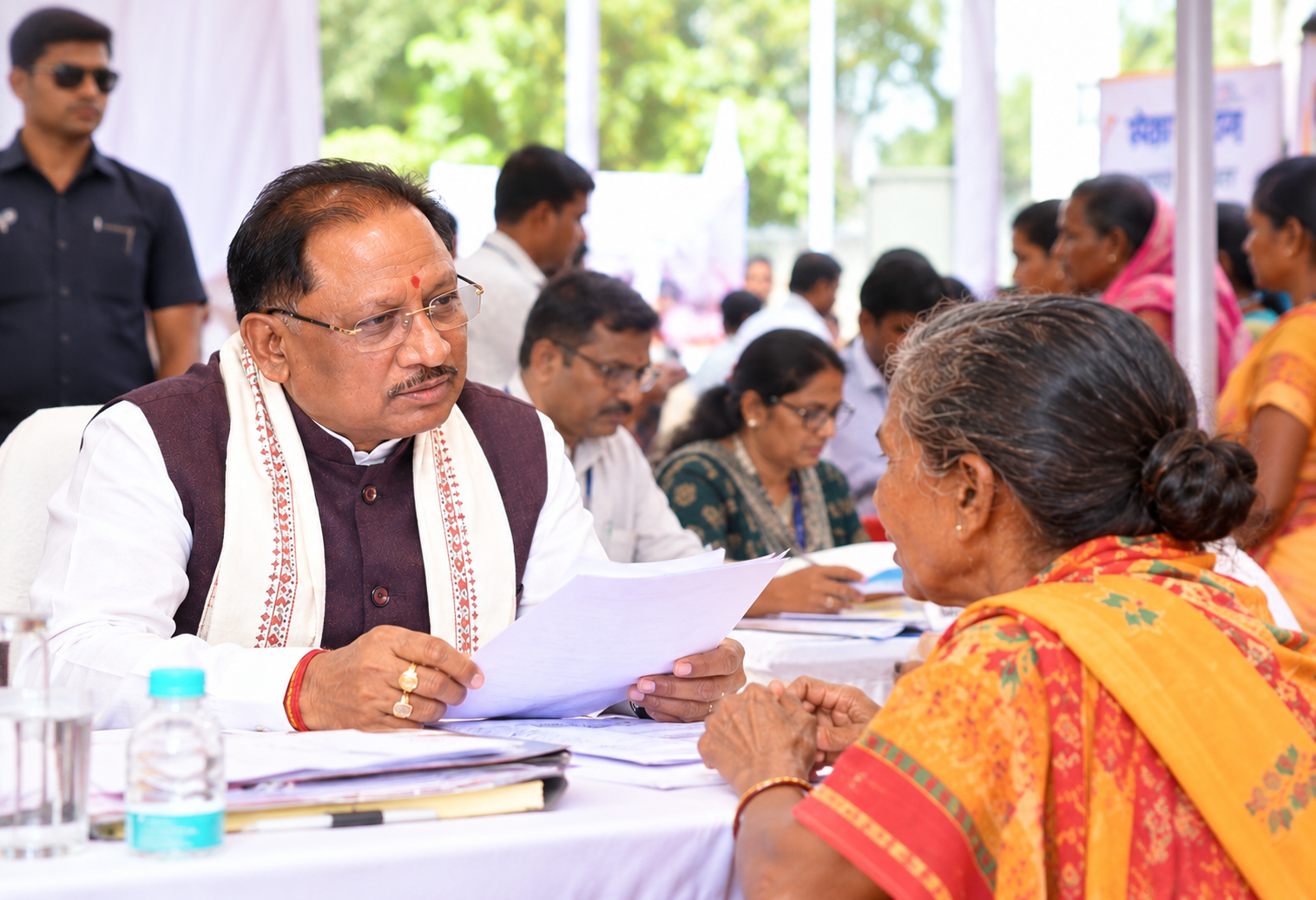
Union Minister Pralhad Joshi assumes one of the government’s most challenging responsibilities as he takes charge of the Education Ministry at a time when restoring confidence in India’s examination system has become a national priority-Photo Credit-channel24india.com
The appointment of Pralhad Joshi as the new Union Education Minister marks more than a routine change in the Union Cabinet. It comes at a time when India’s education system is under unprecedented scrutiny following the NEET paper leak controversy. The real question is not who Pralhad Joshi is, but whether his administrative experience can help restore confidence in the country’s examination system.
A senior Cabinet minister and six-time MP from Dharwad, Karnataka, Pralhad Joshi has handled diverse ministries including Parliamentary Affairs, Consumer Affairs, Food & Public Distribution, and New & Renewable Energy. Across these assignments, he has built a reputation as a steady administrator with experience in managing large public systems and implementing government programmes.
Why His Appointment Matters
Pralhad Joshi inherits a ministry under intense public scrutiny. His success will not be measured by the number of schemes announced but by whether students once again believe that merit—not malpractice—determines their future. Restoring that confidence may prove to be his most important assignment in public life.
With the resignation of Dharmendra Pradhan amid the NEET paper leak controversy, Prime Minister Narendra Modi has entrusted Pralhad Joshi with the additional charge of the Ministry of Education. While the political transition has already made headlines, the more important question now is: Who is Pralhad Joshi, and what does his appointment mean for India’s education sector?
Unlike many ministers who have built their careers primarily around education policy, Pralhad Joshi is known as an administrator, consensus builder, and experienced parliamentarian. A six-time Member of Parliament from Dharwad, Karnataka, Joshi has earned a reputation for organisational discipline and his ability to handle ministries requiring extensive coordination between the Centre and the States.
A Leader Known for Delivery Rather Than Headlines
During his tenure in various ministries, Joshi has generally maintained a low public profile while focusing on implementation.
As Minister for Consumer Affairs, Food and Public Distribution, he supervised one of the world’s largest food security systems, ensuring the distribution of food grains to millions of beneficiaries under the National Food Security framework.
In the New and Renewable Energy Ministry, he has overseen policies supporting India’s clean energy transition, including solar power expansion, green hydrogen initiatives, and renewable energy investments.
Earlier, as Minister of Parliamentary Affairs, he played a key role in coordinating legislative business and building political consensus inside Parliament.
These assignments have shaped him into a minister known for managing complex administrative systems rather than pursuing headline-driven politics.
The Education Ministry Is a Different Challenge
However, education presents an entirely different test.
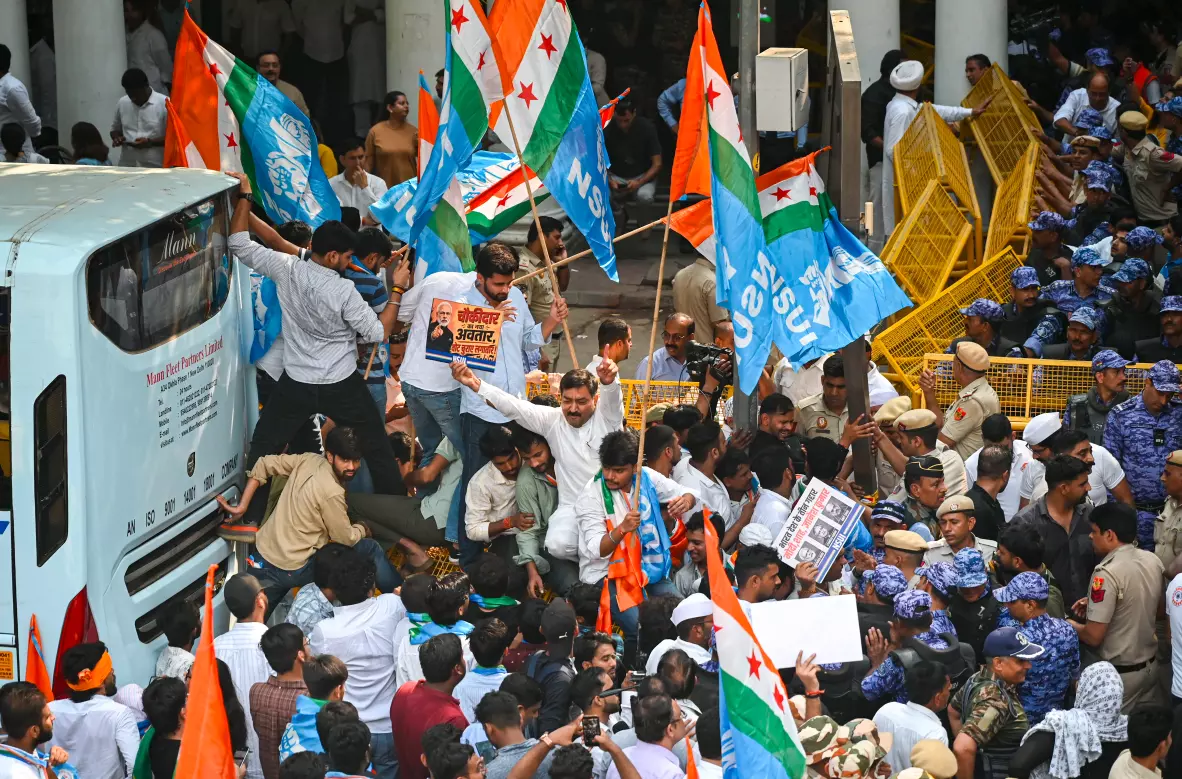
The ministry is currently facing one of its most serious credibility crises in recent years following the NEET paper leak controversy and growing public concern over the integrity of competitive examinations.
The challenge before Joshi extends beyond managing routine administration. His foremost responsibility will be to restore confidence among millions of students and parents who expect examinations to be fair, transparent, and secure.
Immediate Priorities
Several critical tasks await the new Education Minister:
- Overseeing implementation of the proposed Public Examinations (Prevention of Unfair Means) Amendment Bill, 2026.
- Strengthening security protocols for national entrance and recruitment examinations.
- Improving coordination between the National Testing Agency (NTA), state governments, law enforcement agencies, and examination bodies.
- Continuing the implementation of the National Education Policy (NEP) 2020 without disrupting ongoing reforms.
- Rebuilding public trust in India’s examination system through transparency and accountability.
Expectations Are High
Unlike previous assignments involving infrastructure, energy, or food distribution, the Education Ministry directly affects the aspirations of millions of young Indians every year.
Every examination conducted under its watch has the potential to shape careers and futures. Consequently, even a single lapse attracts nationwide scrutiny.
For Pralhad Joshi, success will not be measured merely by policy announcements but by whether students once again believe that merit—not malpractice—determines success.
My Analysis
Pralhad Joshi enters the Education Ministry at a defining moment. His administrative experience is extensive, but the challenge before him is less about managing files and more about rebuilding public confidence.
If he succeeds in strengthening examination security, implementing swift legal reforms, and ensuring greater transparency, his tenure could become known for institutional reform rather than crisis management.
The coming months will determine whether this change in leadership marks merely a political transition—or the beginning of a more credible and accountable education system.