Kumar Bahukhandi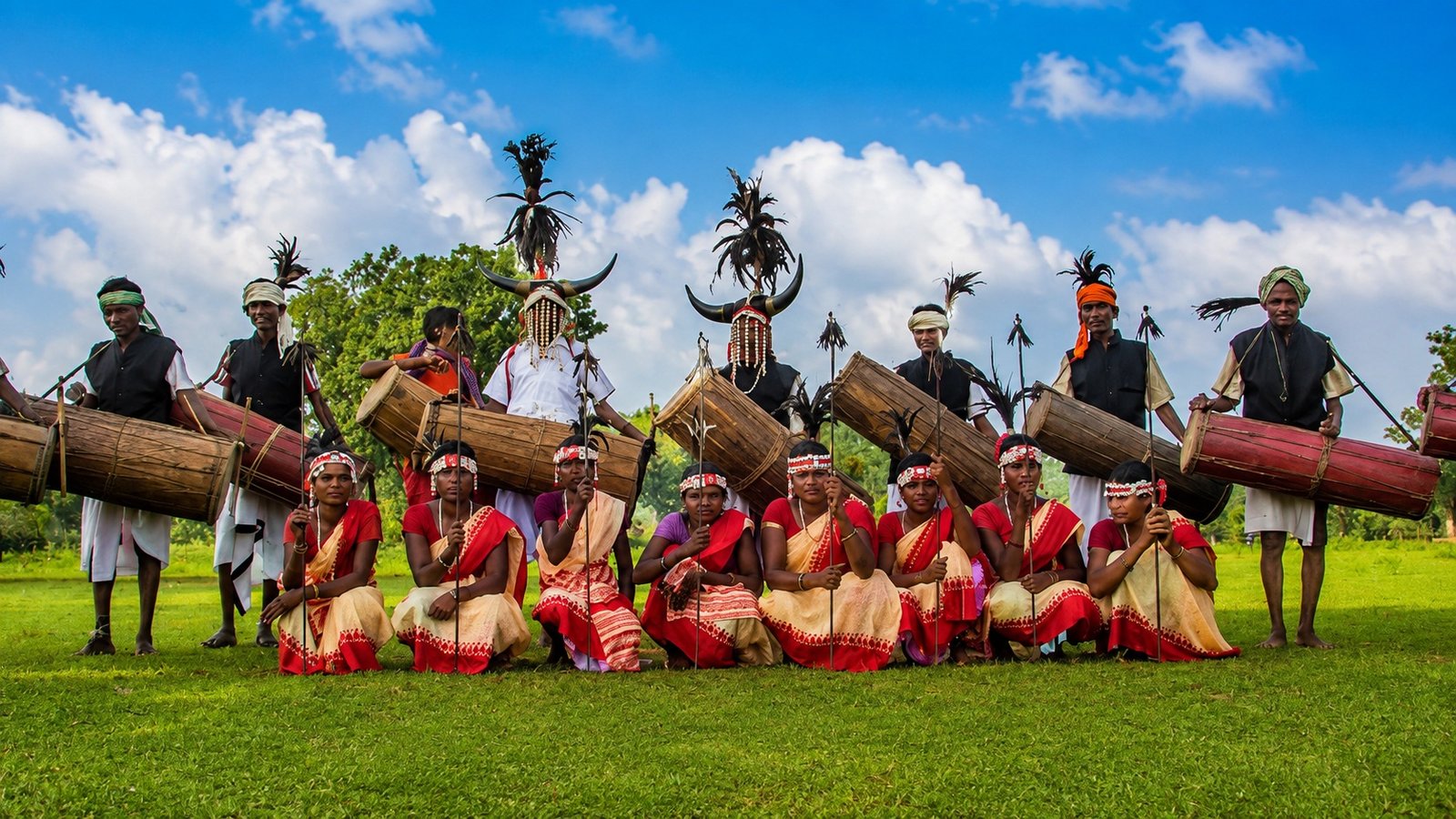
A traditional cultural performance reflects Chhattisgarh’s rich folk heritage. The State is developing an Art Repository to introduce students from Classes 6 to 12 to local art, music, dance, festivals, personalities, crafts and traditions. (Photo: Representational/Incredible India)
SCERT initiative will develop learning material on around 100 themes spanning folk traditions, personalities, monuments, festivals, crafts, music, dance and cuisine
Key Highlights
- Students from Classes 6 to 12 will get supplementary learning material on Chhattisgarh’s art, culture, traditions and folk life.
- Around 100 themes are being developed with the participation of writers, researchers, cultural experts and communication specialists.
- The project will cover personalities ranging from Guru Ghasidas and Shaheed Veer Narayan Singh to Teejan Bai and Vinod Kumar Shukla.
- Bastar Dussehra, Hareli, Raut Nacha, Panthi, Pandavani, Dokra craft, tribal traditions and traditional cuisine are among the subjects proposed.
- Short 5–10 minute films are also planned, taking cultural learning beyond conventional textbook material.
Raipur: School students in Chhattisgarh could soon encounter the State’s cultural heritage not merely at festivals and museums but as part of their learning material, with a major exercise underway to document local art, history, traditions and folk life for students from Classes 6 to 12.
The State Council of Educational Research and Training (SCERT) has begun a three-day residential workshop at Shankar Nagar in Raipur from August 24 to 26 to develop an Art Repository devoted to Chhattisgarh’s cultural heritage.
The exercise brings together writers, subject specialists, cultural scholars, researchers and communication experts to develop material on approximately 100 subjects.
The initiative is particularly significant because it attempts to connect formal education with the cultural environment in which children actually grow up — from the festivals celebrated in their villages and towns to the music, crafts, food, historical personalities and traditions associated with different regions of Chhattisgarh.
From Bastar Dussehra to Pandavani — Culture as Learning Material
The proposed repository has a notably wide canvas.
Personalities and historical-cultural figures proposed for inclusion include Guru Ghasidas, Gahira Guru, Raja Chakradhar Singh, Teejan Bai, Vinod Kumar Shukla, Suruj Bai Khande, Madhavrao Sapre, Mini Mata, Padumlal Punnalal Bakshi, Mukutdhar Pandey, Pandit Sundarlal Sharma, Shaheed Veer Narayan Singh and Gundadhur, among others.
Architectural and religious heritage will include places such as Mata Kaushalya Temple, Sirpur, Bhoramdeo, Danteshwari Temple, Maa Bamleshwari Temple, Ratanpur’s Mahamaya Temple and Rajiv Lochan Temple at Rajim.
Students are also expected to learn about traditions including Satnam Panth, Kabir Panth, Ramnami tradition, Ghotul and Mitan-Badna, along with major festivals such as Hareli, Bastar Dussehra, Goncha, Gaura-Gauri, Chherchhera, Teeja-Pola, Bhojli and Madai.
These are not peripheral subjects in understanding the State. Government cultural resources themselves describe Panthi, Raut Nacha, Soowa and Pandavani among Chhattisgarh’s important performing traditions, while Bastar Dussehra is distinguished by a celebration extending over roughly 75 days.
Traditional Bastar Dokra metalwork, one of the indigenous art forms proposed for inclusion in Chhattisgarh’s educational Art Repository for school students. (Photo: Incredible India)
Traditional crafts will receive substantial attention as well. Dokra art, terracotta, bamboo craft, wrought-iron work, Godna and traditional wall painting are among the forms proposed for the repository. Official cultural documentation also identifies Dokra, terracotta, bamboo and wrought-iron crafts as important elements of Chhattisgarh’s artistic heritage.
Music and performance will range from Kabir singing, Suwa, Panthi, Dadariya, Bharathari and Chandaini songs to traditional instruments such as the mandar, mohri, dhol, flute, sarangi and timki.
Folk dance and theatre will similarly encompass Panthi, Raut Nacha, Gedi, Kaksad, Gaur, Saila, Suwa, Sarhul, Nacha and Pandavani.
Importantly, the project does not stop with monuments and performing arts. Chhattisgarh’s culinary heritage — including thethri, khurmi, fara-muthia, angakar roti, chausela, bafauri, chapda chutney and madia pej — is also proposed as educational material.
The initiative therefore offers students something conventional textbooks sometimes struggle to provide: an understanding that culture includes everyday life, not merely famous monuments and historical dates.
The workshop is also developing scripts for five-to-ten-minute short films on individual subjects. This could make the repository particularly useful for a generation accustomed to learning through a combination of text, photographs and video.
On August 25, participants are scheduled to revise and refine the material and prepare final drafts and film scripts. The concluding day, August 26, is expected to focus on presentation, final editing and approval of the short-film scripts.
If executed with scholarly accuracy and appropriate classroom presentation, the initiative could help bridge an important gap between education and cultural memory. Children in Bastar, Surguja, Raipur or Bilaspur would not simply be studying a generic idea of Indian culture; they would also encounter the traditions, personalities and artistic expressions rooted in their own State.
For Chhattisgarh, that may ultimately be the repository’s most valuable contribution — turning local heritage from something children occasionally witness into something they can systematically understand.