Kumar Bahukhandi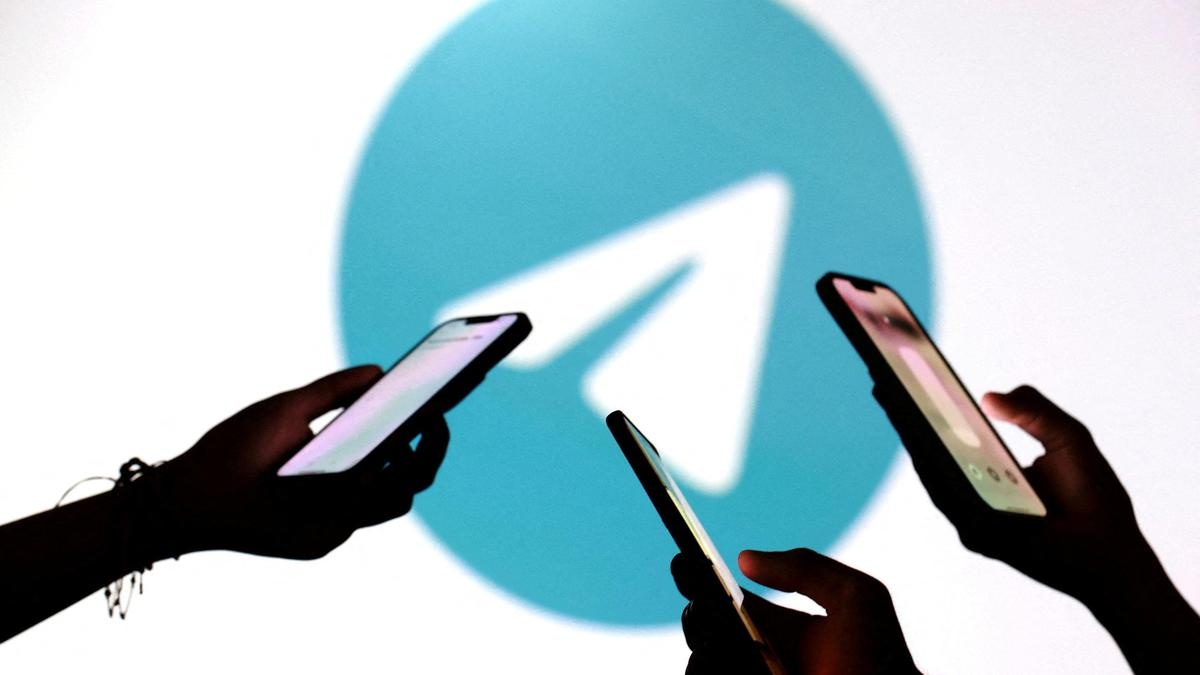
Representational Image – File- Photo Credit: Reuters
“In Telegram, one account can create 40 bots. In WhatsApp, it’s one bot per user,” the government submission said; submits list of action taken against the platform by other countries
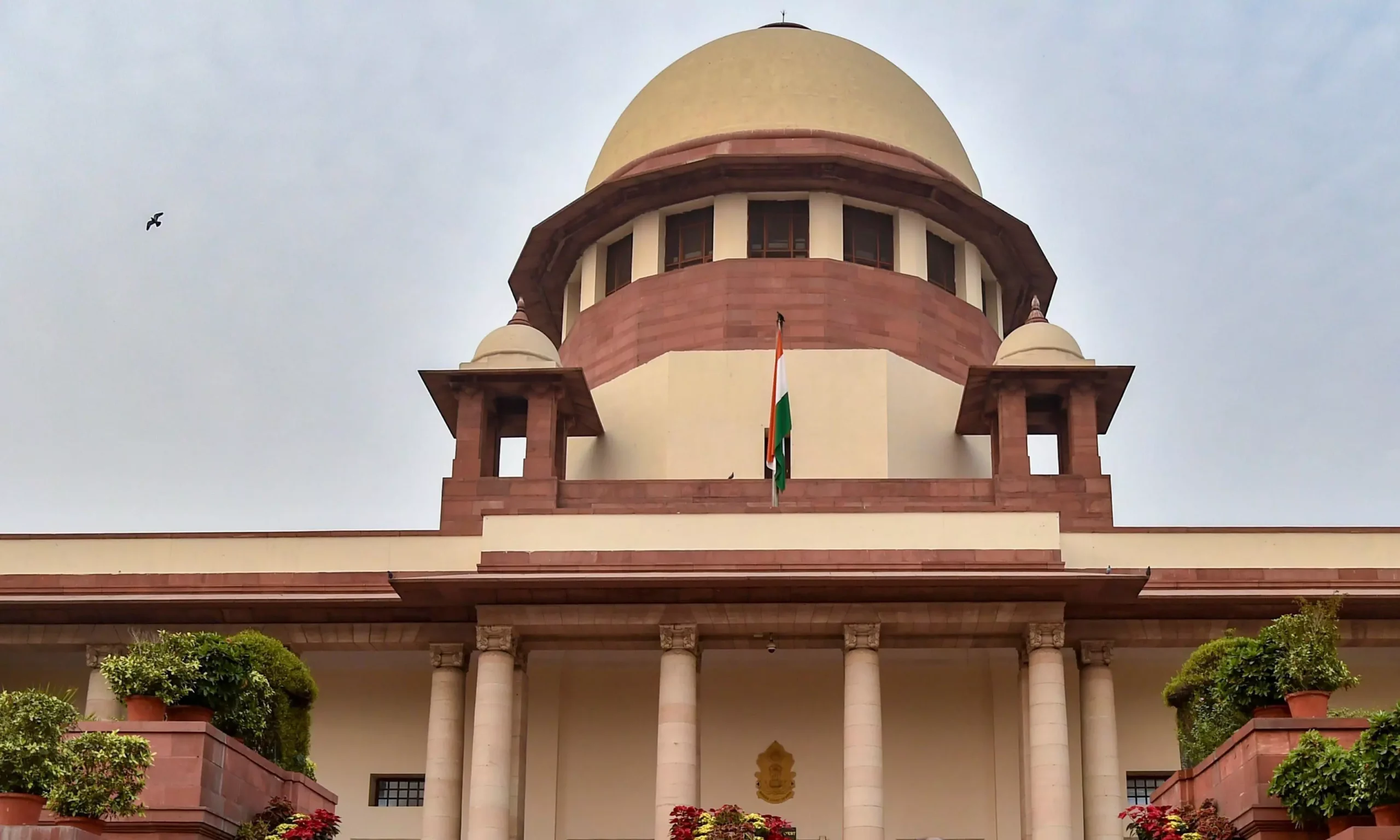
The Centre has been repeatedly asking Telegram messaging app to take proactive measures to keep a check on illegal and suspicious channels, Solicitor General of India Tushar Mehta submitted in the Delhi High Court on Thursday June 18, 2026, adding that “nothing was done” about the matter.
The hearing comes a day after the High Court issued notice to the Union government on a petition filed by the platform against the Centre’s decision to suspend access to its services in India until June 22, citing concerns linked to the conduct of the NEET-UG re-examination.
Citing “architectural flaws”, Mehta justified the requirement of a temporary ban on Telegram ahead of the June 21 re-examination. “The exam will be taken by over 22 lakh students and even their families are attached to them. If our assumptions turn true then there can be a law and order situation.”
Mehta, appearing for the Centre, said most channels on the platform are bots. “In Telegram, one account can create 40 bots. In WhatsApp it’s one bot per user,” he said, citing a Indian Cybercrime Coordination Centre (I4C) report. The report says that Telegram’s platform is not competent enough to deal with the something like current situation, unlike other similar messaging apps, the government submission noted.
He noted that the platform operates through the cloud infrastructure. “Those who commit crime cannot be tracked”.
“Telegram has faced actions of terror activities by other countries. Other countries have also take action on the platform due to its usage which objectionable,” he said, adding that the government has submitted a list of action taken against Telegram by other countries.
The entire population of a channel, around a lakh, can be moved to another channel in seconds. This is uniquely to Telegram and poses a serious risk,” Mehta added.
Can you block users’ rights to safeguard someone else’s right, Court asks
During the hearing, the Court questioned the government’s submission, asking whether rights of those using the app can be curtailed “because some people are misusing it”.
“Can you block someone else’s rights to safeguard someone else’s right?,” it asked
To this, Mehta said: “When internet is banned in a State or in some part of the State, there is just 10% people who are miscreants and the rest are the general public.”
Further, he contended that because of Telegram’s feature which allows editing of date and time, the app can be misused. “In 2024, this has happened. The question paper was posted after exam was conducted, but they edited date to previous day of exam and then students were protesting on roads alleging that the paper was leaked.”
R. Venkatramani, Attorney General of India, spoke for the government and maintained that there is full application of mind before blocking the app and that there is a “law and order situation” looming large over the authorities. “If our country cannot take preventive action, where will we go?”
The matter stems from the Centre’s temporary suspension of Telegram amid concerns that organised cheating networks involved in the NEET-UG controversy were using the messaging app to circulate leaked or fabricated question papers and coordinate fraudulent activities.
The restrictions were issued by the Ministry of Electronics and Information Technology under Section 69A of the Information Technology Act and will remain in force until June 22. A separate direction also requires Telegram to disable the editing of previously sent messages until June 30.