Kumar Bahukhandi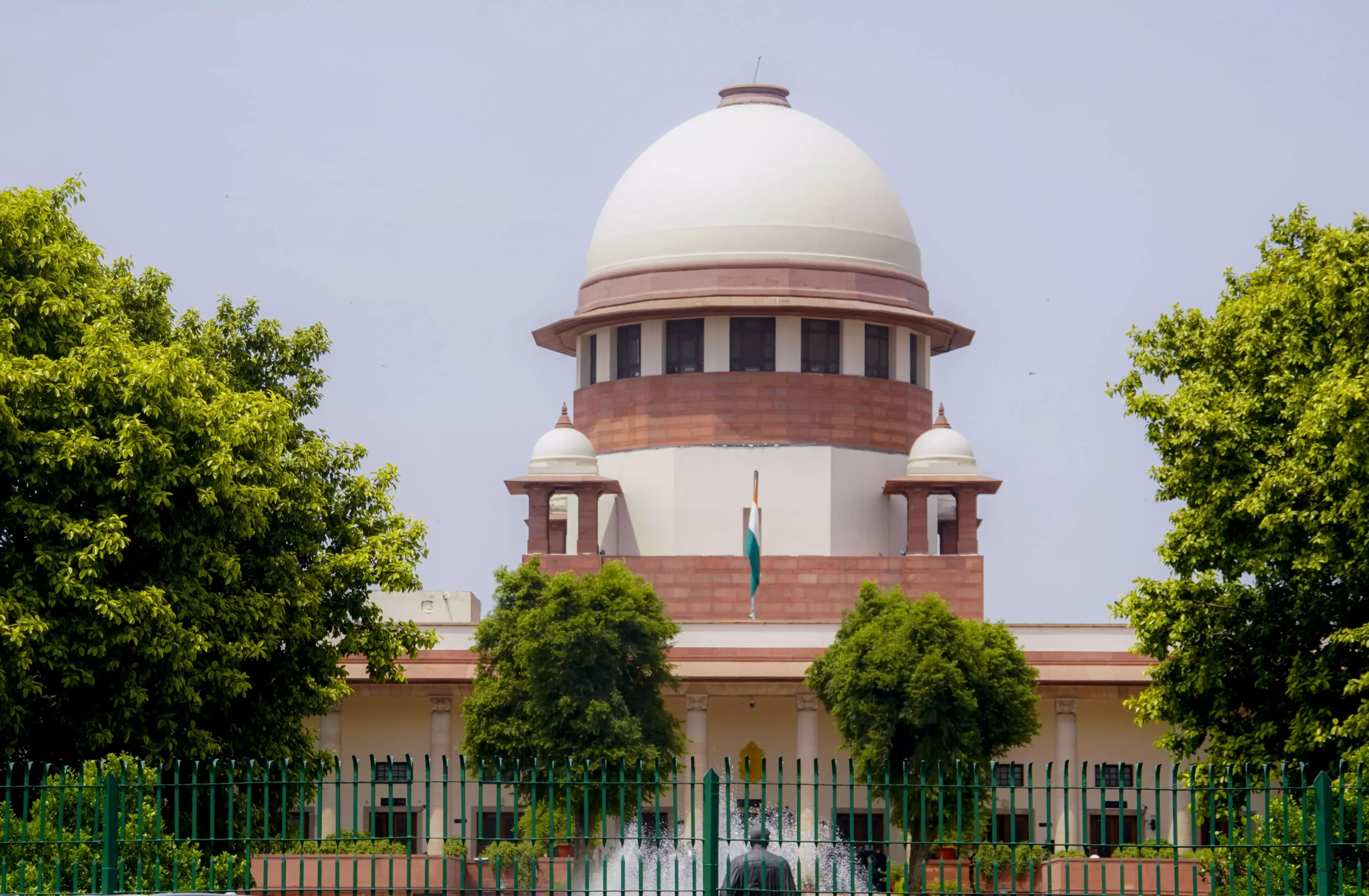
The court was directed the Tamil Nadu government to file a reply to its question – i.e., where is it getting the money to fund its promise of free electricity.
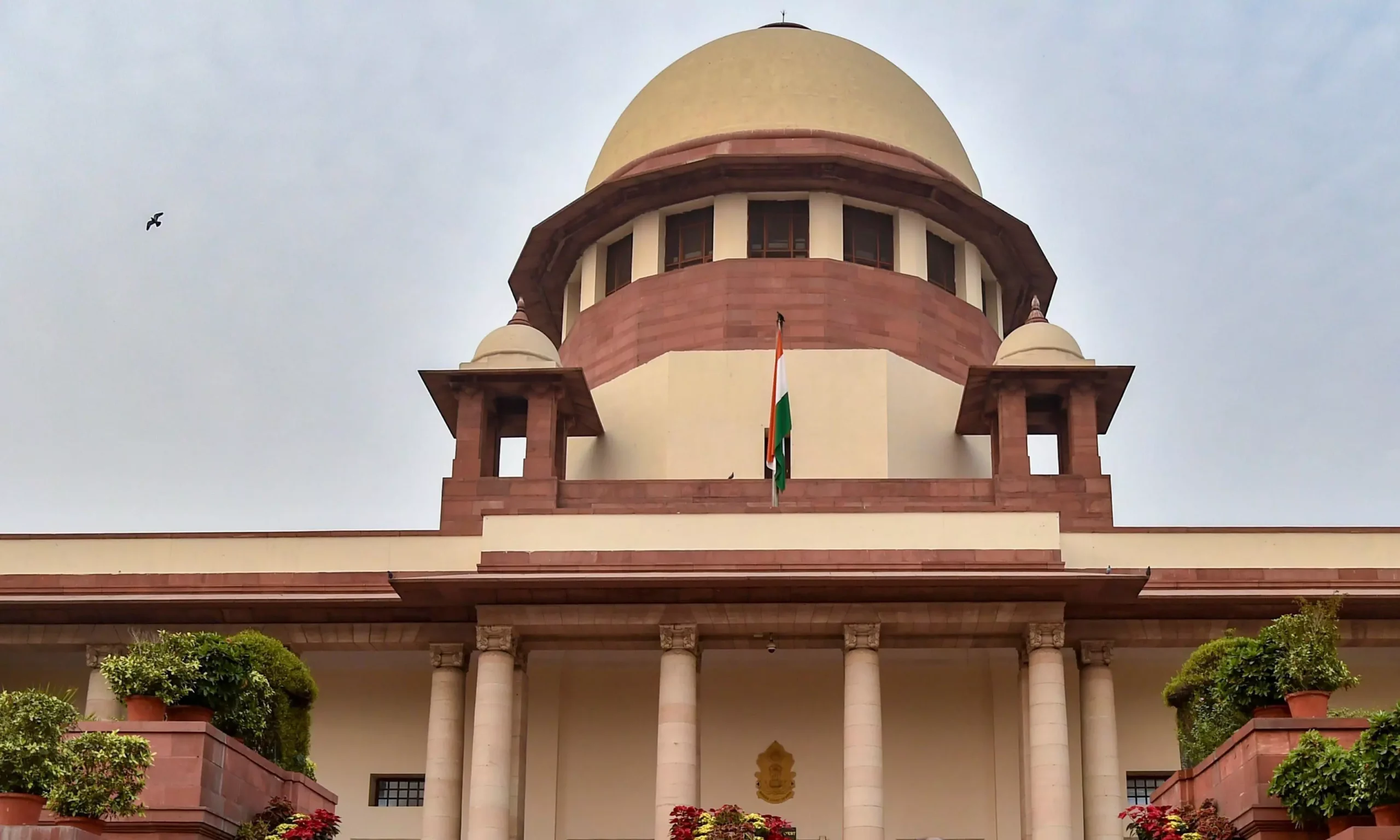
New Delhi: The Supreme Court came down hard Thursday February 19, 2026 morning on state governments’ practice of pre-election handouts, or ‘freebies’. In a series of strong statements the court demanded to know how states planned to fund actual development if they continued offering free food and free electricity.
A proposal from poll-bound Tamil Nadu’s government – to provide free electricity to its customers, irrespective of financial status – was the trigger for scathing remarks on states spending crores on subsidies while running into budgetary deficits and complaining about a lack of money for development.
The indiscriminate distribution of ‘freebies’, particularly for those could afford to pay for utilities and services, the court warned, had created a culture that seems to reward not working.
The court also asked the state government to explain why this scheme had been announced “at the last minute”, leaving power distribution companies scrambling to adjust tariffs and budget calculations.
“What kind of culture are we developing pan-India?” Chief Justice Surya Kant said, “If you start giving free food from the morning… then a free cycle… then free electricity… and now we are reaching a stage where we transfer cash into people’s account directly…imagine.”
“It is understandable to provide, as part of a welfare system, for those who cannot pay. But if you distribute without distinction between those who can afford and those who can’t…”
“There are children who cannot afford education. Then the state must provide… it is the state’s duty. But those who are affluent (but still) any kind of freebie first comes to their pocket. Is it not high time for states to revisit these policy frameworks?” the Chief Justice asked.
‘Even if you are revenue surplus…’
At least a quarter of each state’s revenue must be used for development work, he said.
“Sometimes we are really disturbed. Even if you are a revenue surplus state… is it not your obligation to spend for development for the overall public – to develop infrastructure, hospitals, schools, and colleges? Instead, you keep on distributing things at the time of election.”
“Not a single penny is left,” the court told the Tamil Nadu government, “for development because of such policies by state governments. It is the problem of all states, not just yours.”
Justice Joymalya Baghchi, also on the bench, made a point about planned and unplanned expenditure, and suggested states wishing to distribute ‘freebies’ “put it in your budgetary allocation and justify how you will do so (spend the money)”.
‘Freebies splurge important to examine’
In January too Chief Justice Surya Kant had highlighted splurging on freebies an “important matter to examine” amid concerns these could create unsustainable fiscal burdens for future generations.
“Free medical aid, free education, public welfare measures, that is fine. But largesse in such things, rather than spending on welfare schemes, is an issue to be examined,” he had said.
‘A class of parasites’
Over the past few years the court consistently questioned ‘freebies’, arguing in February 2025 that it made people unwilling to work and could lead to a “class of parasites” being created in the country.
Pulling no punches, Justice BR Gavai (who retired as Chief Justice in November last year) referred to the ‘ladki bahin’ scheme in Maharashtra – under which women between 21 and 65, and with an annual family income less than Rs 2.5 lakh, were given Rs 1,500 per month – and said, “…because of these freebies, which just on the anvil of elections are declared… people are not willing to work…”
The ‘freebies’ political row
‘Freebies’ became a political issue after Prime Minister Narendra Modi attacked opposition parties like the Congress and Arvind Kejriwal’s Aam Aadmi Party, accusing them of trying to buy votes with ‘revdis’.
Opposition parties counter-attacked by poitning to the BJP-led government’s track record on inflation and jobs, arguing there is nothing wrong with spending taxpayer money to make people’s lives easier.
What is this case about?
The court was hearing a writ petition filed by the Tamil Nadu government seeking to quash Rule 23 of the Electricity Amendment Rules of 2024, on grounds it is “arbitrary, unreasonable, unworkable unconstitutional(ly), illegal, violative of Article 14, and against the provisions of the Electricity Act, 2003”.
Rule 23 governs the gap between approved Annual Revenue Requirement and estimated annual revenue from approved tariffs. The court noted that had these subsidies been announced in advance, they could have been factored into distribution companies’ financial projections.
Sudden policy decisions, the court said, create arbitrariness and disrupt regulatory processes.
The court finally directed the Tamil Nadu government to file a reply to its question – i.e., where is it getting the money to fund its promise of free electricity. Notice was also issued to the centre.