Kumar Bahukhandi
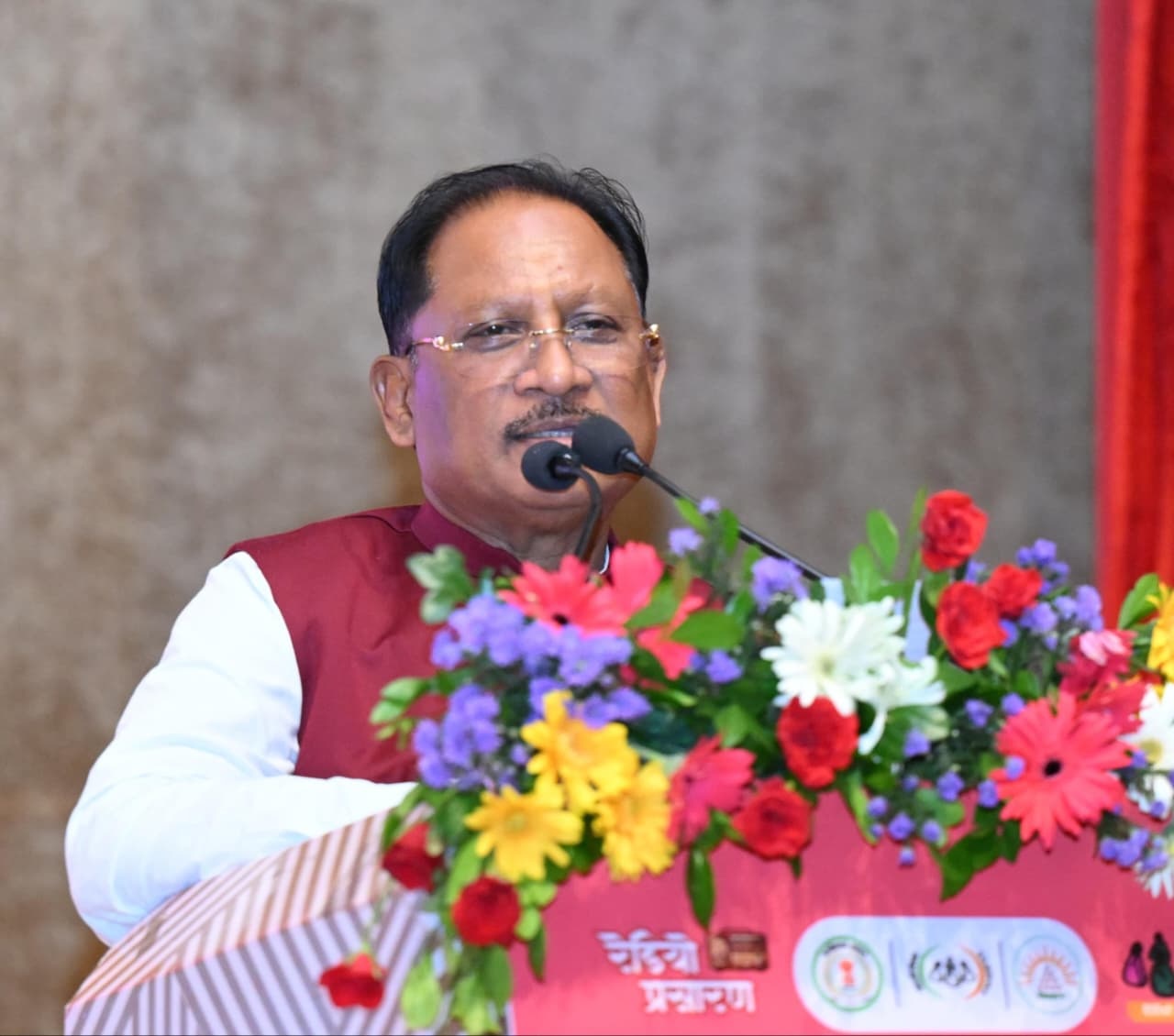
Dr. Salim Raj, Chairman of the Chhattisgarh State Waqf Board, says digitisation of Waqf properties will strengthen transparency, improve governance and support lawful action in cases of verified encroachment-Photo credit -Social Media
In Short
- Digital verification of Waqf properties underway across Chhattisgarh.
- Technology to improve transparency and record management.
- Complaints of encroachment being examined case by case.
- Any eviction or demolition will be carried out only after due legal procedure and competent authority orders.
- Initiative aims to protect community assets and strengthen institutional governance.
State Waqf Board launches technology-driven property verification; Chairman Dr. Salim Raj says encroachers will face action strictly under the law
Raipur: In a significant move aimed at safeguarding religious endowment properties, the Chhattisgarh State Waqf Board has initiated a comprehensive digital mapping and verification drive to create an authentic record of Waqf assets across the state. The exercise is expected to strengthen transparency, improve property management and assist authorities in addressing long-pending cases of illegal occupation.
Chairman Dr. Salim Raj said the Board is moving towards a technology-based system in which every registered Waqf property will be digitally documented, allowing officials to accurately monitor ownership, boundaries and present status. According to him, the initiative will reduce disputes arising from incomplete or outdated records while ensuring that community assets are used only for the purposes for which they were dedicated.
“The objective is not merely digitisation but protection of Waqf properties for future generations. Accurate records are the first step towards transparent administration,” he said.
The Board believes that once the digital inventory is completed, it will become easier to distinguish genuine Waqf properties from disputed or unauthorised claims. Officials involved in the exercise are examining historical records, revenue documents and field reports before finalising entries.
Focus on Encroachments
Alongside the digitisation drive, the Board has intensified scrutiny of properties suspected to be under illegal occupation. Officials say complaints received over the years are being reviewed, and each case will be examined on the basis of documentary evidence.
Dr. Raj made it clear that any action against encroachers would be taken only after following the prescribed legal process. Wherever competent authorities issue eviction or demolition orders, the Board expects local administrations to ensure their implementation in accordance with the law.
He stressed that the campaign is intended to restore public trust in the management of Waqf assets and is not directed against any individual or community.
Technology Meets Governance
Officials say the digital database will help eliminate duplication of records, simplify property audits and enable quicker access to information for both administrators and beneficiaries. It is also expected to improve planning for the maintenance and development of Waqf institutions, including mosques, graveyards, educational facilities and charitable establishments.
The Board views the initiative as a long-term governance reform that combines modern technology with legal accountability. Once completed, the database is expected to serve as a reliable reference for future administrative and judicial proceedings involving Waqf land.