Kumar Bahukhandi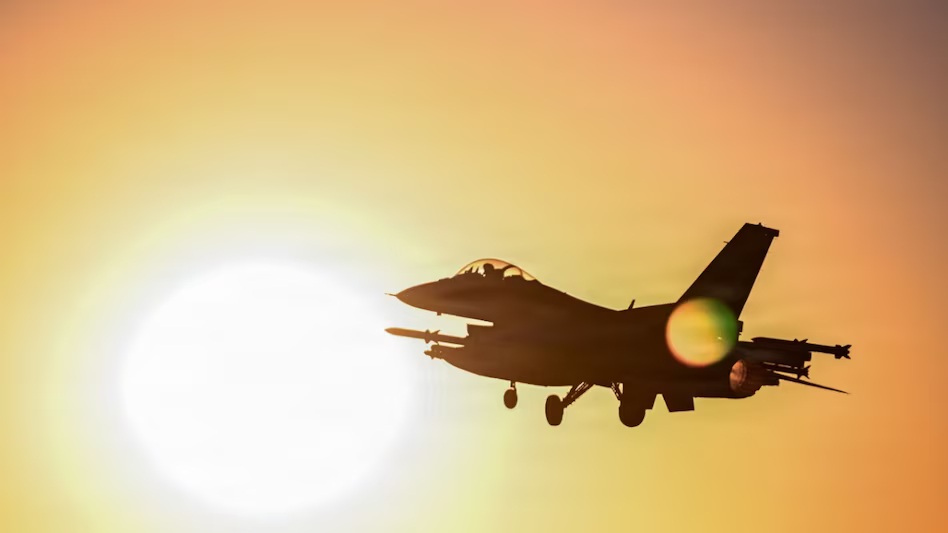
Military tensions continue to cast a shadow over the Middle East as reported explosions in southern Iran renew concerns about regional stability and the risk of a wider conflict-Photo Credit -(Photo: X/@CENTCOM)
Explosions in Iran and high-level political consultations underscore how quickly regional tensions can spiral into a wider conflict
The sound of explosions in Bushehr and Konarak is more than another breaking news headline—it is a reminder that the Middle East continues to live on the edge of uncertainty. Every fresh blast, every military alert and every emergency diplomatic conversation carries consequences that extend far beyond the borders of Iran or Israel.
Reports of explosions in southern Iran, coupled with conflicting accounts regarding Bandar Abbas, illustrate the fog that often surrounds modern conflicts. In an age of instant information, contradictory claims spread almost as quickly as missiles, making verified facts more valuable than ever. Responsible journalism demands patience until official confirmations emerge, even when public curiosity is at its peak.
What makes the latest developments particularly significant is not merely the explosions themselves but the broader geopolitical backdrop against which they occurred.
The reported conversation between former US President Donald Trump and Israeli Prime Minister Benjamin Netanyahu highlights how every escalation in the region immediately attracts international political attention. Whether symbolic or strategic, such engagements reflect growing global concern that localized military incidents could trigger a much larger confrontation.
The Middle East has repeatedly demonstrated that conflicts rarely remain confined. A strike in one country can influence oil markets thousands of kilometres away. A military response can alter shipping routes, disrupt global trade and affect inflation across continents.
The Strait of Hormuz, through which a significant share of the world’s energy supplies passes, remains particularly vulnerable whenever tensions rise around Iran’s southern coastline.
Bushehr’s strategic importance adds another layer of concern. Home to Iran’s operational nuclear power facility, the region occupies a sensitive place in the global security architecture. Even if the reported explosions are ultimately found to have no connection with nuclear infrastructure, their proximity to such strategic assets inevitably raises international anxiety.
For Israel, maintaining national security remains a declared priority amid persistent regional threats. For Iran, repeated security incidents reinforce its narrative of external pressure and the need for military preparedness. Between these competing security doctrines lies a fragile regional balance that can be upset by a single miscalculation.
History has shown that military victories often provide only temporary tactical gains, while diplomatic failures leave lasting scars. The wars of the Middle East have repeatedly demonstrated that retaliation alone rarely delivers lasting peace. Instead, every new confrontation tends to deepen mistrust, fuel further militarisation and push negotiated solutions further out of reach.
The international community therefore faces a familiar but urgent challenge: preventing escalation before events overtake diplomacy. Major powers, regional stakeholders and multilateral institutions must ensure that communication channels remain open even during periods of intense hostility. Crisis management is often most effective before the first irreversible decision is made.
For India, developments in the Middle East carry direct strategic significance. Millions of Indian citizens live and work across the Gulf region, while India’s energy security and maritime trade remain closely linked to stability in West Asia. Any prolonged escalation could have economic and humanitarian implications extending far beyond the battlefield.
The explosions reported in Iran should therefore not be viewed merely as isolated security incidents. They are warning signals from one of the world’s most volatile regions—a reminder that peace remains fragile, deterrence has its limits and diplomacy, however difficult, remains the only sustainable path toward regional stability.
Channel24india.com’s Perspective
The Middle East does not need another cycle of retaliation; it needs stronger diplomacy backed by credible dialogue. Military strength may shape the battlefield, but only political wisdom can secure a lasting peace. In a region where every explosion echoes through global markets and international politics, restraint is no longer a sign of weakness—it is a strategic necessity.